


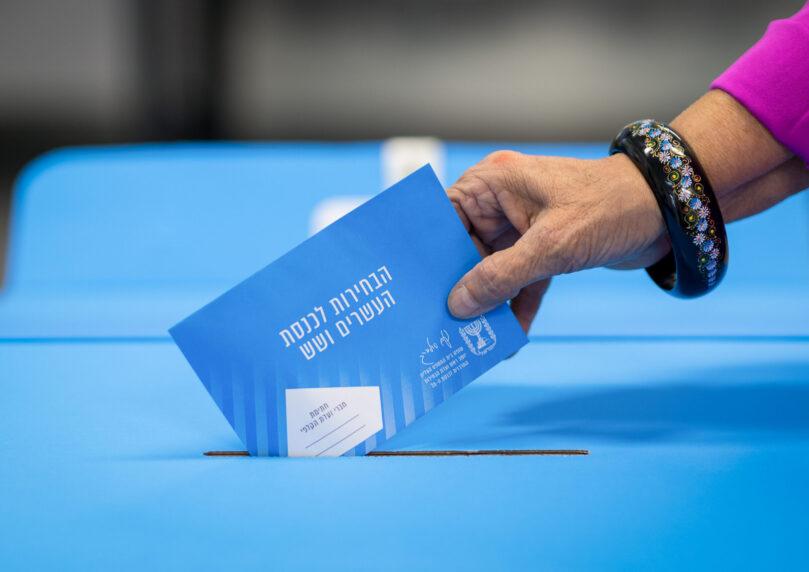

The Central Elections Committee announced a series of guidelines today (Tuesday) aimed at easing congestion at polling stations, following high voter turnout in the elections for the 26th Knesset. The directives, issued by the Committee’s Acting Director-General, Adv. Din Livneh, include changes to the management of queues, the identification of voters, and the handling of ballot envelopes. Amidst reports of irregularities throughout election day, these adjustments raise questions regarding the ability to ensure full oversight and prevent the potential abuse of the procedures.
In its statement, the Central Elections Committee welcomed the exceptionally high voter turnout and the broad public participation in exercising the right to vote. At the same time, the Committee noted that this high level of participation has resulted in overcrowding and queues at some polling locations.
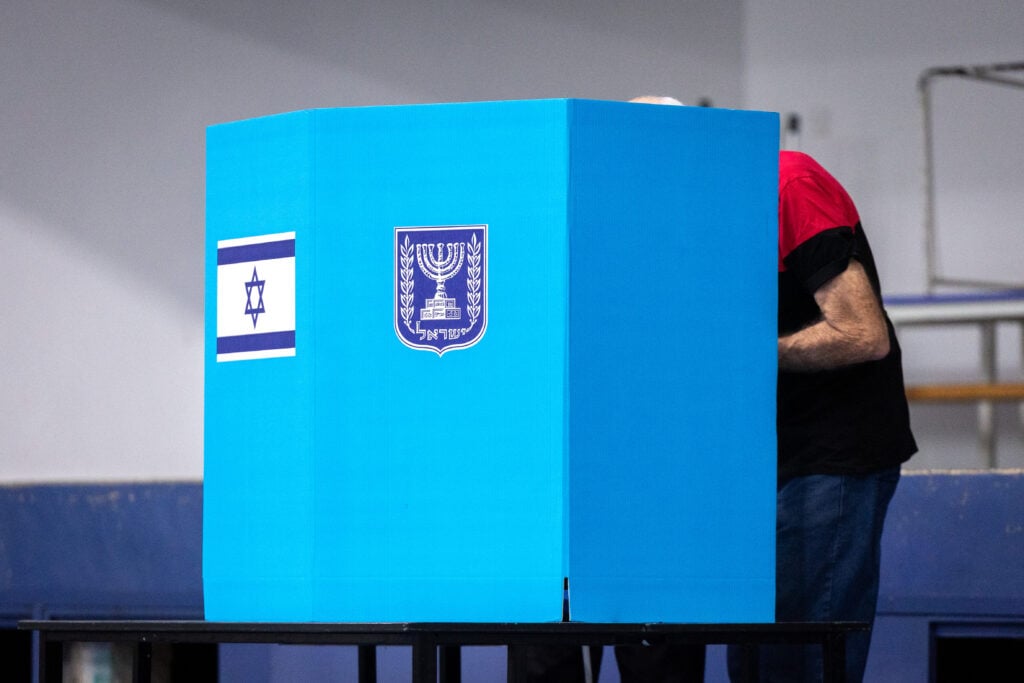
To reduce wait times, polling station staff have been instructed to begin the identification process for the next voter while the previous voter is still behind the privacy screen. According to the guidelines, the next voter may only enter the area behind the privacy screen once the preceding voter has finished casting their ballot.
An additional directive stipulates that when a voter’s identity is clear, no further questioning is required. The Committee clarified that voting is permitted even with an expired identity card, provided that the photograph allows for the identification of the person presenting it.
Furthermore, should a specific inquiry arise regarding a particular voter, one of the polling station secretaries will conduct the check aside, while the other secretary continues to process voters. Through this procedure, the Committee aims to prevent a situation where an inquiry concerning one individual delays the entire queue.
Another part of the guidelines concerns the handling of voting envelopes. The Committee has instructed that polling station operations continue concurrently with the signing of envelopes, ensuring that the processing of voters remains uninterrupted. In cases where an individual is entitled to vote using an external envelope, the required details may be filled in by hand. Additionally, polling committee members who have served at a specific polling station for at least six consecutive hours are permitted to vote without presenting a physical letter of appointment or a sticker.
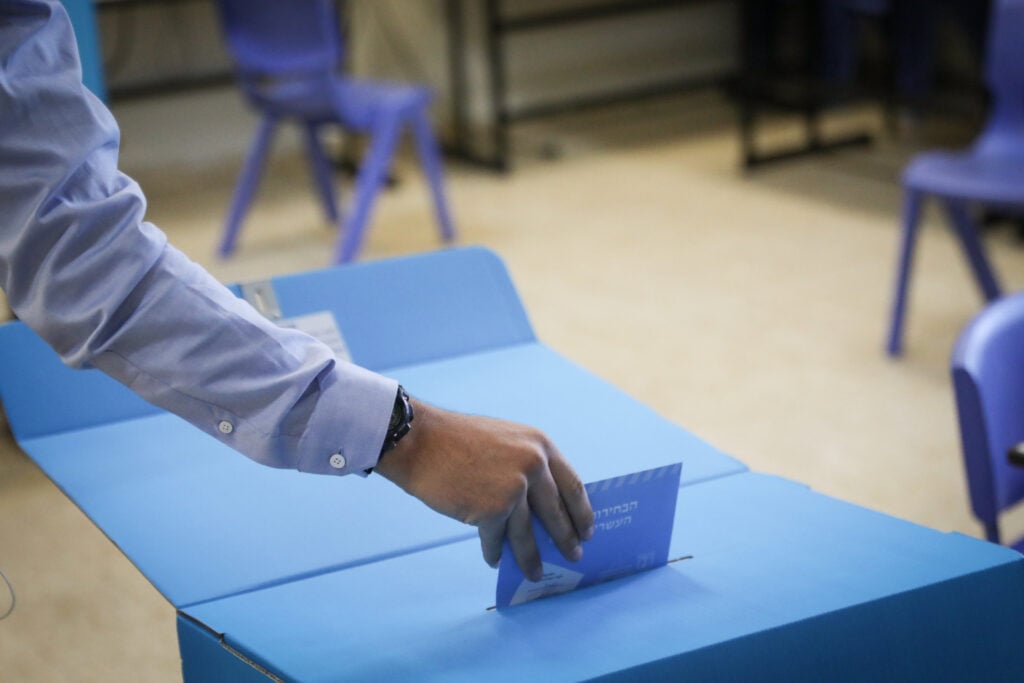
The option to fill in details by hand, combined with the relaxed documentation requirements for polling committee members, raises questions regarding the verification of eligibility and the oversight of the envelopes. Nevertheless, the announcement does not state that eligibility checks or the supervisory mechanisms designed to prevent double voting may be dispensed with.
These guidelines were issued amid allegations regarding irregularities and fraud that surfaced during election day. In such a situation, any change to the workflow at polling stations might raise concerns that efforts to expedite the voting process could hinder the real-time detection of irregularities or fraud.
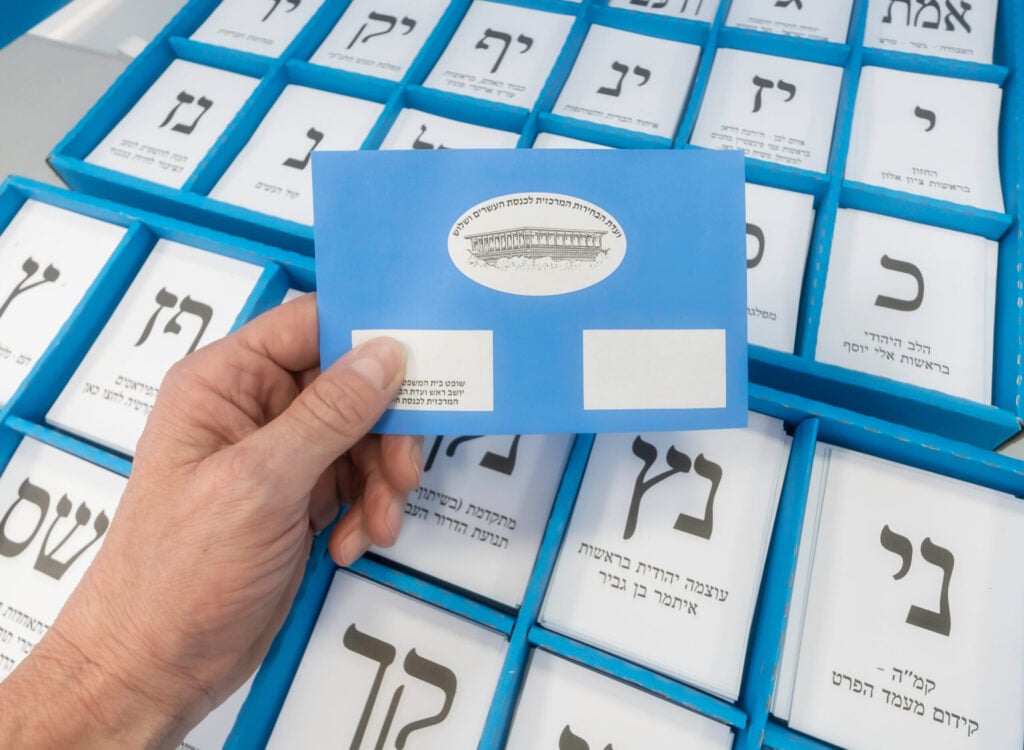
The core issue concerns the distinction between technically streamlining the process and maintaining rigorous oversight mechanisms. Procedures such as simultaneous voter identification, handling inquiries outside the main queue, and continuing operations while envelopes are being signed are intended to save time; however, they necessitate strict adherence to requirements—ensuring that every voter is properly identified and that every envelope is processed in accordance with the rules.
The option to vote using an expired identity card may also prompt questions among the public. Nevertheless, the expiration of the document does not invalidate its use for identification purposes during elections, and the guidelines do not permit voting without proper identification.
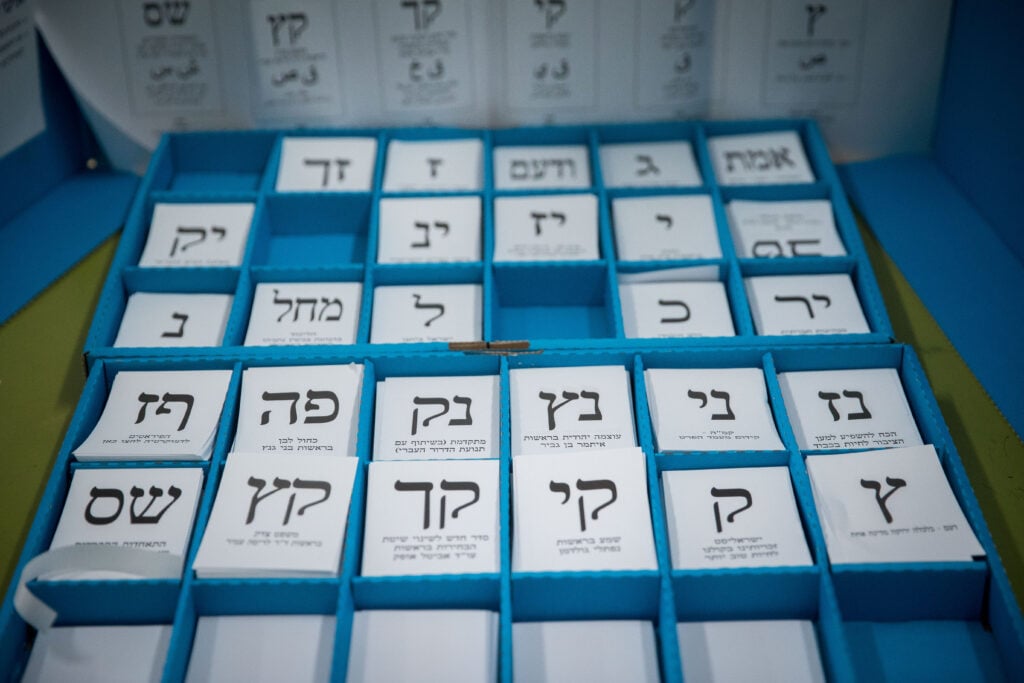
The Committee has clarified that at polling stations scheduled to close at 10:00 PM, any voter who arrives by that time is entitled to exercise their right to vote—even if it requires waiting in line and casting their ballot after the official closing time. This provision is designed to ensure that heavy congestion does not prevent citizens who arrived on time from voting. At the same time, it requires polling station staff to distinguish between individuals who were already waiting in line at the time of closing and those who arrived afterward.