


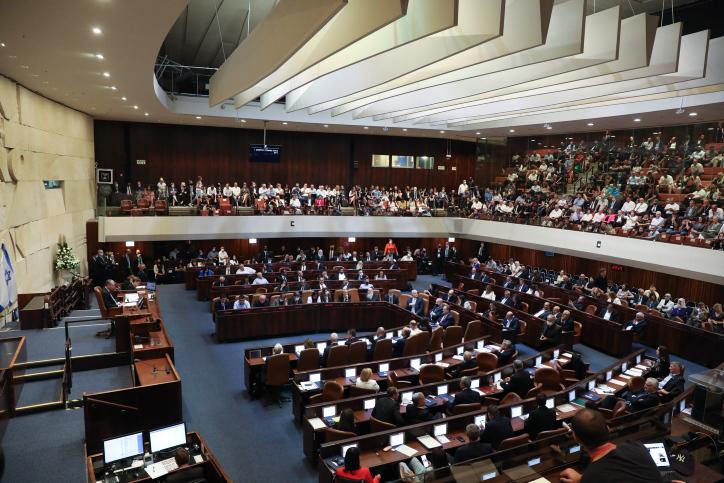

About 45 brand-new members of Knesset—people who’ve never served before—are expected to enter the legislature following today’s (Tuesday) election for the 26th Knesset, according to the latest Channel 14 poll. The highest number of fresh faces is expected in Yashar, led by Gadi Eisenkot, where 14 of the top 20 candidates haven’t served in the Knesset before. Likud comes in second with ten.
Once sworn in, the newly elected lawmakers will receive a monthly salary of about ₪48,700 ($13,400) gross, following a 2.4% update that took effect at the start of the year—after three years of frozen Knesset salaries. MKs also accumulate pension and continuing education funds. It’s a standard accrual pension, not the budgetary pension that was abolished for Knesset members in 2003.
Along with the salary, every MK is entitled to either a company car or reimbursement for vehicle expenses, plus funding for communications services and a mobile phone. An MK who lives outside Jerusalem is eligible for assistance of up to about ₪5,000 ($1,375) per month toward rent in the capital area. Each MK can employ up to three parliamentary aides, who are hired as civil servants and paid directly from the Knesset budget. On top of that, each lawmaker has an annual budget of about ₪95,000 to ₪100,000 ($26,000–$27,500) for public outreach—things like social media advertising, consulting, and printing—reimbursed only against receipts.
Beyond the perks, being sworn in gives MKs the tools for parliamentary work. Every member can submit private bills, direct questions to ministers, and propose items for the Knesset plenum’s agenda. MKs are assigned to Knesset committees, where bills are debated and government actions are overseen, according to a division among the factions.
The law also grants MKs immunity. A member of Knesset bears no criminal or civil liability for a vote, statement, or action taken in the performance of their duties in the Knesset or on its behalf—and that immunity continues even after their term ends. In addition, criminal proceedings against a sitting MK require the Knesset’s approval in certain cases.