


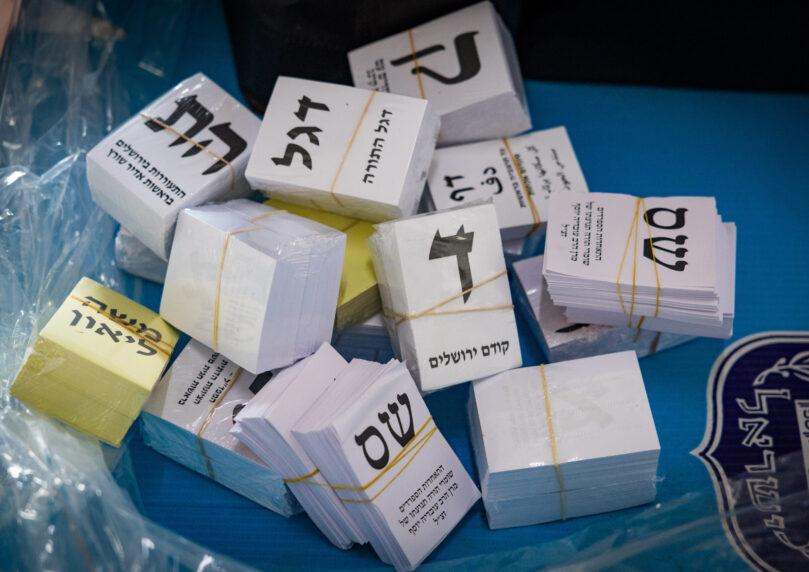

Not every ballot inserted into ballot boxes today (Tuesday) in Israel’s 26th Knesset election will be counted. In the previous election in November 2022, 29,851 votes were disqualified—about 0.6% of all voters, according to data from the Central Elections Committee. Invalid votes aren’t counted in seat allocation and aren’t included in calculating the electoral threshold, meaning these votes are completely lost.

 1+
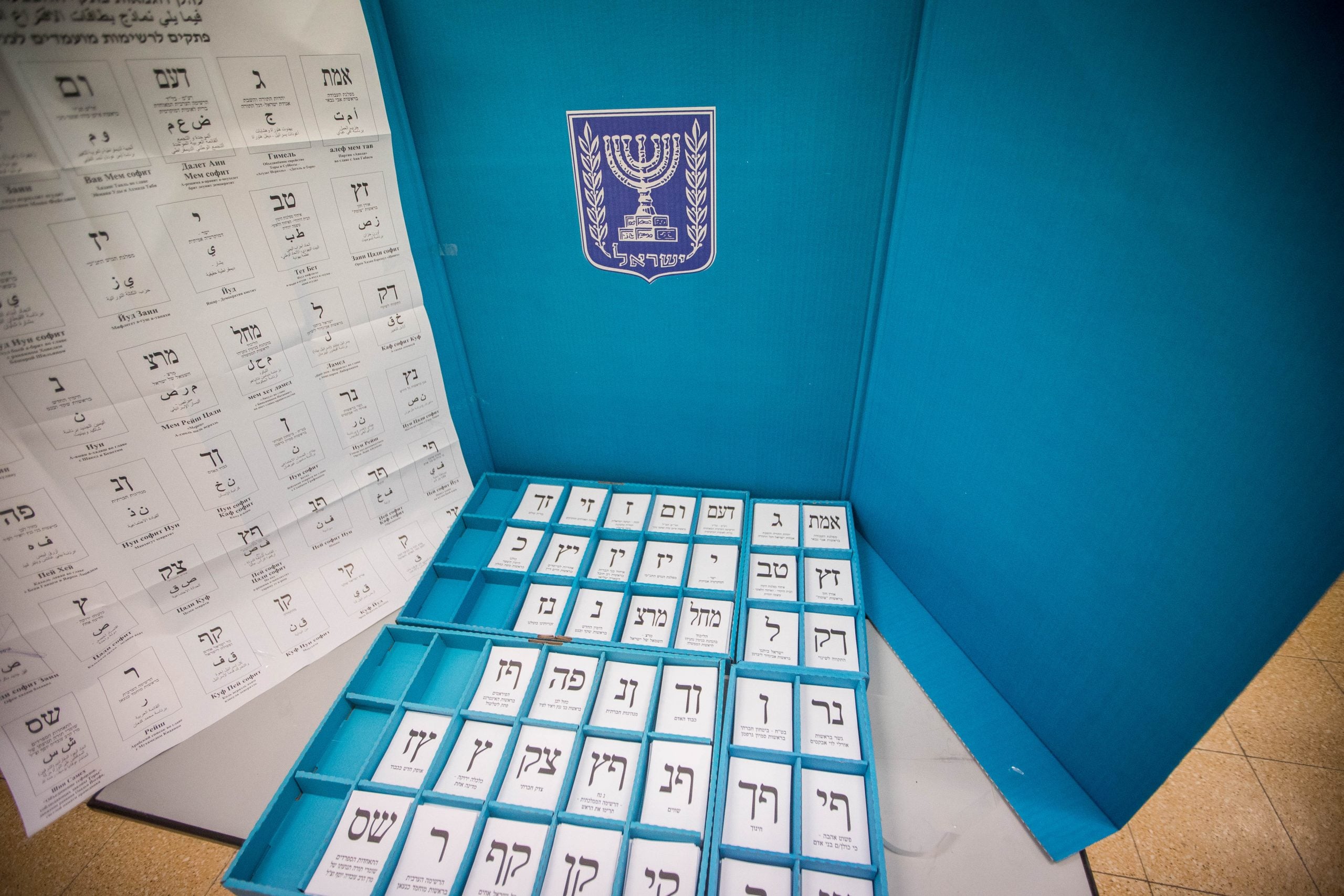
The Central Elections Committee clarified that voters must use printed ballot slips as they are, without adding words, signatures, drawings, or other marks that could disqualify the vote. If a voting booth doesn’t have a printed slip for the party a voter wants to support, they can request a blank slip from the ballot committee and write the party’s letters on it, or the letters plus the party’s name. Writing must be done in blue pen, in Hebrew, Arabic, or both. A blank slip with nothing written on it, or a slip with only the party name written without its letters, will be disqualified.
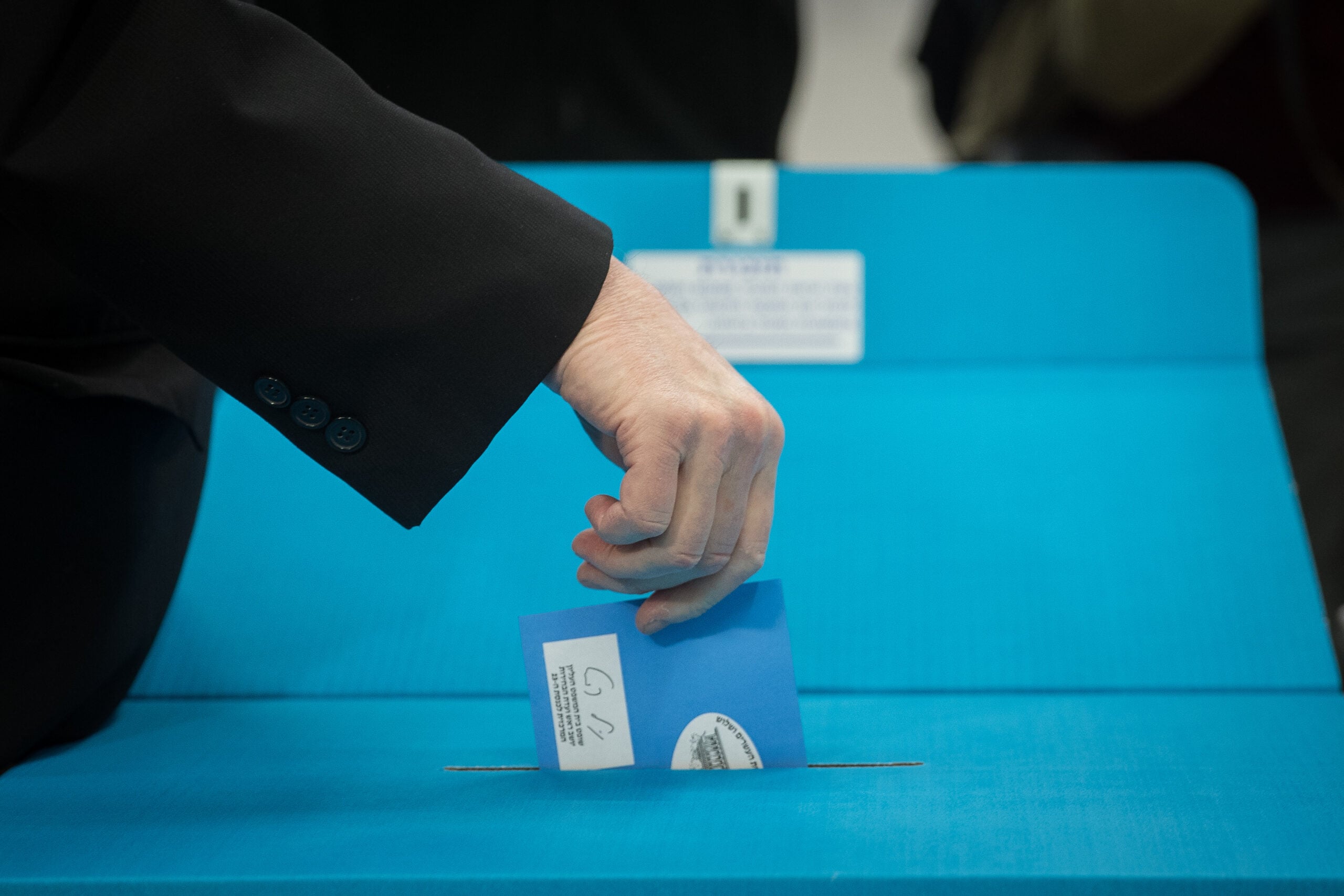
The envelope can also disqualify a vote. An envelope containing slips from two different parties will be disqualified, as will an envelope with more than three slips, even if they’re identical. However, two or three identical slips won’t disqualify the vote—only one will be counted. Additionally, an envelope that isn’t the one provided by the Elections Committee will be disqualified, as will an envelope without signatures from two ballot committee members.
 1+
This election includes a special case. The Ahim movement, which was running under the letters Tzadi-Bet-Yod, withdrew from the race, and the Elections Committee ordered its ballot slips removed from voting booths. Any slip for the party found during counting—printed or handwritten—will be disqualified, including votes already cast at Israeli missions abroad and in military ballot boxes.