


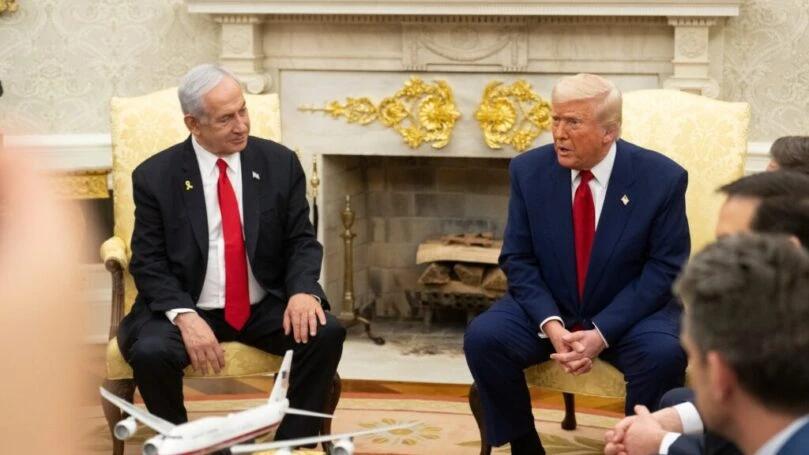

One day before Israelis head to the polls for the elections to the 26th Knesset, U.S. President Donald Trump clarified on Monday that Prime Minister Benjamin Netanyahu never solicited his public political backing. Responding to a direct question from a reporter inquiring whether Netanyahu had requested his endorsement ahead of Tuesday’s vote, Trump rebuffed the notion: “No, I never spoke to him. It wasn’t a request; I just put out the two statements. I think he’s done a very good job as prime minister under very tough conditions.”

 1+
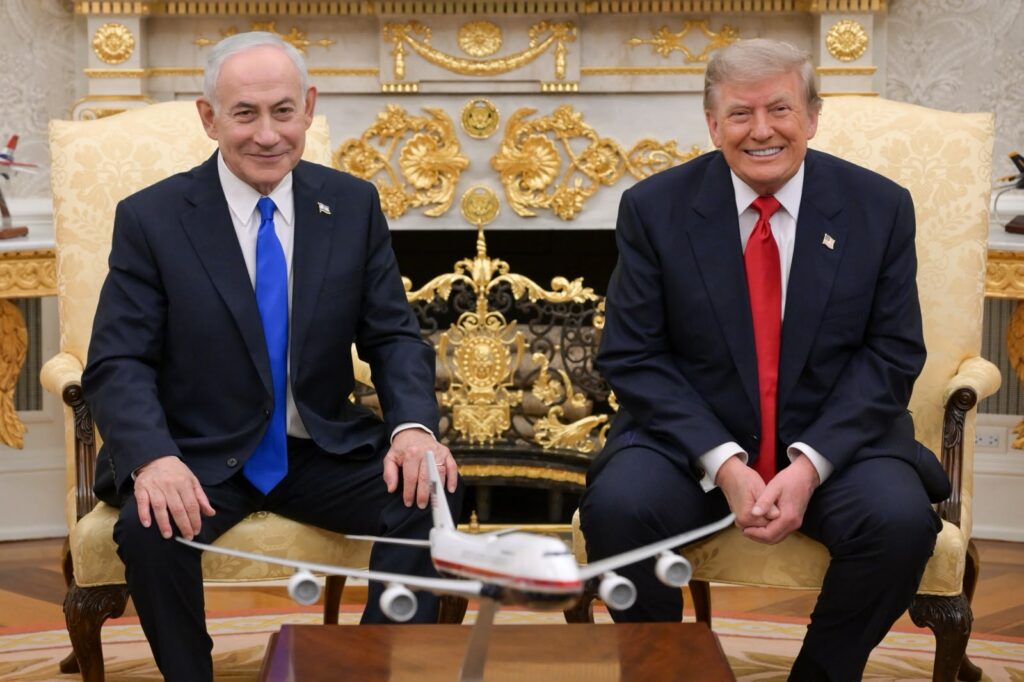
The American president’s clarification follows the publication of two explicit endorsements supporting Netanyahu’s re-election bid.
In the first statement, released approximately a week ago and addressed directly to the Israeli public, Trump offered his “Complete and Total Endorsement” of Netanyahu, praising his wartime posture, the deep strategic cooperation between Washington and Jerusalem against Iran, and the vital importance of leadership continuity for American security interests in the region.
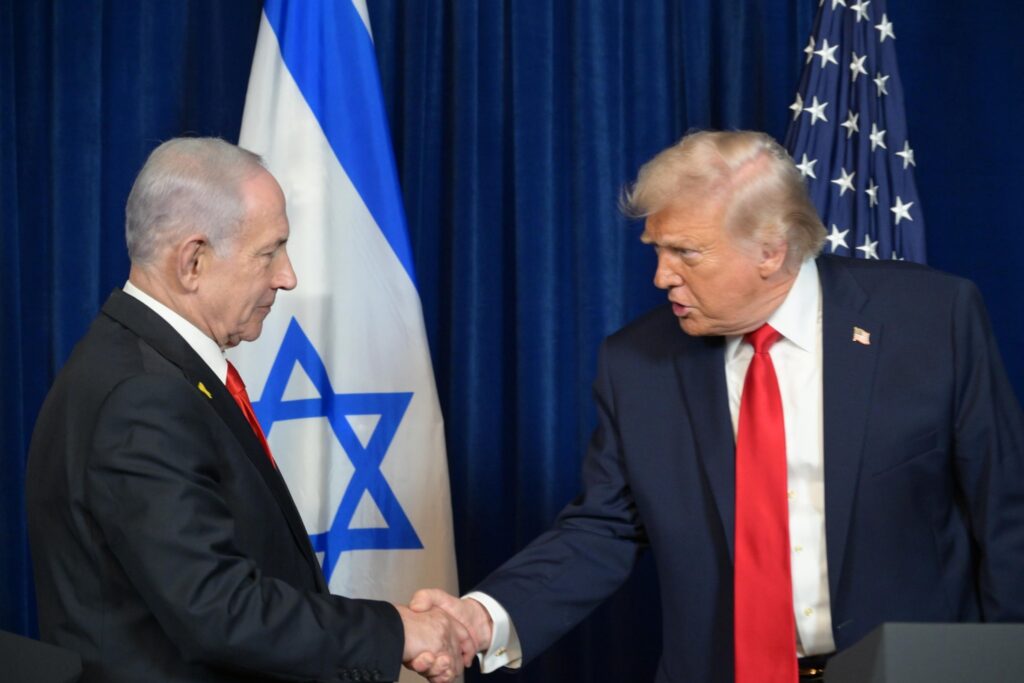
On Monday morning, less than 24 hours before the opening of voting stations, Trump issued a second public message reinforcing their shared achievements against the Iranian regime. “When you go to the polls, please remember that Bibi was an outstanding fighting prime minister!” Trump wrote, highlighting their unified stance against regional security threats.
 1+
Trump’s statements align with accounts Netanyahu gave in an interview with Channel 14 last week. In that broadcast, the prime minister said the initial endorsement came as a complete surprise and that he received no prior notice before it was published. During the interview, Netanyahu firmly dismissed allegations from domestic political opponents suggesting that Israel had provided political or strategic concessions to secure White House support. Asked whether any quid pro quo was involved, Netanyahu answered: “Categorically not.”
Trump’s confirmation on Monday confirms that the dual endorsements were drafted and released independently by the American president, underscoring Washington’s assessment of the wartime partnership between the two leaders on the immediate eve of the national vote.