


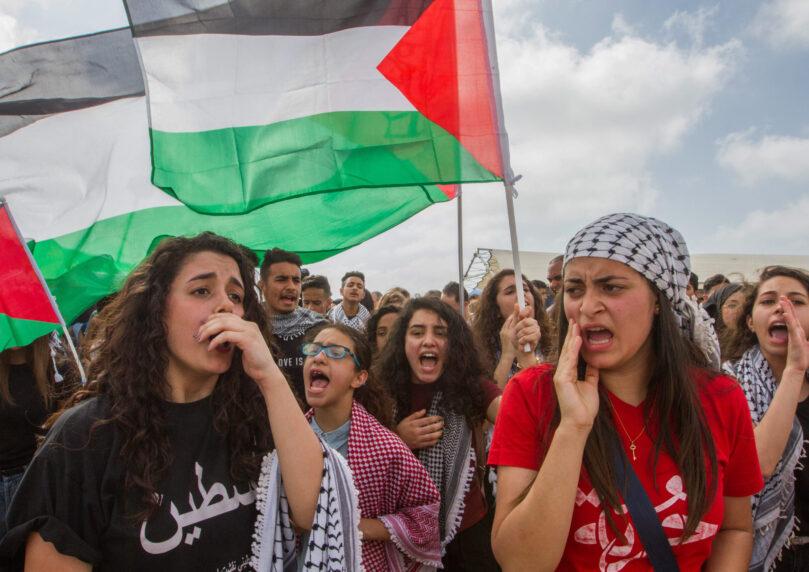

Hours before polling stations across Israel open for the 26th Knesset elections on Tuesday, the Arab political factions—Ra’am and the Joint List—along with their respective voter bases, are finalizing preparations for an unprecedented turnout campaign. The overarching objective uniting the factions is the immediate removal of the right-wing governing coalition and the political leadership they view as their foremost adversaries: Prime Minister Benjamin Netanyahu, Finance Minister Bezalel Smotrich, and National Security Minister Itamar Ben-Gvir.
The public rhetoric and operational language used by party organizers leave little doubt about how the campaign is perceived internally.
Within party headquarters and local campaign cells,Tuesday’s vote is described as nothing short of an existential campaign that will determine the country’s demographic and political future.

 1+
For the Arab electorate, this election cycle is treated as a historic and fateful turning point.
Community organizers and field activists report that voters are arriving at the ballot box primarily driven by the imperative to unseat the Netanyahu-led right-wing bloc.
However, that political goal is tied to concrete policy demands:extracting sweeping governmental concessions on organized crime running rampant within Arab municipalities,
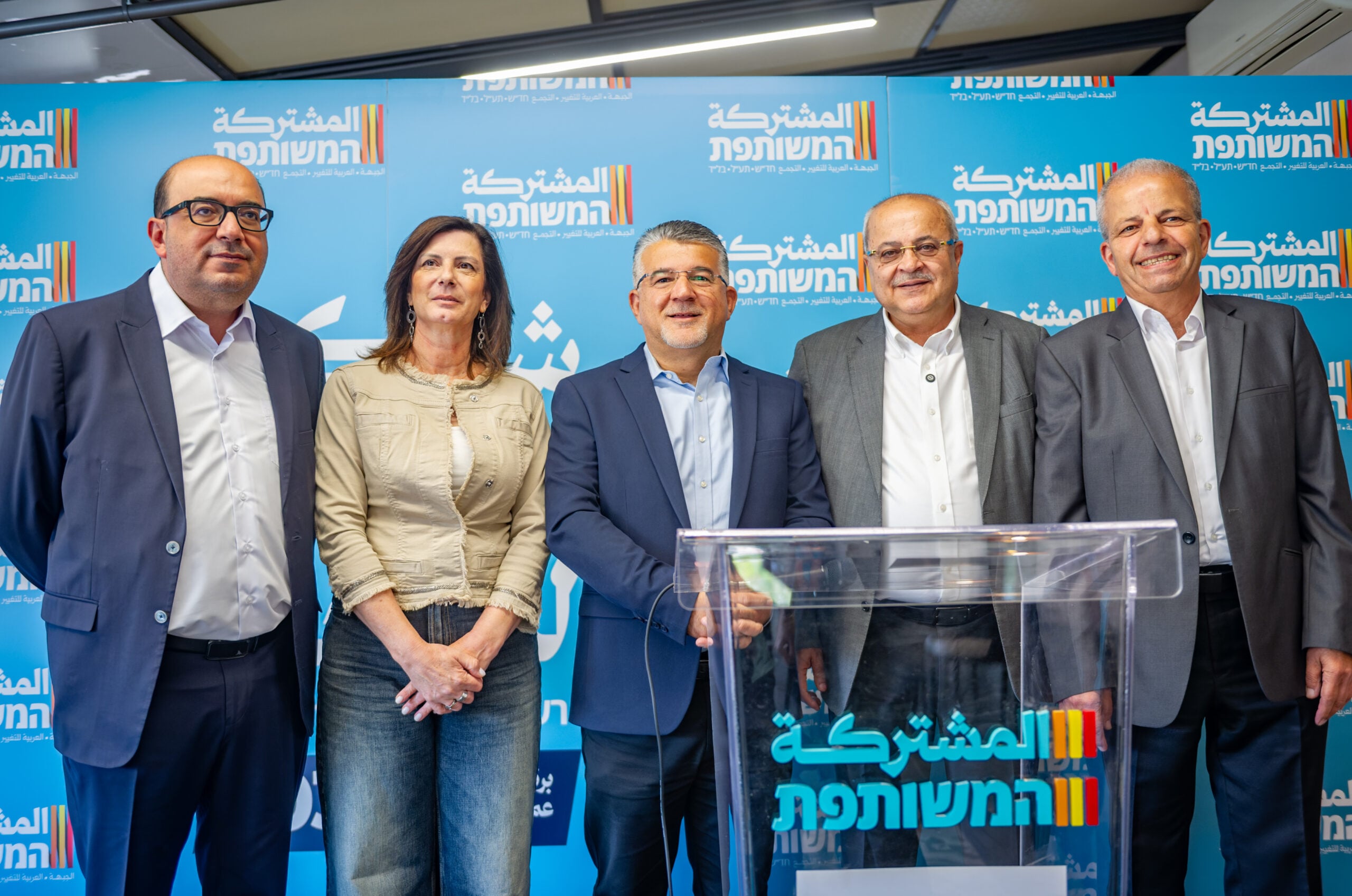
securing an immediate freeze on administrative demolitions targeting widespread illegal construction, and forcing the revival of a sovereign diplomatic horizon for the ‘Palestinian’ issue.Crucially, the Arab parties do not view their electoral role merely through a domestic parliamentary lens. Throughout the campaign, party figures have defined themselves as the forward spearhead of the broader regional Arab struggle against the State of Israel and its right-wing leadership. Within this strategic doctrine, faction leaders view their primary historic mission at this moment as providing direct political, legal, and operational support to their brethren in the Gaza Strip and Judea and Samaria.
 1+
The mobilization combines overt ‘Palestinian’ nationalist ideology with religious devotion. For the Southern Branch of the Islamic Movement, which forms the theological and organizational core of Mansour Abbas’s Ra’am party, heading to the ballot box is presented to the faithful as an unyielding religious and national obligation: for Allah, for the ‘Palestinian’ nation, and for the broader Arab collective.
With the political blocs separated by the narrowest of margins, the Arab parties view Tuesday’s election not merely as a standard civic exercise, but as the launching of a full-scale political war at the ballot box.