


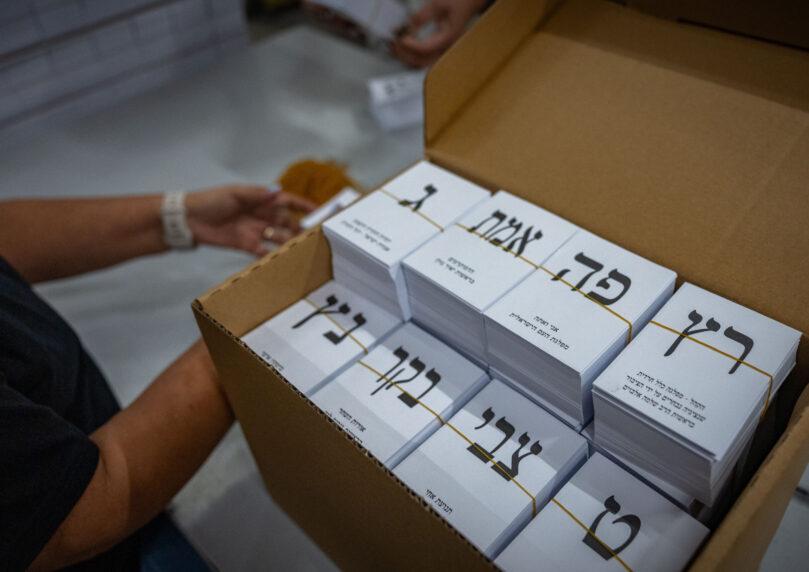

Less than 24 hours before polling stations open across the country for the elections to the 26th Knesset on Tuesday,
Israel’s defense establishment, intelligence agencies, and the Israel Police are completing comprehensive operational preparations to address an array of threats that could challenge the democratic process. Alongside heightened counterterrorism alerts and foreign influence campaigns, emergency responders are also preparing for unseasonal severe weather that threatens to complicate voter travel, particularly in the south.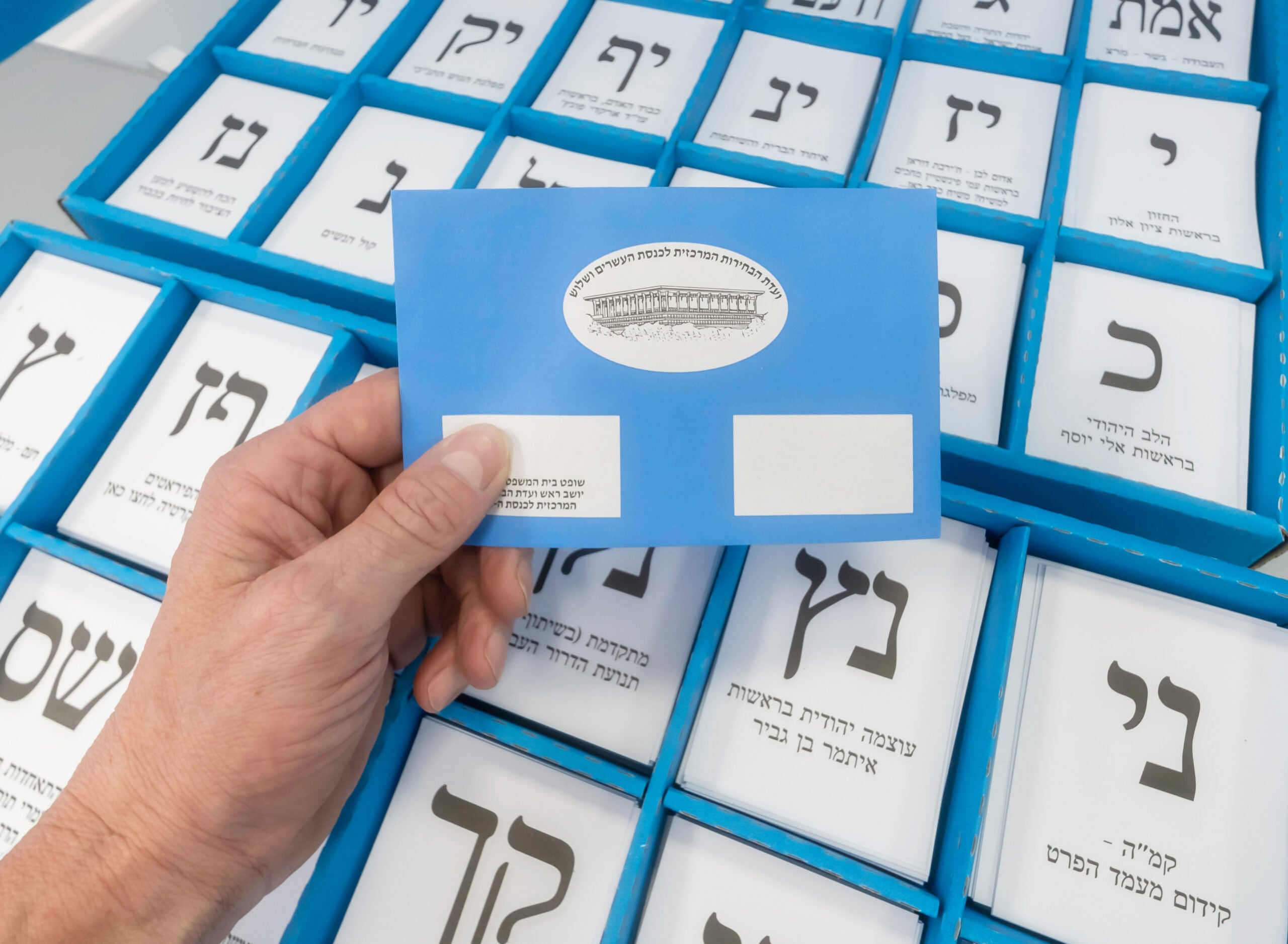
From Terror Threats to Missile Attacks: The Extreme Scenarios
Knesset Foreign Affairs and Defense Committee Chairman MK Boaz Bismuth issued a stark warning last week regarding hostile efforts to target the democratic process.
Following a classified intelligence session reviewing multi-front threat matrices, Bismuth stated: “Israel’s enemies will attempt to harm election day.” He underscored that defense and intelligence formations are operating at peak readiness to neutralize threats to public safety and the balloting process.
The operational precautions account for contingency scenarios, including incoming rocket fire, air-raid sirens, and potential surprise incursions while voting stations remain open. As part of these preparations, police commanders held an inter-agency simulation exercise with Central Elections Committee Chairman, Supreme Court Deputy President Justice Noam Sohlberg. The drill tested rapid-response force deployments, civilian evacuation routes, the immediate safeguarding of paper ballots during sirens, and continuity of operations under wartime conditions, supported by risk-based site mapping.
20,000 Officers in the Field: Preparing for Public Order Violations
Israel Police finalized operational deployments that will see approximately 20,000 police officers, Border Police combatants, and community volunteers positioned across thousands of voting sites throughout the country. Forces will operate across overt patrols and covert surveillance details to deter physical terror attacks, quell public disorder, prevent voter intimidation, and safeguard electoral purity. Operational planning also accounts for potential vehicular blockages on major traffic arteries and civil unrest following the publication of exit polls and official tallies.
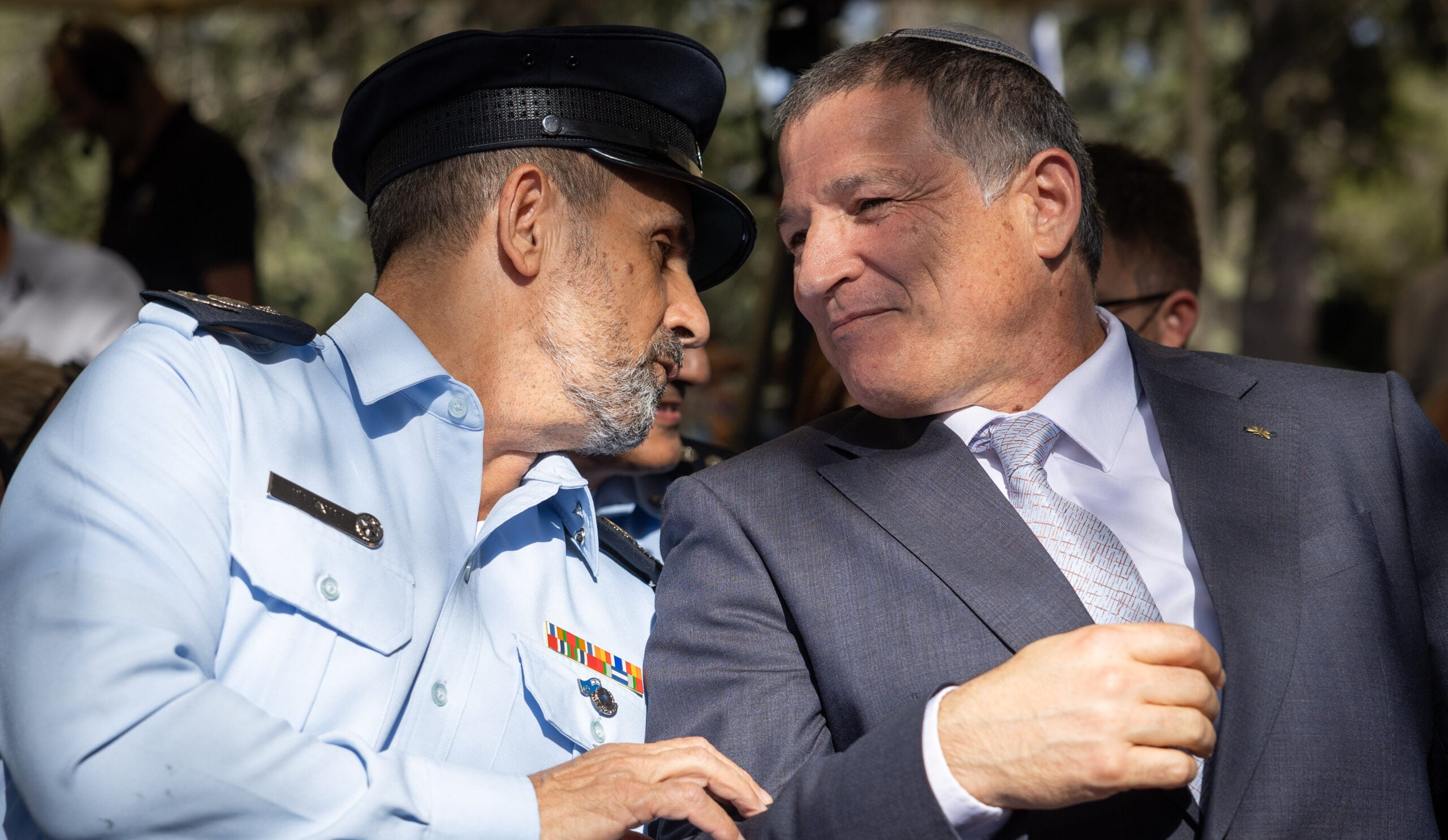
Election security formed the focal point of a briefing between Prime Minister Benjamin Netanyahu, National Security Minister Itamar Ben-Gvir, and Police Commissioner Danny Levy. The meeting reviewed current intelligence estimates concerning deliberate disruptions, including potential blockades of access roads leading to polling centers. Ben-Gvir raised concerns about publications in online forums linked to radical activist factions, while Netanyahu requested clarification on preemptive policing measures. Commissioner Levy emphasized that all intelligence leads are being investigated and that intentional efforts to disrupt voting will meet uncompromising enforcement. “We will not allow violence, threats, incitement, or criminality to undermine the will of the voter,” Israel National News quoted Commissioner Levy as saying.
Foreign Interference: The Accounts That Were Exposed and Removed
The battle to secure the election extends into the digital sphere. Last week, the Shin Bet announced it had disrupted a foreign online influence network targeting the election. Working alongside the State Attorney’s Cyber Department and the Central Elections Committee, security personnel located and neutralized numerous fraudulent social media accounts engineered to manipulate public sentiment and erode confidence in democratic institutions. The Shin Bet affirmed that cyber monitoring will continue uninterrupted throughout election day to block external interference.

Authorities are also preparing to counter artificial intelligence deepfakes, disinformation, and voter phishing scams. Digital defense units will patrol online channels throughout Tuesday to detect fraudulent posts aimed at misdirecting voters or misrepresenting polling logistics.
The Additional Threat: Weather Could Block the Road to Polling Stations
Beyond geopolitical and operational threats, nature is introducing logistical challenges. Meteorological models forecast heavy rainfall, intense thunderstorms, hail, and strong gale-force winds across southern and eastern Israel on Tuesday. Precipitation is expected to intensify by midday in the Eilat, Southern Negev, and Arava sectors before tracking northward. Authorities are primarily concerned with flash floods through dry riverbeds (wadis) and road inundations that could obstruct transit to voting centers.
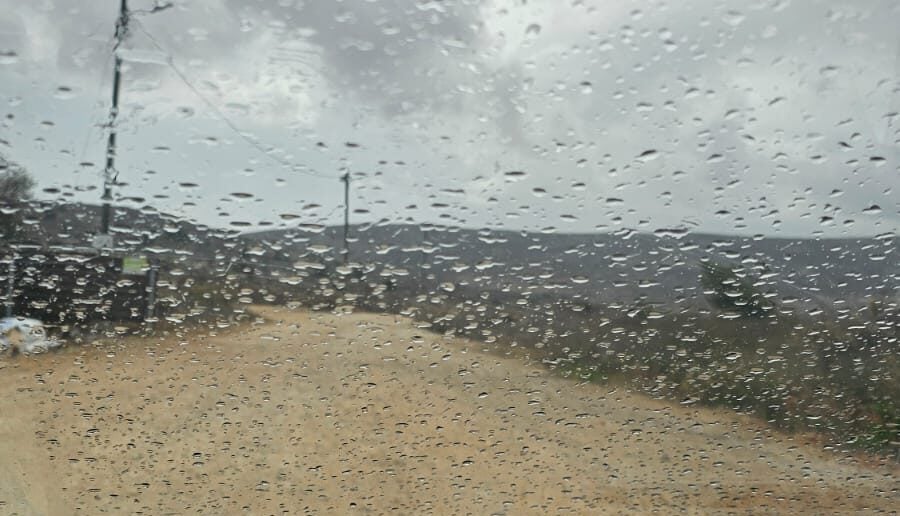
The Southern District of the Israel Police is preparing contingency plans for intermittent highway closures, focusing on primary corridors connecting central Israel to Eilat. In anticipation of hazardous conditions, nature reserves and desert trails from Beersheba to Eilat have been closed, and the public has been advised to avoid unnecessary travel across Negev and Arava roadways. While the macro-level impact on national turnout cannot be projected with certainty, localized road closures could create access friction in flood-prone districts.
And What Happens If a Siren Sounds During Voting?
The Central Elections Committee has established a standardized emergency operating procedure for missile alerts during balloting or subsequent vote tabulation. Ballot counters will process votes on specialized, fast-folding fabric mats, allowing poll workers to bundle, secure, and transport paper ballots into bomb shelters instantly without risking damage, loss, or chain-of-custody violations. Certified shelters have been mapped and prepared across all polling locations and within the central Knesset reception halls.

In the event of severe security escalation, the legal authority to order a temporary halt to voting or counting, or to suspend voting within a specific regional jurisdiction or nationwide, rests exclusively with Central Elections Committee Chairman Justice Noam Sohlberg. Any such directive would be carried out after immediate consultation with defense leadership, based on life safety. Police and security forces will remain linked to election administrative nodes throughout the balloting period to ensure democratic processes continue safely.