


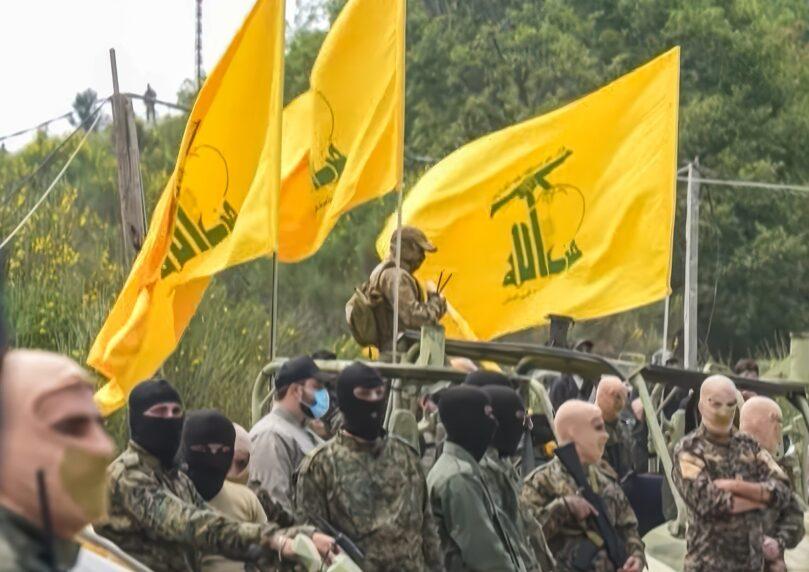

The Hezbollah terror organization has spent the past three months actively preparing for a potential resumption of full-scale hostilities against Israel, utilizing covert financial infusions supplied directly by Iran, according to an investigative report published by Reuters. The Lebanese terror proxy has leveraged the relative lull in border fighting since June to reconstruct its degraded military formations. The primary focus of this rearmament drive has centered on the procurement of industrial-grade explosives and the accelerated production of unmanned aerial vehicles (UAVs) engineered to execute loitering suicide strikes against Israeli defensive positions along the northern border.

 1+
According to the report, Tehran delivered tens of millions of dollars specifically earmarked for the rehabilitation of Hezbollah’s military apparatus. This defense funding was provided in addition to approximately $200 million routed through Iranian channels to finance financial stipends for displaced families within Hezbollah-dominated sectors of southern Lebanon and the Bekaa Valley. Simultaneously, the terror organization has attempted to reconstitute its strategic command-and-control systems, which sustained severe degradation during sustained combat engagements against Israeli forces.
Security officials cited by Reuters indicated that Hezbollah has not yet succeeded in fully restocking its depleted arsenals or restoring troop readiness to pre-war baselines. Nevertheless, the group continues aggressive procurement operations. Earlier this month, Hezbollah acknowledged that a consignment of commercial explosives seized by Lebanese law enforcement authorities belonged to the organization and was intended for offensive operations against Israel. An operative within Hezbollah and an independent Lebanese security official confirmed that the intercepted substances were destined for integration into explosive suicide UAV payloads.
 1+
Beyond hardware shortages, Hezbollah continues to face acute tactical challenges in restoring its operational network across southern Lebanon, particularly within contested operational sectors such as Bint Jbeil and the Ali al-Taher ridge.
According to regional intelligence sources, Hezbollah’s post-strike reliance on dispersed, small-scale infantry units and its constrained deployment of anti-tank guided missile squads have left elements cut off from unified command nodes. This structural fragmentation has left the organization’s frontline units vulnerable to remotely operated Israeli combat ecosystems, including persistent unmanned aerial surveillance, precision strike drones, and remotely controlled armed platforms.