


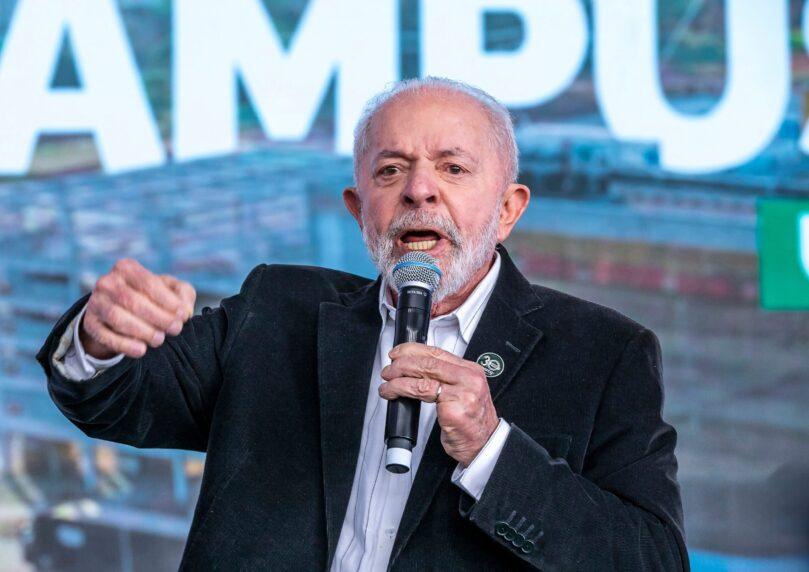

Brazil’s incumbent president, 80-year-old Luiz Inácio Lula da Silva, won the second round of the presidential election last night (Sunday), securing a fourth term. He defeated the right-wing candidate Flávio Bolsonaro—son of former president Jair Bolsonaro. According to the Brazilian electoral commission, with all votes counted, Lula received approximately 51.8% of the vote, compared to about 48.2% for his opponent—a margin of nearly 4.4 million votes. However, the younger Bolsonaro has announced that he does not recognize the results and intends to challenge them, arguing that a court decision to extend voting hours altered the rules of the contest.
Lula’s victory is considered one of the most significant political turnarounds in Brazil since the end of military rule in 1985. In the first round, held on October 4, Flávio Bolsonaro had taken the lead with approximately 47% of the vote, while Lula garnered only about 45%. At that time, the gap between the two stood at more than 2.2 million votes in favor of the right-wing candidate—a margin that provided him with a substantial psychological and electoral advantage heading into the showdown. However, during the three weeks between the two rounds of voting, Lula spearheaded a political blitz that shifted the momentum. He intensified his election campaign, courted the votes of young people and undecided voters, highlighted the achievements of his social and economic programs, and framed the election as a fateful battle for the very survival of democracy in Brazil.

In doing so, Lula became the first candidate since the return of democratic elections to the country to overcome a deficit from the first round and emerge victorious in the second. Furthermore, the final margin—exceeding 4.3 million votes in Lula’s favor—proved to be even larger and more significant than the margin by which he defeated his father, Jair Bolsonaro, in the 2022 presidential election.
Shortly after the official results were announced, Flávio Bolsonaro promptly declared that he rejected the outcome, intended to challenge the integrity of the process, and would demand the annulment of the election. At the heart of this challenge lies a dramatic decision made on election day, when Supreme Court Justice Cristiano Zanin ordered that voting hours be extended by two hours at certain polling stations across the country. The judicial order was issued just three minutes before the originally scheduled closing time for the polls, in response to parallel requests submitted by both campaigns. Lula’s campaign requested an extension due to overcrowding and public transportation difficulties in his strongholds of São Paulo and Salvador, while Bolsonaro’s campaign sought a similar extension citing weather conditions and heavy rainstorms in the south of the country—a region strongly associated with the right-wing camp.
🚨🇧🇷 FLÁVIO BOLSONARO IS TAKING BRAZIL’S ELECTION FIGHT TO COURT!
Lula has been declared the winner, but Flávio Bolsonaro refuses to concede and says his legal team will seek annulment of the results.
His objection centres on a last-minute extension of voting hours ordered by Supreme Court Justice Cristiano Zanin, a former lawyer for Lula.
⚖️ Bolsonaro is challenging the process. Whether his legal case succeeds remains to be seen.
USA will put out all the card to make invalid this election.
Lula is 4th time Brazil president!!
#Brazil #Bolsonaro #LulaPelaDemocracia
— Atul Singh (@atulsingh9018) October 26, 2026
The decision caused a significant delay in the opening of ballot envelopes and the vote count, drawing sharp criticism from Bolsonaro’s son. He launched a direct attack on Justice Zanin—who previously served as Lula’s personal attorney—accusing him of biasing the process and changing the rules of the game mid-stream, and asserting that, under these circumstances, he could not trust the results.
Conversely, the President of the Superior Electoral Court, Kassio Nunes Marques—who was appointed to the high court during Jair Bolsonaro’s term—was quick to clarify that the extension applied to both sides and did not alter the balance of power in the outcome. Legal experts in the country reinforced this position, assessing that the chances of the results being overturned are slim, given the lack of evidentiary grounds to suggest that the freedom of choice was restricted or that the outcome was distorted.

Following the official announcement of the final results, Lula appeared to celebrate his victory, accompanied by his wife, Rosângela da Silva, and leaders of his party, while tens of thousands of his supporters flooded the streets and central squares in São Paulo and Rio de Janeiro. In a speech delivered to the crowds, Lula sharply criticized his opponent’s tactics and the nature of the election campaign, framing his re-election as a firm stand against campaigns of disinformation and lies: “This was a defeat for denialism and lies. I must admit that every time I participated in a debate, I felt embarrassed.”
In the next part of his speech, Lula turned to the international arena, issuing both direct and indirect warnings in light of the diplomatic tensions with the administration of U.S. President Donald Trump: “Either the homeland remains free, or we shall die for Brazil.” He went on to declare to his supporters: “This country will not accept being anyone’s backyard.” These remarks were made amid growing friction between Brasília and Washington—stemming, in part, from tariff policies and economic restrictions imposed by the U.S. administration—as well as the close political and personal alliance maintained between Trump and the Bolsonaro family.
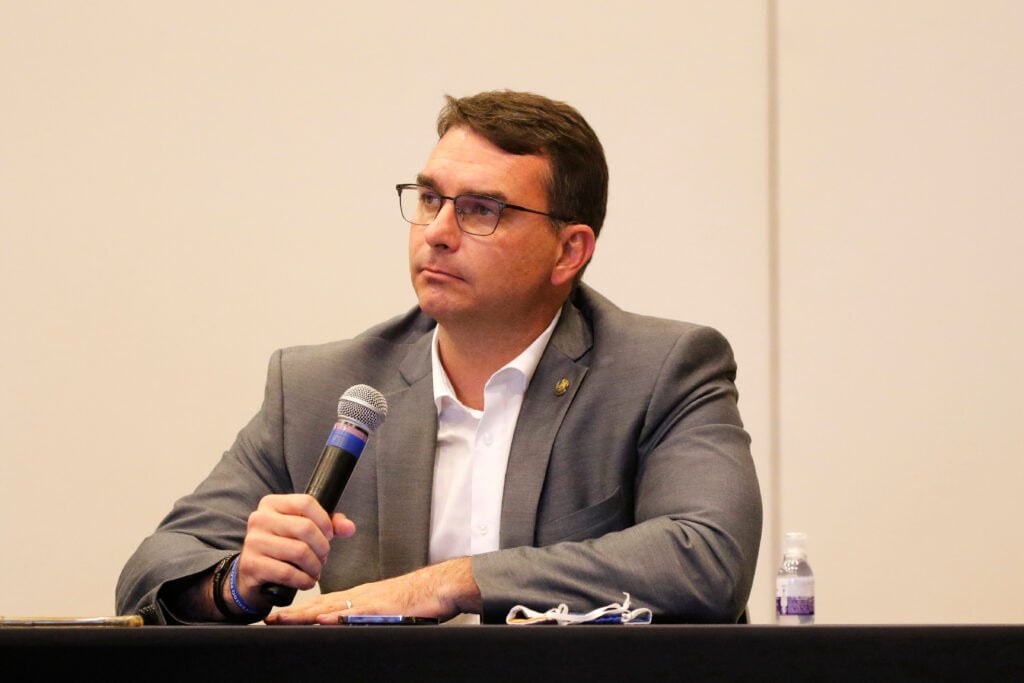
The current election campaign unfolded in the shadow of the legal situation facing former President Jair Bolsonaro. Following his defeat by Lula in the 2022 presidential race, the elder Bolsonaro was convicted and sentenced to a severe 27-year prison term for his involvement in an attempted coup aimed at preventing the transfer of power.
Following his father’s conviction, his eldest son, Flávio, stepped to the forefront of the political struggle as the candidate for the conservative camp, positioning himself as his father’s natural successor and the heir to his ideological legacy. Throughout the campaign, Flávio Bolsonaro pledged to take a hardline approach to eradicating crime, slash government spending, and strengthen diplomatic and security cooperation with the United States—while openly declaring his intention to secure his father’s swift release from prison.
Lula, for his part, based his election strategy on warning the public against the return of the Bolsonaro dynasty to the presidency, while emphasizing the vital importance of upholding the rule of law and maintaining national social welfare programs. The stark polarization between the two candidates reflected the deep social rift dividing Brazil into two camps of nearly equal size; even following his victory, it remains clear that roughly half the population stood behind the right-wing candidate.
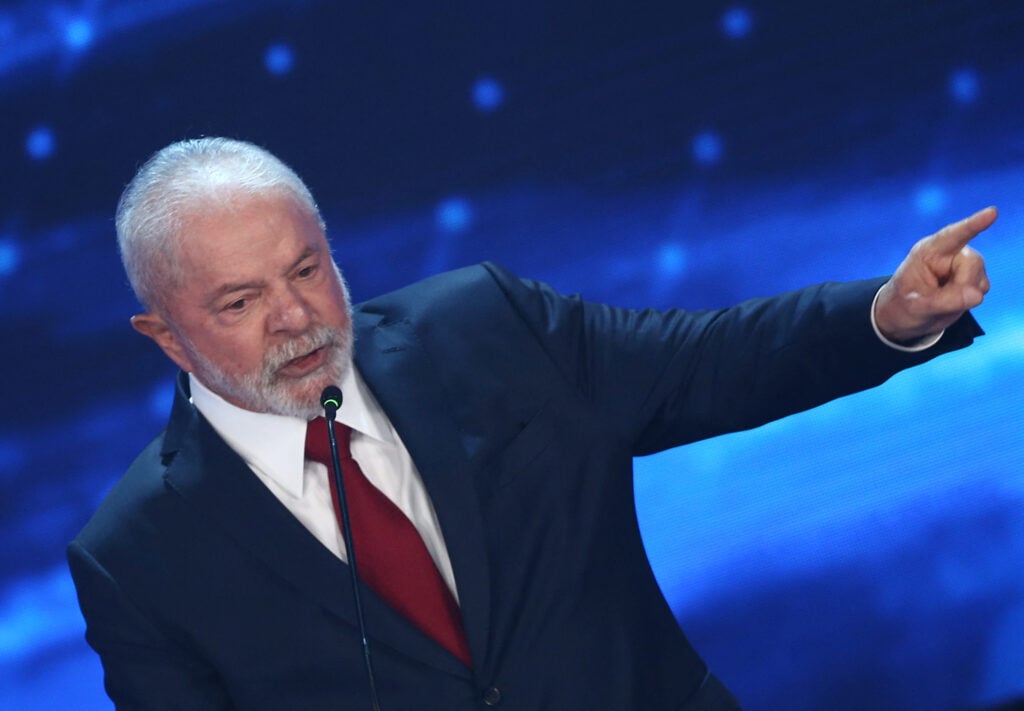
Despite Lula’s personal success in the presidential race, the political reality awaiting him within the government institutions is likely to present significant obstacles. Concurrent elections for the National Congress resulted in a substantial strengthening of the right-wing bloc; Bolsonaro’s Liberal Party, together with its allies, now controls over 280 seats in the lower house and up to 50 seats in the Senate.
This balance of power denies Lula an automatic majority, compelling him to engage in complex negotiations and compromises with lawmakers who staunchly oppose the core tenets of his administration—all in order to pass legislation, secure approval for the national budget, and fulfill his campaign promises to the electorate. Among the urgent tasks awaiting him are addressing the cost of living, tackling the ballooning public debt, strengthening personal security in the face of organized crime syndicates, and managing delicate diplomatic relations with the United States.
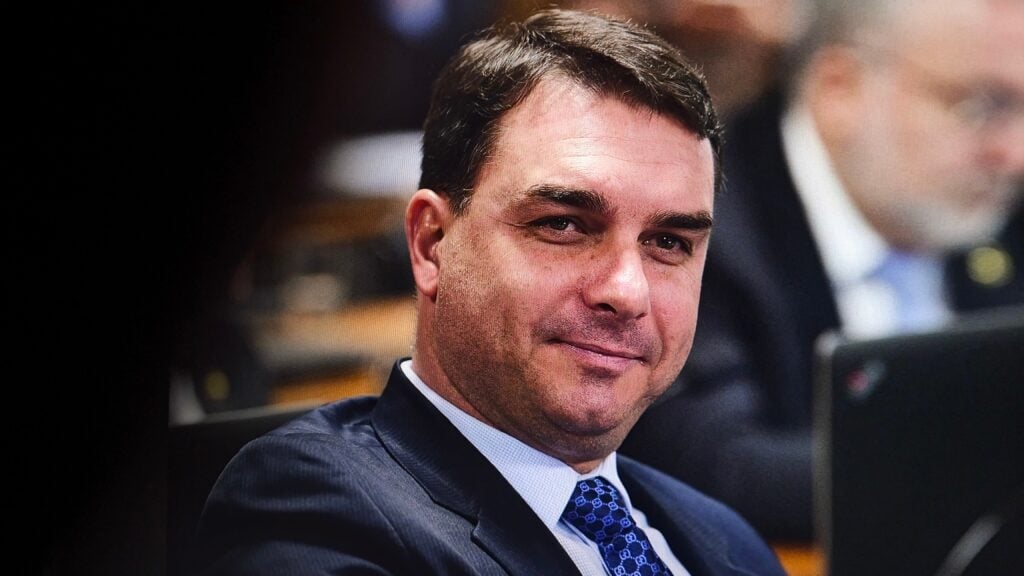
During his election campaign, Lula promised a series of sweeping social measures to benefit the most vulnerable segments of society—including a 15% increase in welfare benefits and legislation to provide free public transportation on weekends. These far-reaching reforms, however, are entirely dependent on the approval of a Congress that is largely opposed to his agenda.
Lula, who celebrates his 81st birthday this week, continues to cement his status as one of Latin America’s most influential and compelling political leaders of the last few decades. Raised in abject poverty in the country’s northeast, he worked as a metalworker in his youth and first emerged on the public stage as a militant labor union leader during the 1970s, under the military regime. He later became a co-founder of the Workers’ Party and rose to become the prominent voice of the Brazilian left. He was first elected President of Brazil in 2002 and served two consecutive terms until 2010—a period marked by rapid economic growth and the lifting of tens of millions of citizens out of poverty through national aid programs. However, years after leaving office, he became embroiled in large-scale corruption investigations, was convicted, and was imprisoned in 2018.
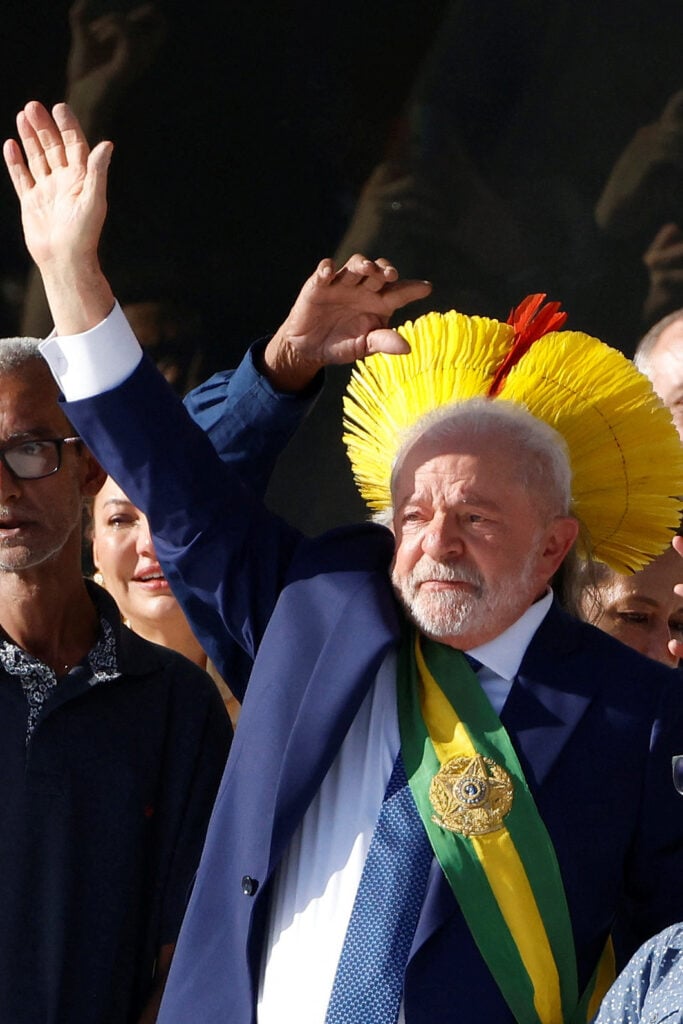
After serving approximately 580 days in prison, Lula was released; subsequently, the Supreme Court overturned all convictions against him, citing fundamental flaws in the legal proceedings and issues regarding judicial jurisdiction. In 2022, he staged a remarkable comeback by defeating Jair Bolsonaro to return to the presidency. Now, having also managed to overcome Bolsonaro’s son, Flávio, he has secured a fourth presidential term. Lula is set to be sworn in and begin his new term on January 5, 2027, taking the helm of a deeply divided nation amidst an exceptionally challenging political landscape.
The victory of Brazilian President Luiz Inácio Lula da Silva may complicate the restoration of diplomatic relations with Israel; during his previous tenure, ties between the two nations deteriorated significantly against the backdrop of the war in the Gaza Strip. Lula was one of Israel’s harshest critics on the international stage; he accused the country of committing genocide and compared its actions in Gaza to the atrocities of the Nazis during the Holocaust—remarks that drew sharp condemnation from Jerusalem and triggered a diplomatic crisis.
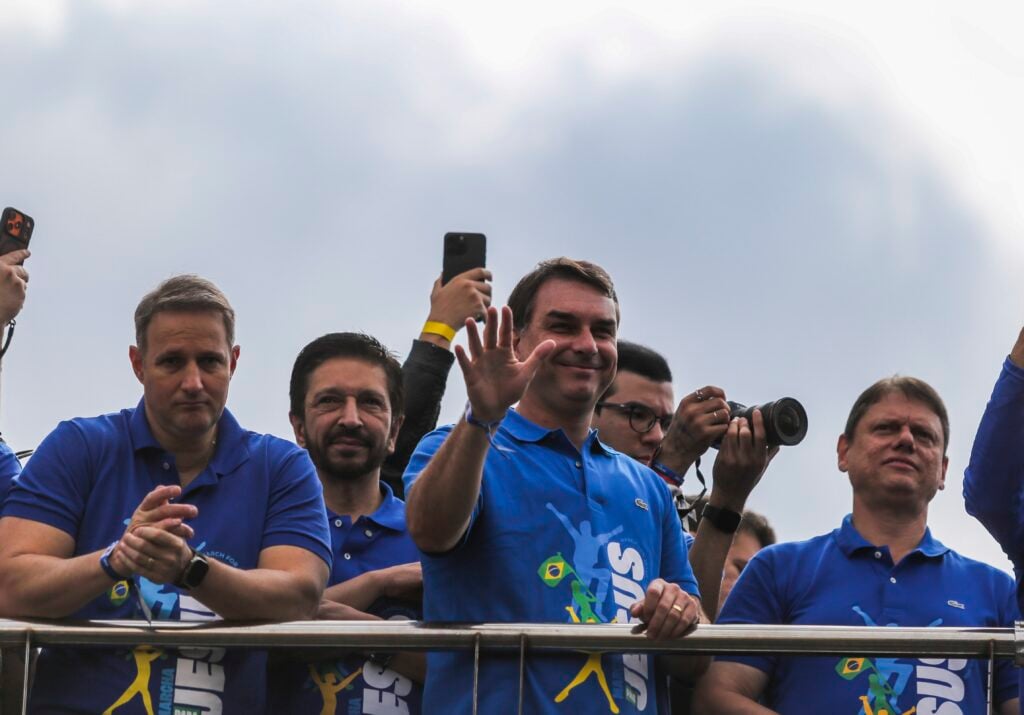
In contrast to former President Jair Bolsonaro—who was considered a close ally of Israel and pursued a distinctly pro-Israel policy—Lula has adopted a critical stance toward the Netanyahu government and has expressed support for the recognition of a ‘Palestinian’ state. His election to another term suggests that this policy is likely to continue in the coming years, pointing in particular to persistent friction between Jerusalem and Brasília regarding the Israeli-Arab conflict and voting patterns in international forums.