


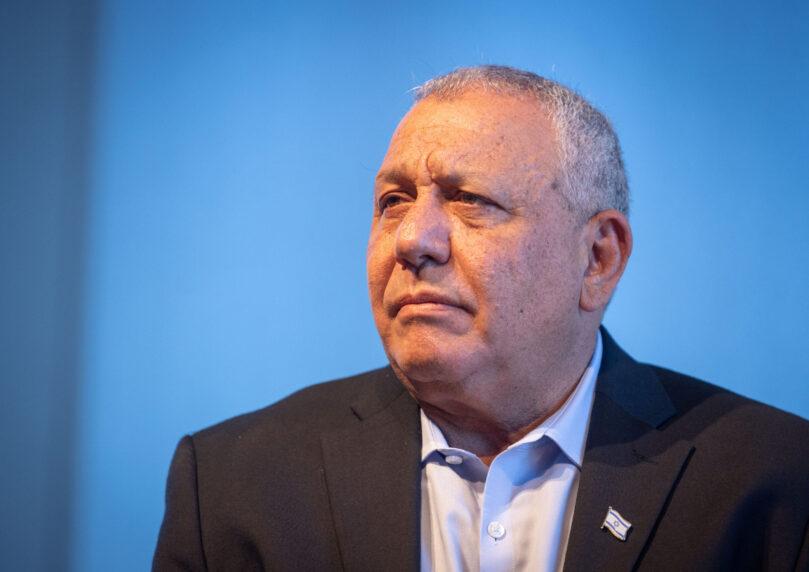

Despite declaring a high-stakes “largest party” campaign over the explicit objections of fellow center-left party leaders, Gadi Eisenkot’s Yashar faction is weakening in private internal tracking polls, while Naftali Bennett’s “BeYachad” party is registering tangible momentum just 48 hours before polls open.


 2+
Senior figures within the opposition bloc report that Eisenkot’s political standing has eroded noticeably over the past week. According to campaign insiders, concerns are mounting that the former IDF Chief of Staff is repeating Benny Gantz’s political arc. This high-profile security figure entered politics with minimal legislative experience, captured commanding leads in early surveys, but struggled to navigate intra-bloc party mechanics.
“He received enormous credit from the public, but failed to translate it into smart political maneuvering,” a well-placed bloc official stated. “His insistence on running a ‘largest party’ campaign, which essentially meant raiding the voter bases of his own natural partners within the bloc, ended up generating completely unnecessary antagonism and division.”
 2+
Strategists point to another contributing factor: Likud’s suppressed performance in several recent public surveys. With Likud polling at roughly 20 mandates, center-left voters perceive little urgency to build a massive counterweight party to secure a blockading majority. The lack of an imminent Likud victory has encouraged voters to spread their support across various mid-sized parties rather than rally behind Eisenkot. “When Likud is polling around 20 seats, nobody feels an urgent need to run and save the bloc,” another campaign source explained. “Voters give themselves permission to scatter.”
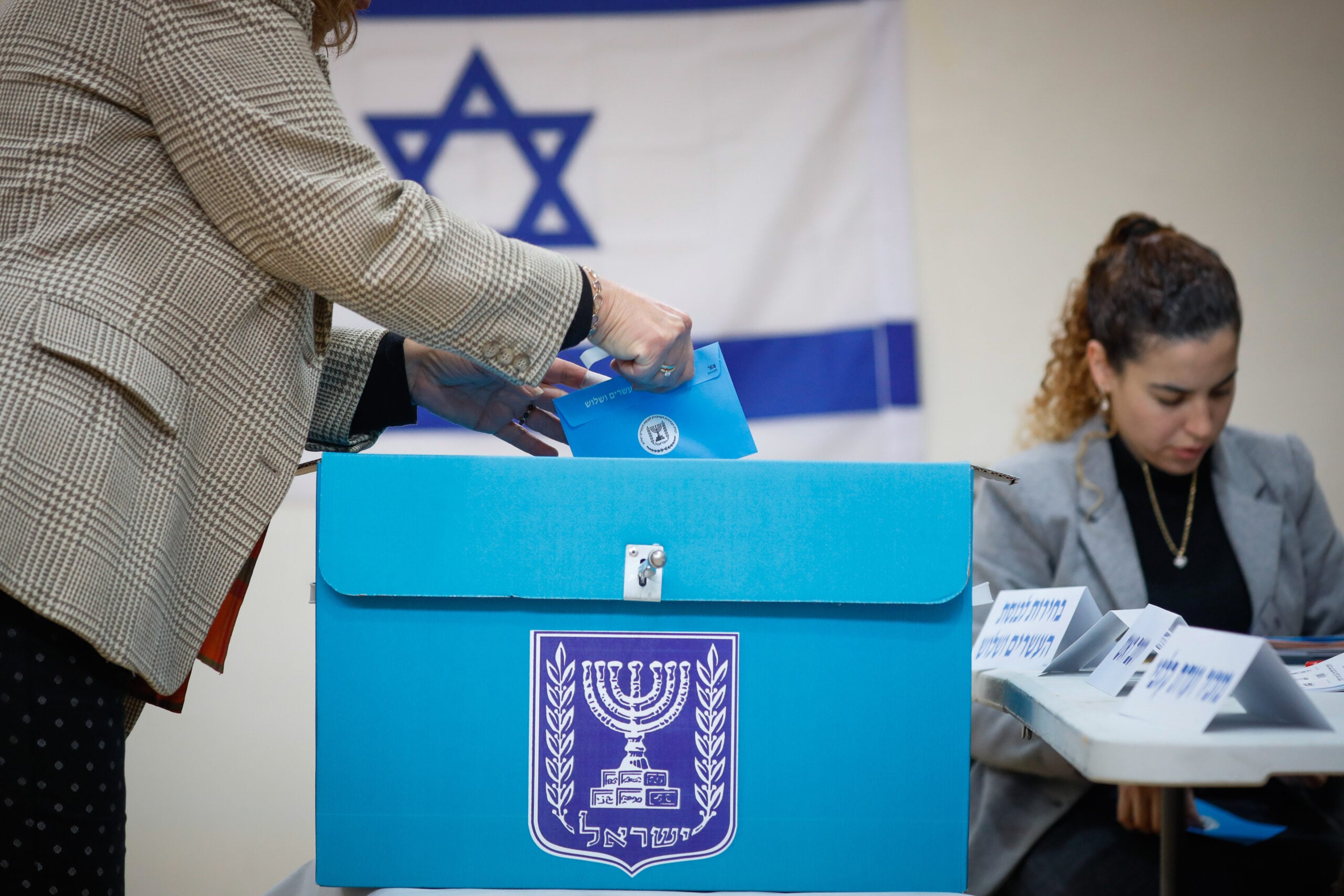
However, the buoyant mood inside Naftali Bennett’s “BeYachad” headquarters remains tempered by caution. Campaign operatives are maintaining high alert through the final 48 hours—the definitive window to influence undecided voters before polling stations open across the country on Tuesday, October 27. Under Israeli election law, broadcast and print media are prohibited from publishing new polling data in the final days of the race. Nonetheless, party strategists anticipate that unauthorized leaks of internal tracking numbers will heavily saturate social media feeds and community messaging channels.
 2+
Bennett’s campaign fears a familiar eleventh-hour dynamic: if leaked internal polls generate a sudden perception that Likud is rebounding toward the 30-seat mark, the electorate could swiftly revert to tactical panic voting to bolster the largest alternative faction. In that event, Eisenkot would be the primary beneficiary—drawing vital votes directly from Bennett’s centrist and soft-right flank at the last minute.