


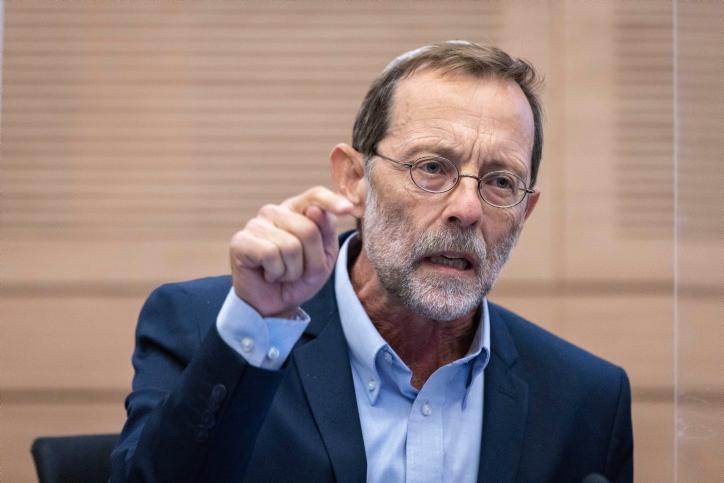

Zehut party chairman Moshe Feiglin launched a sharp critique on Sunday morning against Attorney General Gali Baharav-Miara over her objections to a formal meeting between Prime Minister Benjamin Netanyahu and the Israel Police commissioner, asserting that executive authority must remain firmly with the elected political echelon.
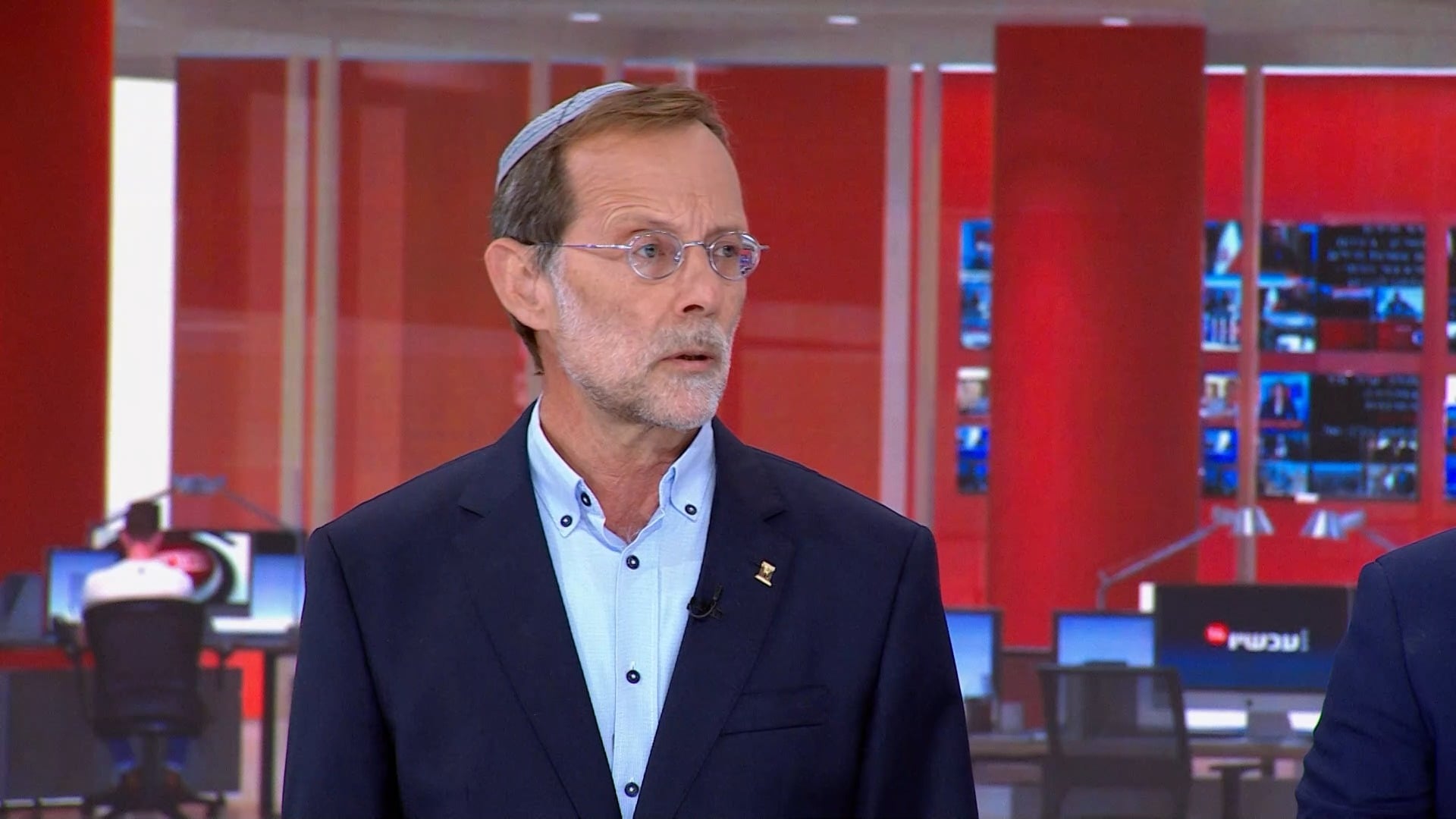
Appearing on Channel 14 News in an in-depth interview with anchor Dana Varon, Feiglin directly addressed the ongoing clash between the legal establishment and the government, the aftermath of Friday’s lethal shooting attack near Hebron, and the high-stakes political map ahead of Tuesday’s national election.
“I completely agree with my friend, attorney Yoram Sheftel—the Prime Minister should not care about this obstruction and must meet with whoever is necessary,” Feiglin declared regarding the blocked meeting with the police chief. According to Feiglin, executive compliance with judicial advisers over the past three years has eroded the political echelon’s authority. He added that if the chairman of the Central Elections Committee wishes to sit in on the operational briefing, that accommodation could be made, but canceling the summit altogether sets a dangerous governance precedent.
Turning to Friday’s deadly terrorist shooting at Judea Junction, Feiglin argued that the defense establishment has failed to internalize the lessons of the Gaza war. “All the security conceptions that led to October 7 remain alive and well,” Feiglin stated. “Nothing has changed within the defense establishment conceptually.”
When questioned on how Israel should respond to the attack, Feiglin called for an absolute operational shift: “The village from which the terrorist emerged should no longer exist. What I said on day one regarding Gaza—conquest, expulsion, and reestablishment of Jewish presence—remains fully applicable in Judea and Samaria.” He also rebuked the defense establishment for continuing to enforce administrative demolitions against Jewish hilltop structures across the region while concurrently approving new community master plans.

Facing accusations from political opponents that his platform is grounded in unrealistic, messianic aspirations, Feiglin embraced the categorization. “The most realistic thing in the State of Israel is to be messianic,” Feiglin remarked. “I am a messianist. I am not just a messianist—I am a proud messianist.”
He argued that Israel’s long-term survival requires a comprehensive strategic doctrine rooted in Jewish history, including restoring Jewish communities in Gush Katif and advancing national sovereignty over the Temple Mount. The catastrophic events of October 7, Feiglin maintained, created an undeniable historic necessity to break free from conventional defense paradigms.
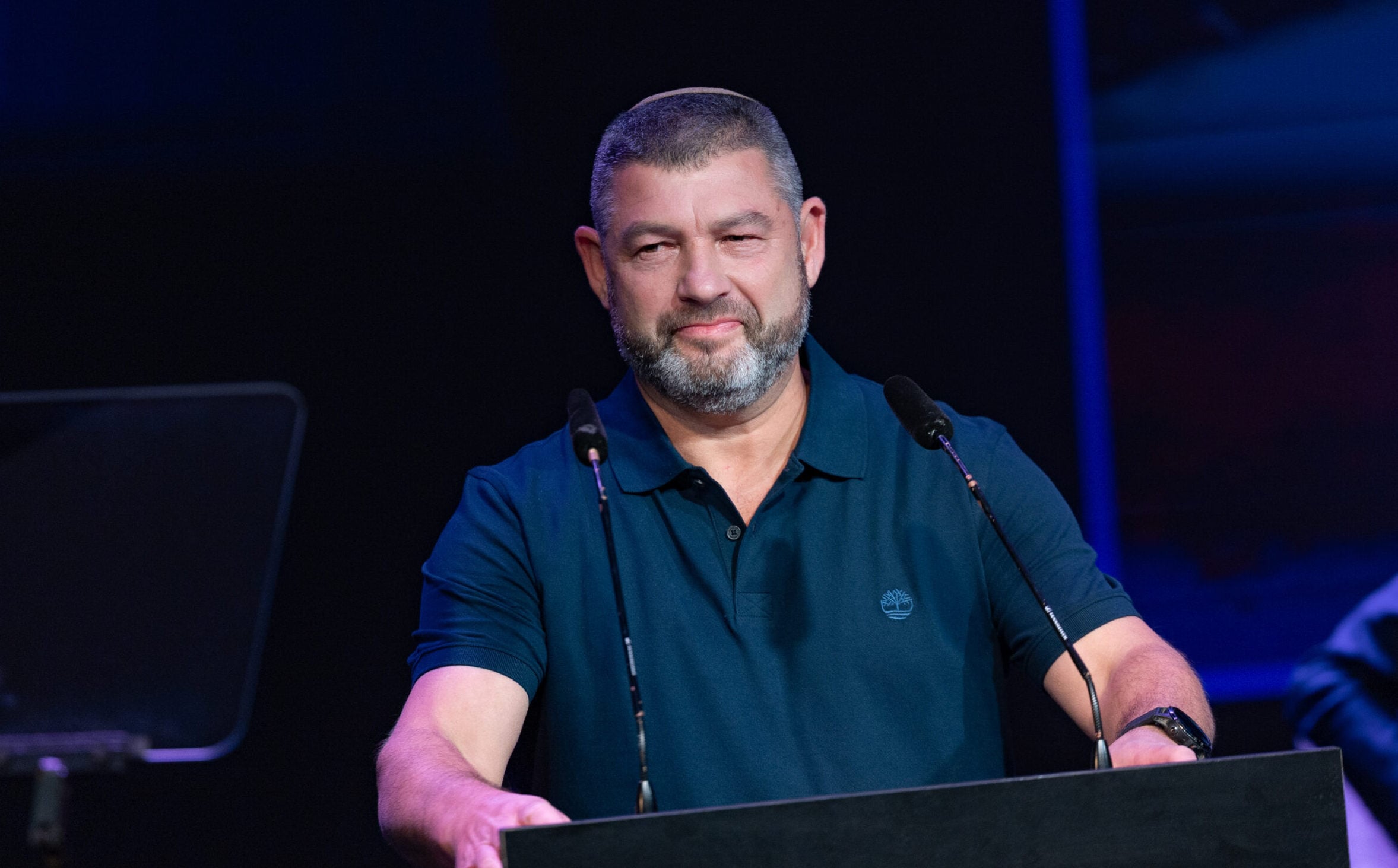
Concluding the interview, Feiglin directed sharp political criticism at the independent electoral run of former brigadier general Ofer Winter, warning that his splinter faction poses a direct threat to the right-wing majority. “I simply do not understand what he is doing,” Feiglin stated, noting that he sees no distinct or substantial diplomatic doctrine in Winter’s campaign to justify risking the fragmentation of vital right-wing ballots.