


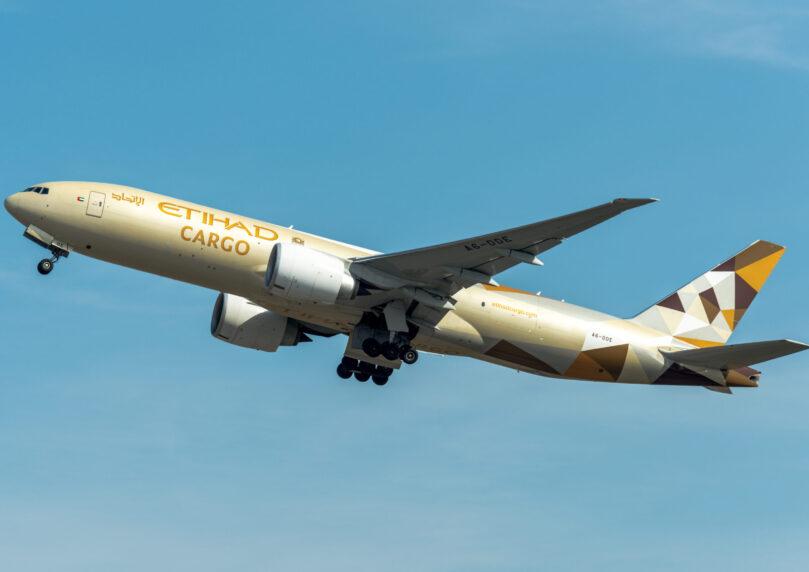

Options for flying from Israel to Dubai remain tightly constrained as Emirati carrier flydubai has yet to receive regulatory and security approval to resume operations out of Ben Gurion Airport. Without direct Dubai services, Israeli travelers bound for the Gulf or connecting onward to destinations in Asia have increasingly relied on alternatives, chiefly Etihad Airways flights to Abu Dhabi.


 1+
In response to surging consumer demand for connecting itineraries, Etihad Airways—the national airline of the United Arab Emirates—has moved to significantly expand seat availability on its Tel Aviv route. Etihad will maintain its extensive operating schedule of six daily flights on the Tel Aviv–Abu Dhabi corridor, representing 42 weekly frequencies. Beginning November 9, the carrier will expand the capacity of its key afternoon departure by upgrading the aircraft assigned to the rotation.
Flight EY594, which departs Tel Aviv at 14:00 and arrives in Abu Dhabi at 19:10, will transition from a single-aisle Airbus A321 with 188 seats to a wide-body Boeing 787 Dreamliner configured with 316 seats. The equipment swap adds 128 seats per flight. Following the schedule adjustment, Etihad’s total daily outbound seat inventory from Israel will increase by approximately 11.3%, rising from 1,128 seats to 1,256 seats per day.
 1+
Aviation officials note that the capacity increase is designed to accommodate heavy transit traffic heading to destinations across the Far East, the Indian subcontinent, and Australasia via Zayed International Airport in Abu Dhabi, at a time when travel through Dubai’s commercial hub remains disrupted for Israeli passengers.