


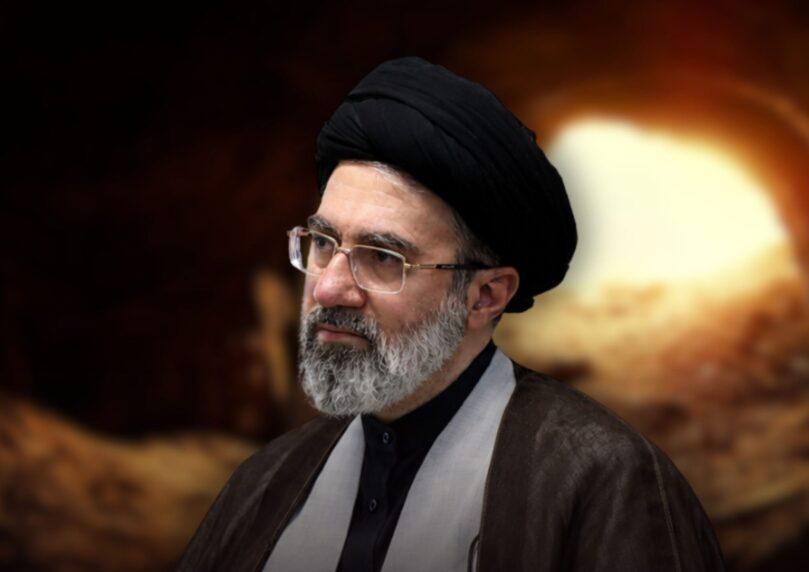

The United States elevated the threat posture across its diplomatic missions throughout the Middle East on Saturday and initiated phased evacuations of embassy and consular staff, following specific intelligence assessments indicating that the Iranian regime is operationalizing lethal plots against American diplomats, government officials, and citizens, The New York Times reported.

 6+
According to American defense and intelligence officials, the current threat environment represents the most critical danger level documented since the escalation of hostilities on February 28. The operational threat envelope is not confined to regional diplomatic posts in the Middle East; it extends into major European capitals and encompasses potential operations inside the sovereign territory of the United States.
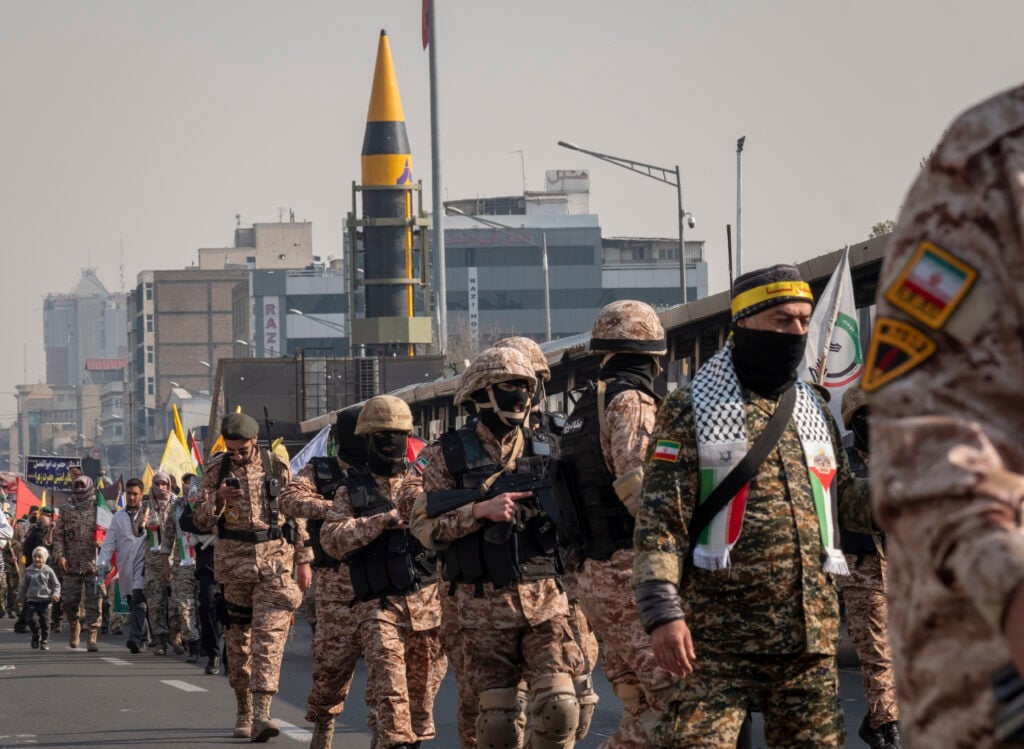
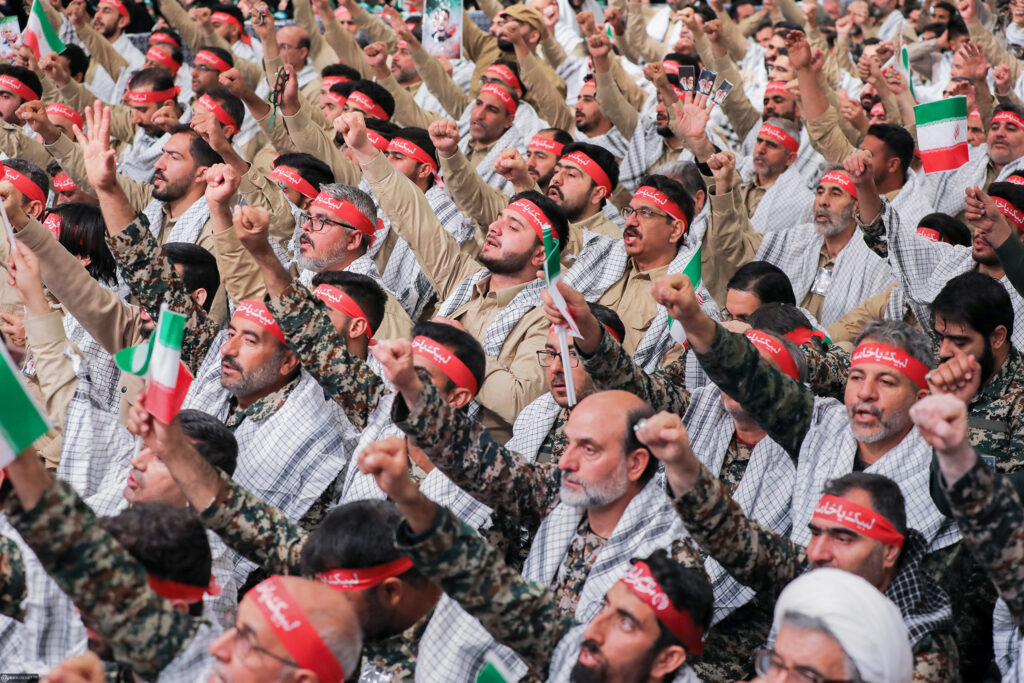
In a rare direct corroboration, two senior Iranian officials—including an active officer within the Islamic Revolutionary Guard Corps (IRGC)—confirmed the operational details to The New York Times, acknowledging under condition of anonymity that Tehran’s target bank has been formally expanded to authorize strikes against American diplomatic and administrative personnel.
 6+
The operational shift followed an urgent and highly irregular intelligence memorandum delivered on Friday to Secretary of State Marco Rubio.
The alert, transmitted by Director of National Intelligence Jay Clayton and synthesizing findings from across the American intelligence community, warned of an acute, tangible, and immediate danger facing State Department personnel deployed globally.The memorandum stated unequivocally: “We have received intelligence that Iran has significantly stepped up its efforts to target American personnel. Lethal planning efforts by the Iranians against United States citizens have reached advanced stages, both in the Middle East and in certain other countries.”
 6+
The Trump administration formally confirmed the document’s authenticity and gravity through official channels after Axios’s initial disclosure. In Washington, officials emphasized that the decision to issue the urgent warning underscores the extraordinary weight assigned to the intelligence, which places civilian and diplomatic personnel under unprecedented operational jeopardy.
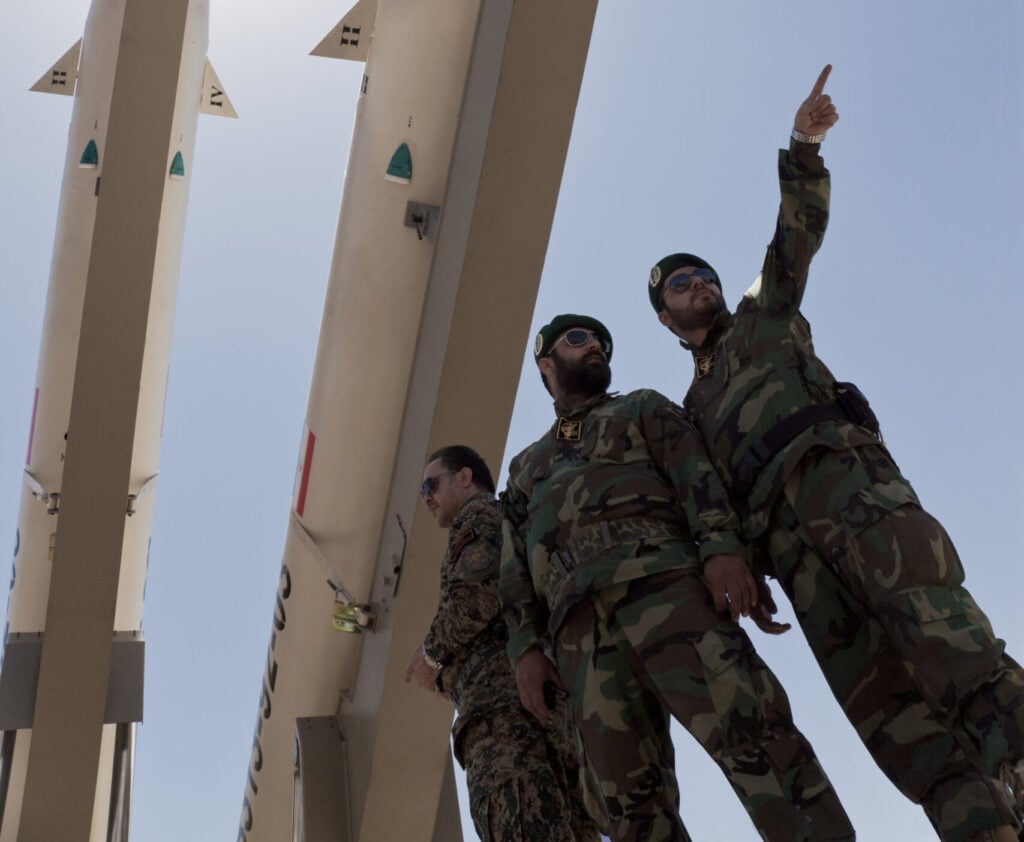
Over the past three weeks, American intelligence agencies have evaluated intercept data and human intelligence pointing to direct targeting schemes aimed at senior dignitaries, including accredited U.S. ambassadors. Multiple operational cells have progressed from conceptual planning into practical logistics.
 6+
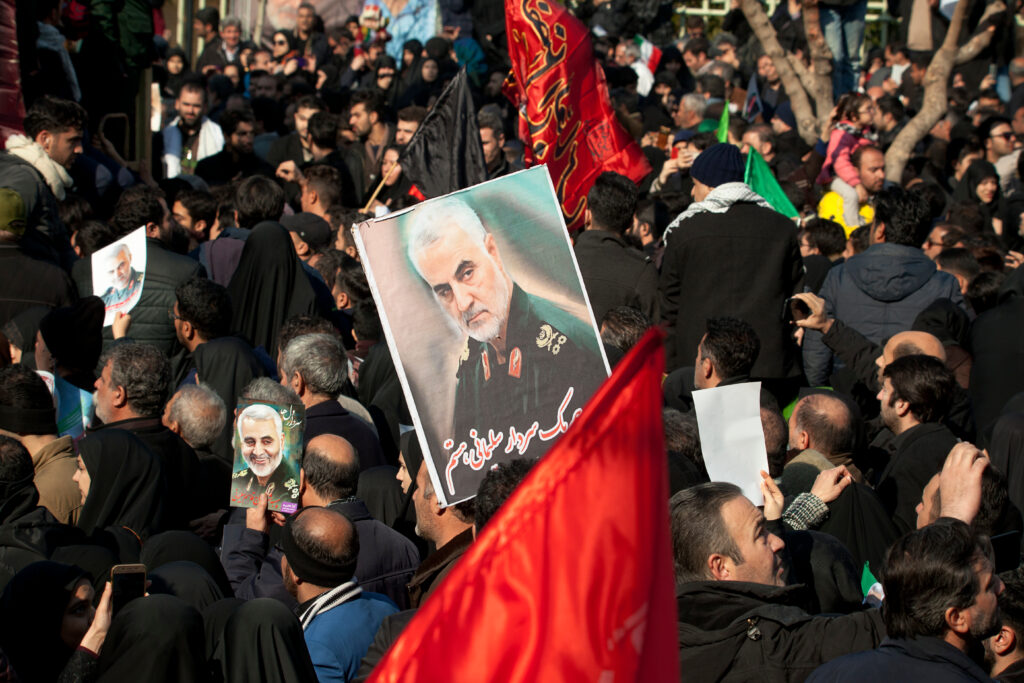
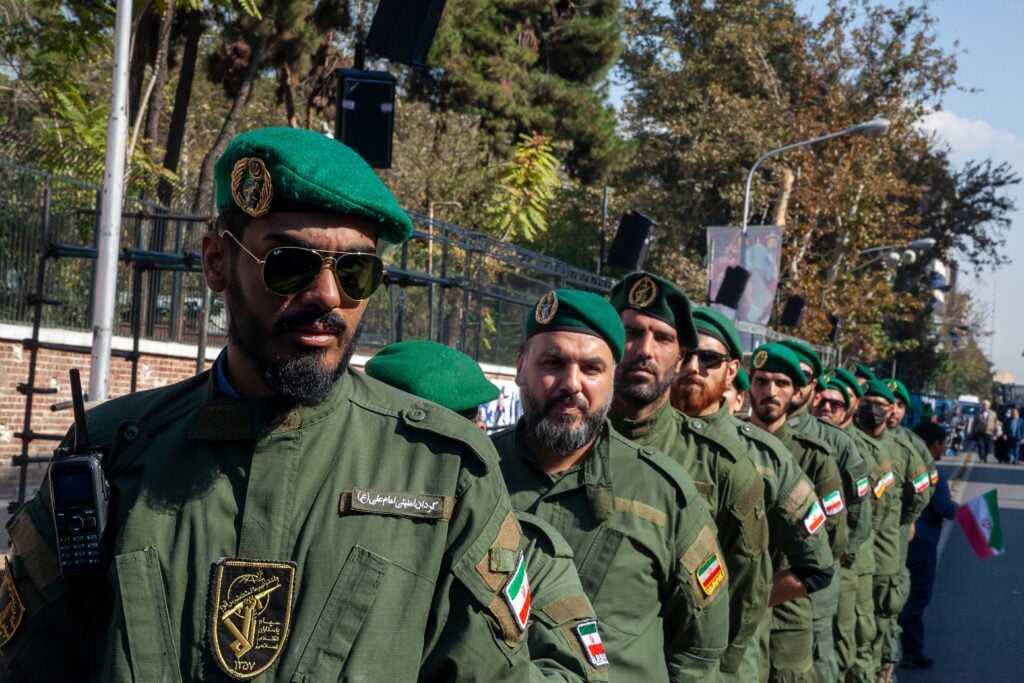
Iranian officials asserted to foreign media that previous American and Israeli counter-terror strikes—which eliminated dozens of IRGC commanders, high-ranking defense officials, and affiliated personnel—provide Tehran with “full justification” to treat American government personnel as legitimate combat targets. While American analysts assess that a gap remains between the regime’s strategic appetite for retribution and its tactical capability to orchestrate complex operations overseas, the threat is being treated as active.
Federal counterintelligence is also scrutinizing potential Iranian operational assets embedded within the continental United States, with tracking data indicating the possible involvement of non-Iranian proxy cutouts. Western security services increasingly fear that even a single successful assassination attempt could trigger a comprehensive, direct military confrontation, particularly given potential American retaliatory strike plans against targets inside Iran.
 6+
The strategic alert extends beyond traditional civilian diplomatic facilities. Earlier in October, the Pentagon executed an unprecedented tactical safeguard by redeploying all 12 of its B-1 strategic bombers from RAF Fairford in southern England, following precise warnings of Iranian intent to target the airfield. Director of National Intelligence Clayton sought to downgrade the security classification of select intelligence materials to ensure immediate dissemination across civil service leadership and allied networks.
In response to the imminent threat matrix, the State Department began immediately reducing its overseas footprint. On Wednesday, the administration ordered all non-essential personnel and family dependents to evacuate Saudi Arabia—a directive confirmed on the record by State Department spokesman Tommy Pigott. Simultaneously, virtually every American diplomatic compound across the Middle East has transitioned to “limited operating status.” This administrative framework permits regional chiefs of mission to discreetly draw down on-site staffing levels without requiring public notifications for each procedural departure.
 6+
A State Department official confirmed: “Regarding the staffing of our embassies, we continuously evaluate incoming information concerning the security environment.” The official noted that the staff drawdowns reflect a compounded threat vector combining escalating missile and drone attacks by Houthi forces in Yemen with Iranian operational plots specifically calibrated against American personnel.
The escalations occur against the backdrop of critical political cycles in both Washington and Jerusalem. While President Donald Trump has withheld authorization for massive kinetic assaults directly on Iranian territory in recent months, the United States military continues to enforce an uncompromising naval blockade and maritime interdiction zone around Iranian export terminals, severely strangling Tehran’s petroleum revenues.
 6+
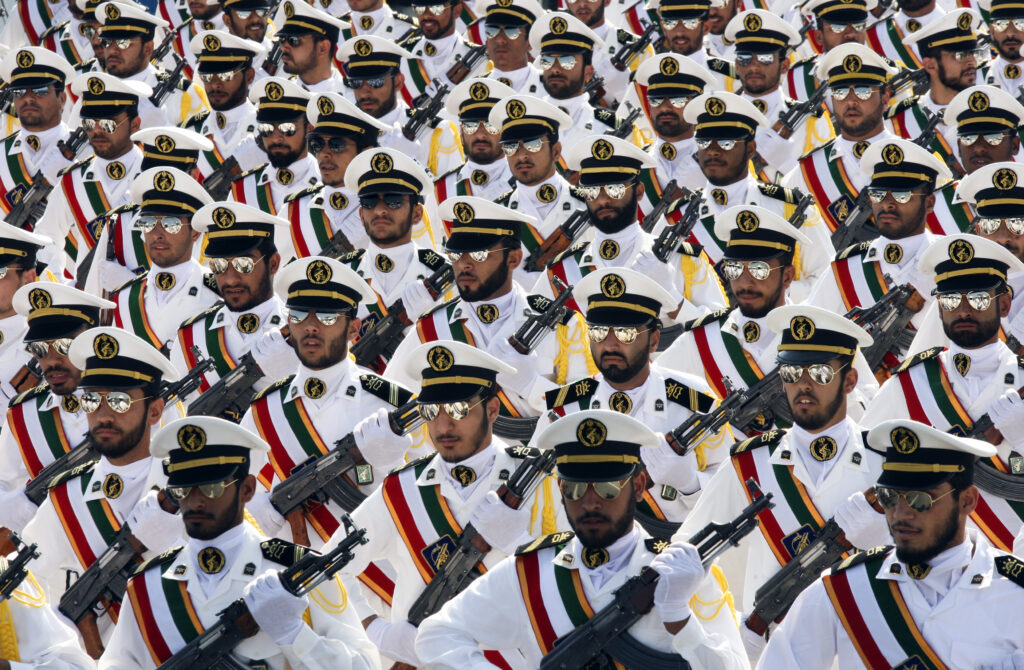
In response to systemic economic pressure, Tehran is attempting to forge asymmetric points of leverage beyond its borders, with regime officials floating threats against global energy refineries, commercial civil aviation routes, and vital undersea fiber-optic telecommunications cables. Mehdi Mohammadi, a senior strategic adviser to Iranian Parliament Speaker Mohammad Bagher Qalibaf, articulated Tehran’s operational posture on social media: “We are in the surprise phase of the war, and we will not fight a conventional war. This will be an asymmetric, intense, and decisive war targeted directly at the enemy’s strengths and vulnerabilities.”