


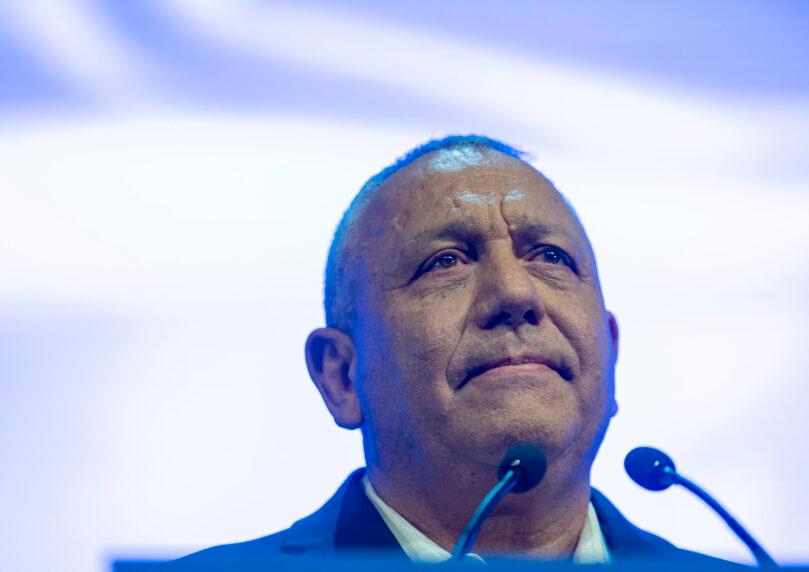

After weeks of controversy over security arrangements for Yashar party leader Gadi Eisenkot, the Shin Bet announced the former IDF chief of staff will be protected by a private security company directed and managed by Unit 730, the agency’s VIP protection division. Under the arrangement, Shin Bet will take professional and operational responsibility for the private detail during routine operations, while Shin Bet operatives will directly protect Eisenkot on election day itself.

 3+
The decision follows months of demands from Eisenkot’s party. During the election campaign, Eisenkot approached Shin Bet chief David Zini, claiming escalating targeted threats against him at rallies and public events. After Israel Police raised his threat level to 4 out of 6, the party sent a sharp letter to the Shin Bet chief and police commissioner demanding immediate state security protection.
The political establishment criticized Yashar’s demand for full Shin Bet protection for Eisenkot. The party tried to justify the request by citing threats and incitement against him, but critics argued that simply running against Prime Minister Benjamin Netanyahu doesn’t automatically entitle him to such security. Decisions on security scope are made according to security officials’ assessments and established criteria.
 3+
Initially, Shin Bet chief David Zini rejected the request to assign Unit 730 to Eisenkot, on professional grounds that he is not defined as a symbol of sovereignty under the law. Later, however, the Shin Bet made an exceptional approval allowing his private guards to carry weapons, and provided them with intelligence support and direct contact with the organization’s command center. Meanwhile, criticism came from former senior Shin Bet officials, who argued that Eisenkot’s personal approach to Zini was designed to undermine the legitimacy of the Shin Bet chief and portray his professional decisions as political.
 3+
Meanwhile, as various parties tried to use the issue for comparisons with security for Netanyahu family members, it was revealed that the prime minister himself approached the Shin Bet chief to examine the required response for the Yashar.
The dispute continued to roll in September, when the advisory committee for VIP protection recommended granting Eisenkot Shin Bet security. However, the ministerial committee on Shin Bet affairs returned the decision to the organization, which announced it would not deviate from procedures and presented a comprehensive framework for all unprotected party leaders.
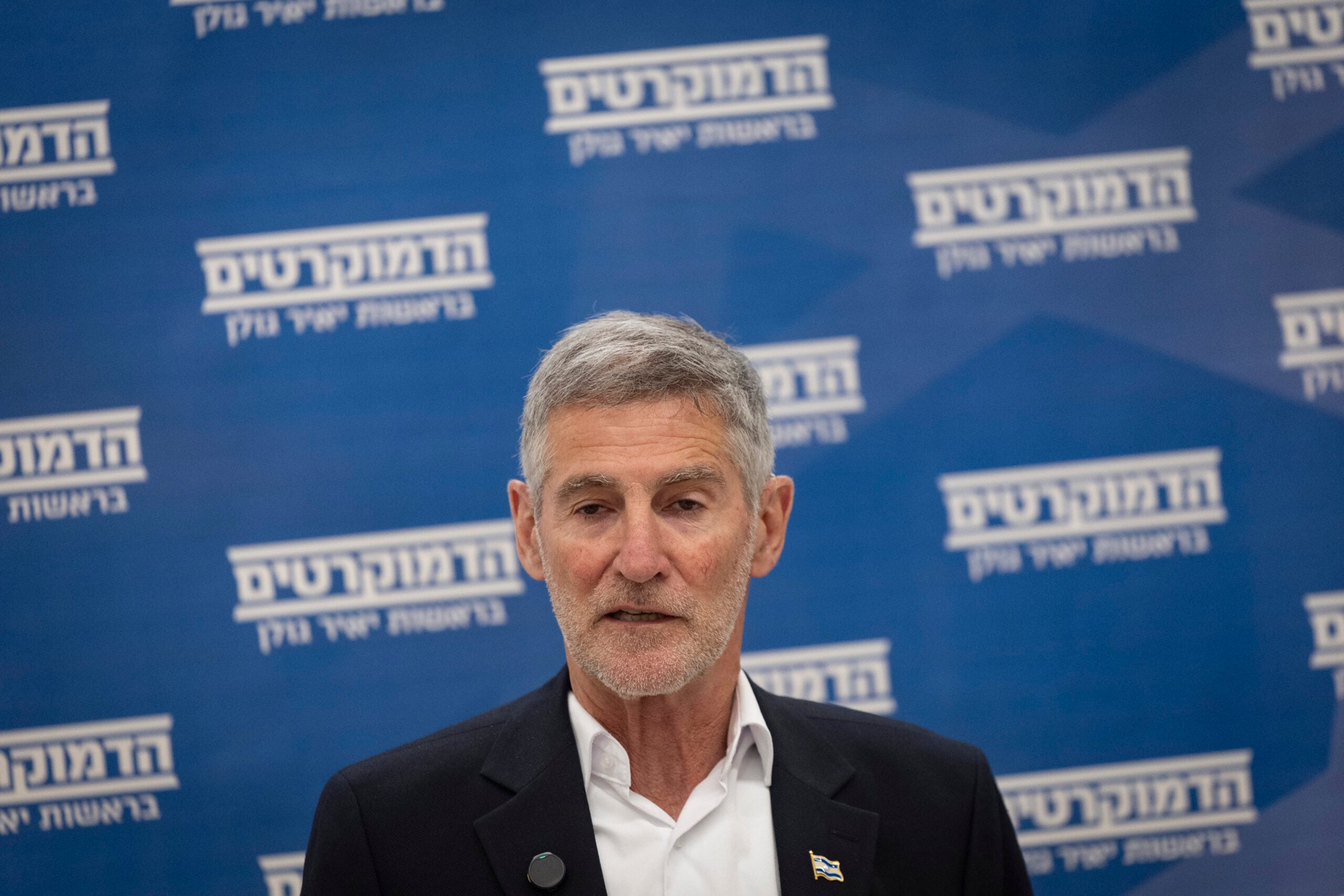
The affair sparked additional echoes when Democrats chairman Yair Golan petitioned the High Court demanding similar security—a move that drew criticism in the political establishment, where they argued Golan was trying to create symmetry with Eisenkot even though his assigned threat level doesn’t warrant dedicated Shin Bet protection.
 3+
Ultimately, the framework formulated in recent days represents a practical compromise: the Shin Bet will not station its operatives for Eisenkot’s daily security, but will directly guide and manage the private company in the field, alongside state security coverage deployed around him in a focused manner only during election day itself.