


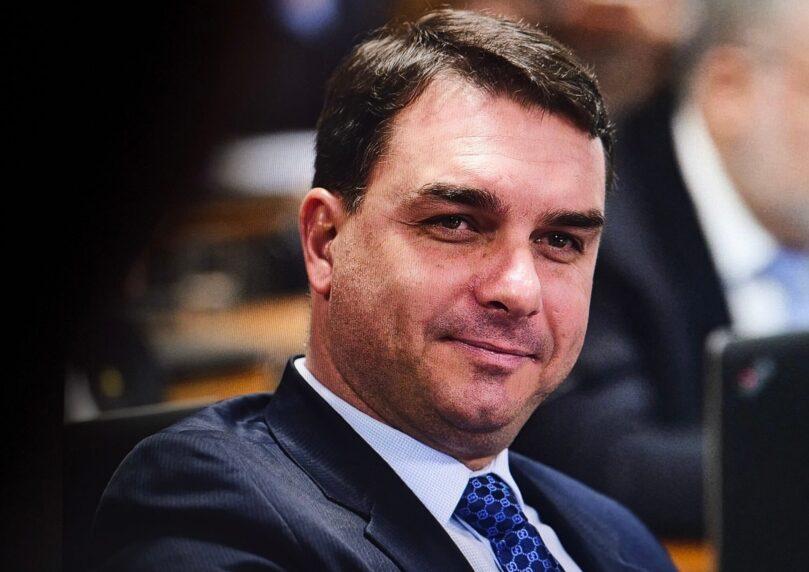

The polling advantage held by conservative Senator Flavio Bolsonaro over Brazilian President Luiz Inacio Lula da Silva has compressed to a single percentage point, according to a Quaest institute survey published on Wednesday, just four days prior to Brazil’s high-stakes presidential runoff.
According to polling data reported by Reuters, the right-wing challenger garnered 45% voter backing compared to 44% for the leftist incumbent. In Quaest’s previous survey released a week earlier, Bolsonaro stood at 46% while support for Lula held steady at 44%. With the poll’s margin of error standing at plus or minus two percentage points, the two contenders remain locked in a statistical dead heat.

 1+
The tightening contest follows the first-round ballot held on October 4, where Bolsonaro delivered an unexpected first-place finish with 47.03% of valid votes against Lula’s 45.16%, according to observer mission reporting from the Organization of American States.
The outcome surprised political analysts after pre-election polling consistently projected an advantage for the sitting president.
Because neither candidate cleared the absolute 50% majority threshold, both advanced to the decisive second-round showdown scheduled for Sunday, October 25.
Senator Bolsonaro is the eldest son of former president Jair Bolsonaro, who remains under house arrest serving a 27-year sentence after being convicted of attempting to overturn the 2022 election results, in which Lula narrowly defeated him. Lula, the 80-year-old standard-bearer of the Brazilian left, is campaigning to secure an unprecedented fourth non-consecutive term in the Planalto Palace.
The broader electoral cycle has been heavily dominated by voter anxiety surrounding the rising cost of living,
public safety, and systemic corruption. 1+
The release of the Quaest figures follows the candidates’ fiery initial televised debate, held in Sao Paulo on Sunday. During the broadcast, the rivals traded fierce accusations regarding financial mismanagement and public graft while locking horns over security. Bolsonaro pledged to formally designate the country’s entrenched criminal factions as terrorist organizations and expand the federal penitentiary system. In contrast, Lula defended his government’s social programs and pledged to establish a standalone federal ministry dedicated to fighting crime if re-elected.
The two presidential contenders are scheduled to face off in their second and final televised debate on Friday, just 48 hours before Brazilian voters head to the ballot boxes to decide the country’s political trajectory.