



The Bank of Israel’s Research Department released a revised macroeconomic forecast on Wednesday, projecting that the national economy will expand by 5.6% this year and accelerate to 7.5% next year. The updated figures represent a significant upward revision from the bank’s previous quarterly estimates released in July, which projected GDP growth of 4.0% for the current year and 5.5% for the following year.

 1+
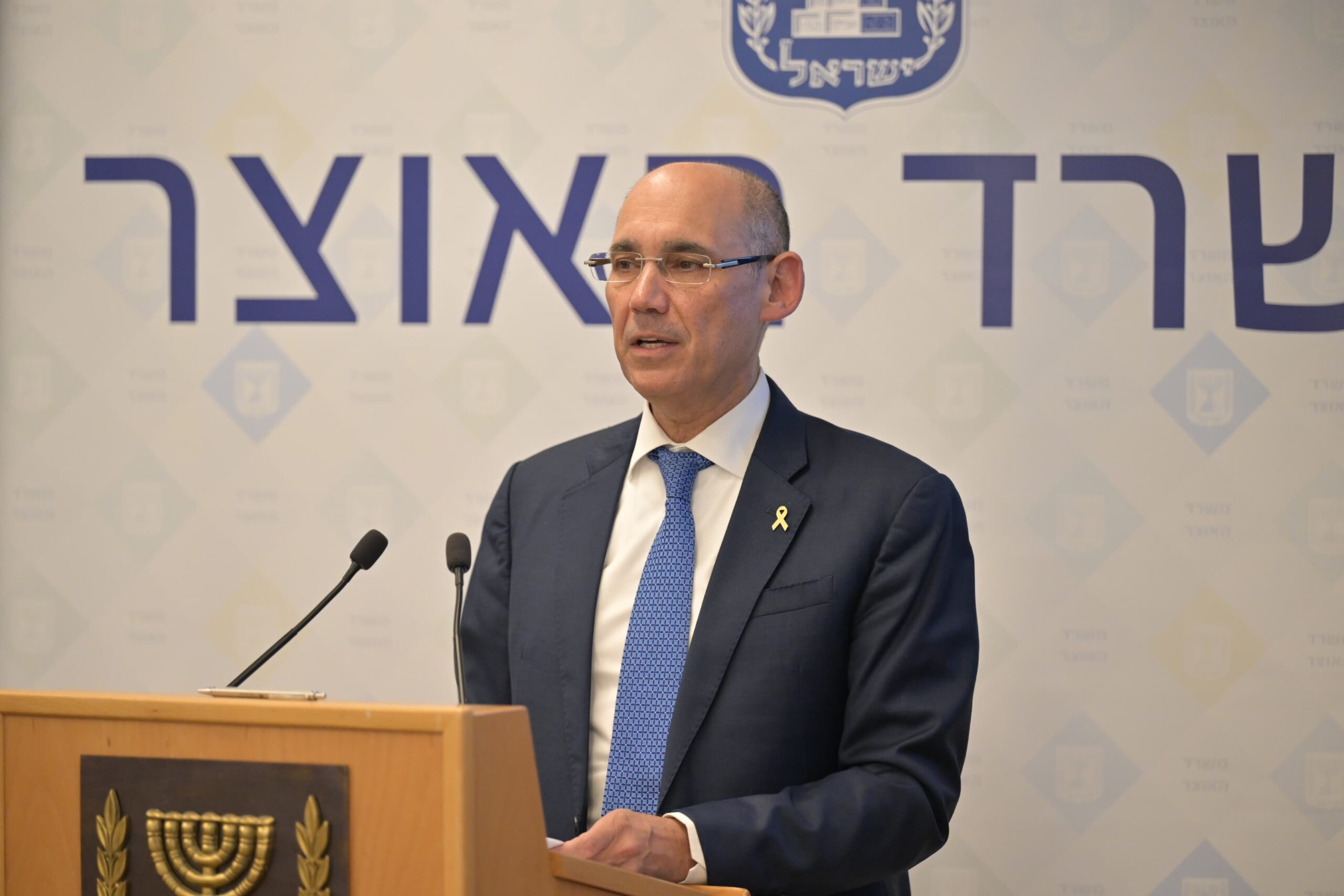
Addressing the revised figures, Bank of Israel Governor Prof.
Amir Yaron explained that a substantial part of the upgraded forecast reflects the growing volume of offshore production by Israeli-headquartered enterprises.
Under international national accounting definitions, goods manufactured by Israeli companies in plants operating outside the country are registered as part of Israel’s aggregate gross domestic product.According to Governor Yaron, this offshore activity has expanded rapidly over the past two years. While it yields substantial corporate tax revenues for the state treasury, it does not fundamentally rely on domestic labor or local physical capital, and the bulk of these corporate proceeds do not directly improve real household incomes inside Israel. Consequently, headline GDP figures can present an overly flattering picture of everyday domestic market conditions.
Strong Growth Even Excluding Overseas Production
To provide a more granular view of the domestic business environment, the central bank also published an adjusted growth metric excluding overseas production. Under this domestic-adjusted calculation, the Israeli economy is projected to expand by 3.4% this year and 5.1% next year. While lower than the gross aggregate figures, these numbers demonstrate robust, above-trend underlying growth across the core Israeli marketplace.
 1+
The Bank of Israel noted that the model assumes operational warfare intensity will remain subdued and does not account for yet-to-be-announced fiscal or taxation policies from the government to be formed after the upcoming Knesset election. Governor Yaron outlined several key risk factors that could affect the trajectory, including broader regional security developments, fiscal uncertainties around state revenues and expenditures, the final size of the defense budget, and developments in the technology and artificial intelligence sectors.
Leading Growth Among Developed Nations
The central bank’s optimistic projections align with recent forecasts issued by the International Monetary Fund (IMF), which place Israel at the top of the developed world in economic expansion. According to IMF estimates, Israel is projected to lead all OECD member states in GDP growth throughout 2026, with an anticipated growth rate of 4.5%, ahead of Denmark at 3.7% and Poland at 3.4%. The projections highlight the Israeli economy’s persistent resilience and rebound capacity despite protracted multi-front security operations and ongoing fiscal demands.