


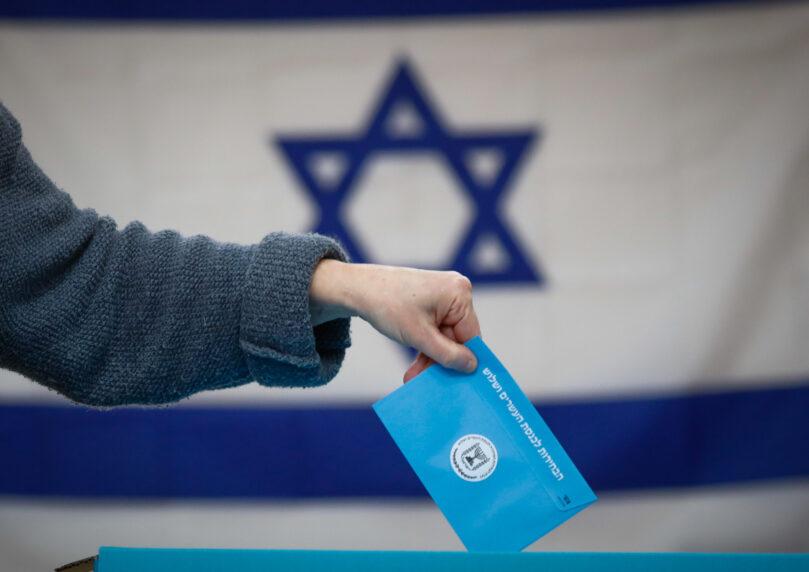

Approximately 67,000 Israeli citizens currently residing abroad are making preparations to arrive in Israel to participate in the 26th Knesset election scheduled for Tuesday, according to updated data released on Thursday by the Fly&Vote initiative, operated by the AID Coalition. The projected figure represents a substantial increase from an estimate of roughly 53,000 voters recorded earlier this month, arriving just five days before nationwide polling stations open.


 2+
The projections are based on a voluntary quantitative survey conducted between October 12 and October 21 among about 23,000 Israelis living overseas. The findings indicate that 79.6% of respondents intend to travel to Israel to exercise their voting rights. By contrast, only 14% of the surveyed cohort reported having traveled to Israel to vote in the preceding parliamentary election in November 2022.
The AID Coalition noted that because the survey was voluntary, it may not represent the entire expatriate demographic. The 67,000-voter estimate is derived from active platform registration metrics rather than verified airline manifests or completed arrivals.
 2+
A geographic breakdown of the respondents reveals that 48% intend to arrive from the United States, 37% from various European nations, 5% from Canada, and 2% from Australia and New Zealand. Additional respondents are based in South America, Asia, and South Africa. About 70% of participants said the initiative’s information and logistics operations influenced their decision to return, while another 25% said the platform helped them plan travel logistics.
The Legal Battle with Likud
The publication of the updated data comes two weeks after the conclusion of a high-profile legal dispute surrounding the initiative. In a formal petition submitted to the Central Elections Committee by Likud through Attorney Ilan Bombach, the party argued that assistance with coordinating flights and logistical services could constitute unlawful electoral benefits under Israeli campaign finance law.
On October 6, the legal proceedings concluded in a compromise agreement before Central Elections Committee Chairman, Supreme Court Justice Noam Sohlberg. Under the approved settlement, Likud withdrew its petition, and Fly&Vote agreed not to subsidize plane tickets, offer proprietary ticket discounts, or organize charter flights beyond the six flights already arranged. The agreement also placed strict limits on ancillary travel services, including subsidized lodging and dedicated ground transport.
 2+
Following the ruling, Likud framed the settlement as a vital enforcement of campaign finance guardrails. At the same time, the organizers emphasized that the project’s core mission remained legally intact, allowing it to continue advising overseas Israelis on logistical arrangements. Under Israeli law, with rare exceptions for diplomats and deployed state personnel, citizens abroad cannot vote via absentee ballot and must appear in person at an official polling booth.
AID Coalition President Yehonatan Bar-Sadeh highlighted the dedication of returning citizens, observing that many are bearing significant financial and personal burdens to participate in the vote. “The future of the State of Israel matters to them to such an extent that they are taking leaves of absence from workplaces and academic studies,” Bar-Sadeh said.
How Many Seats Are 67,000 Votes Worth?
If the projected turnout of 67,000 expat voters materializes at the ballot box, it would represent a voting bloc equivalent to about 1.7 parliamentary seats, assuming a baseline of roughly 40,000 votes per mandate. However, political analysts caution that this does not automatically translate into a gain for any specific party or political bloc. The eventual distribution of seats remains dependent on how these ballots disperse across party lists, whether any beneficiary factions fail to clear the 3.25% electoral threshold, and how surplus vote-sharing agreements are calculated under the Bader-Ofer system.