


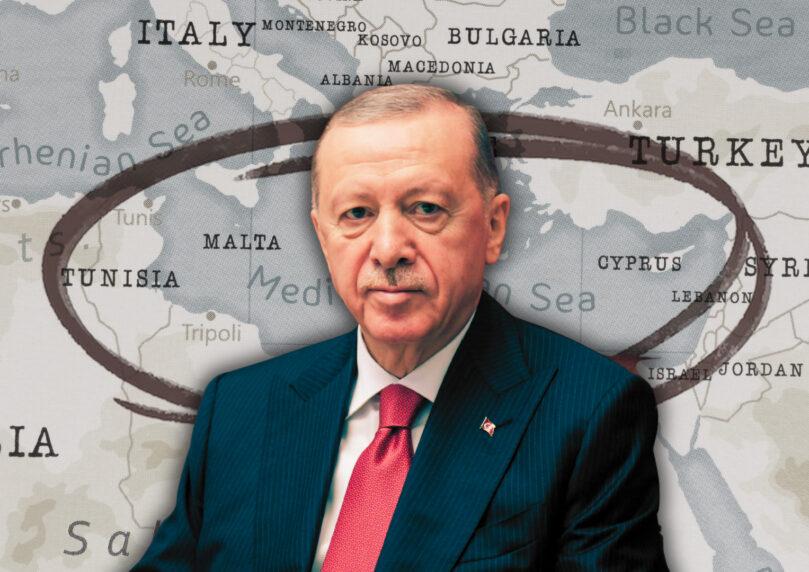

Seven years after signing their initial contentious memorandum of understanding, Turkish President Recep Tayyip Erdogan has deepened maritime coordination with Libya, as the Libyan House of Representatives formally ratified Turkey’s proposal to demarcate the maritime boundary in the Mediterranean Sea. While Ankara frames the pact as an energy security initiative to address resource shortages, regional analysts view the move as an aggressive geopolitical maneuver to assert Turkish maritime dominance across critical international shipping lanes.

 1+
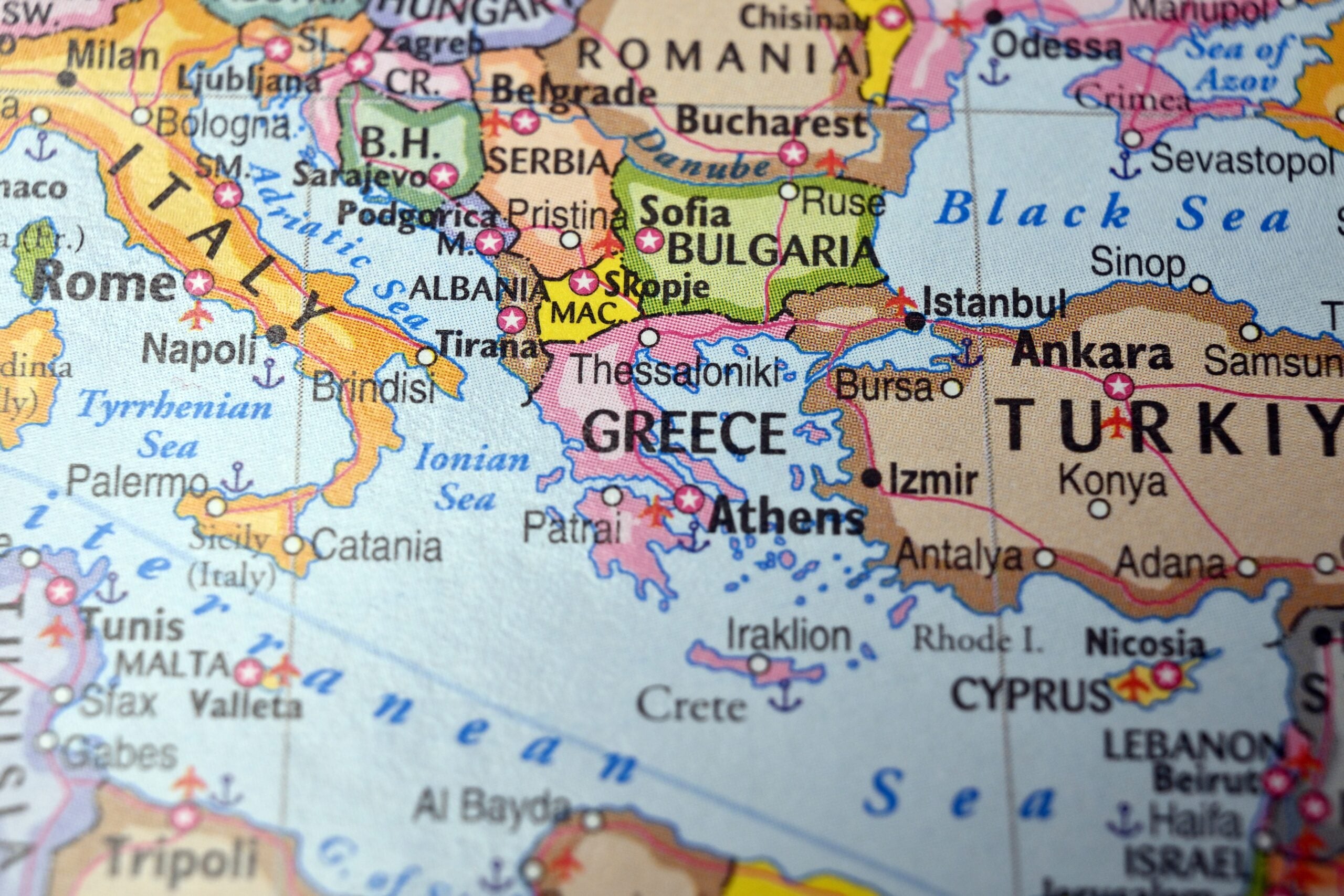
The agreement establishes a unilateral maritime corridor linking the southern Turkish coastline directly with the shores of Libya, granting both parties asserted exclusive rights to explore, drill, and extract natural gas and oil, as well as construct undersea energy and pipeline infrastructure. Crucially, the boundaries established under the accord run directly through waters surrounding major Greek islands—including Crete, Rhodes, and Karpathos—completely ignoring their geographic existence and sovereign maritime rights. European defense officials assess that Erdogan’s initiative represents a calculated attempt to trap regional rivals Greece and Cyprus. By driving a geopolitical wedge across the Aegean and Eastern Mediterranean, the corridor is engineered to sever unimpeded access between Athens and Nicosia, obstructing Greece’s commercial access to the Suez Canal while isolating Cyprus from the wider European continent and the Strait of Gibraltar.
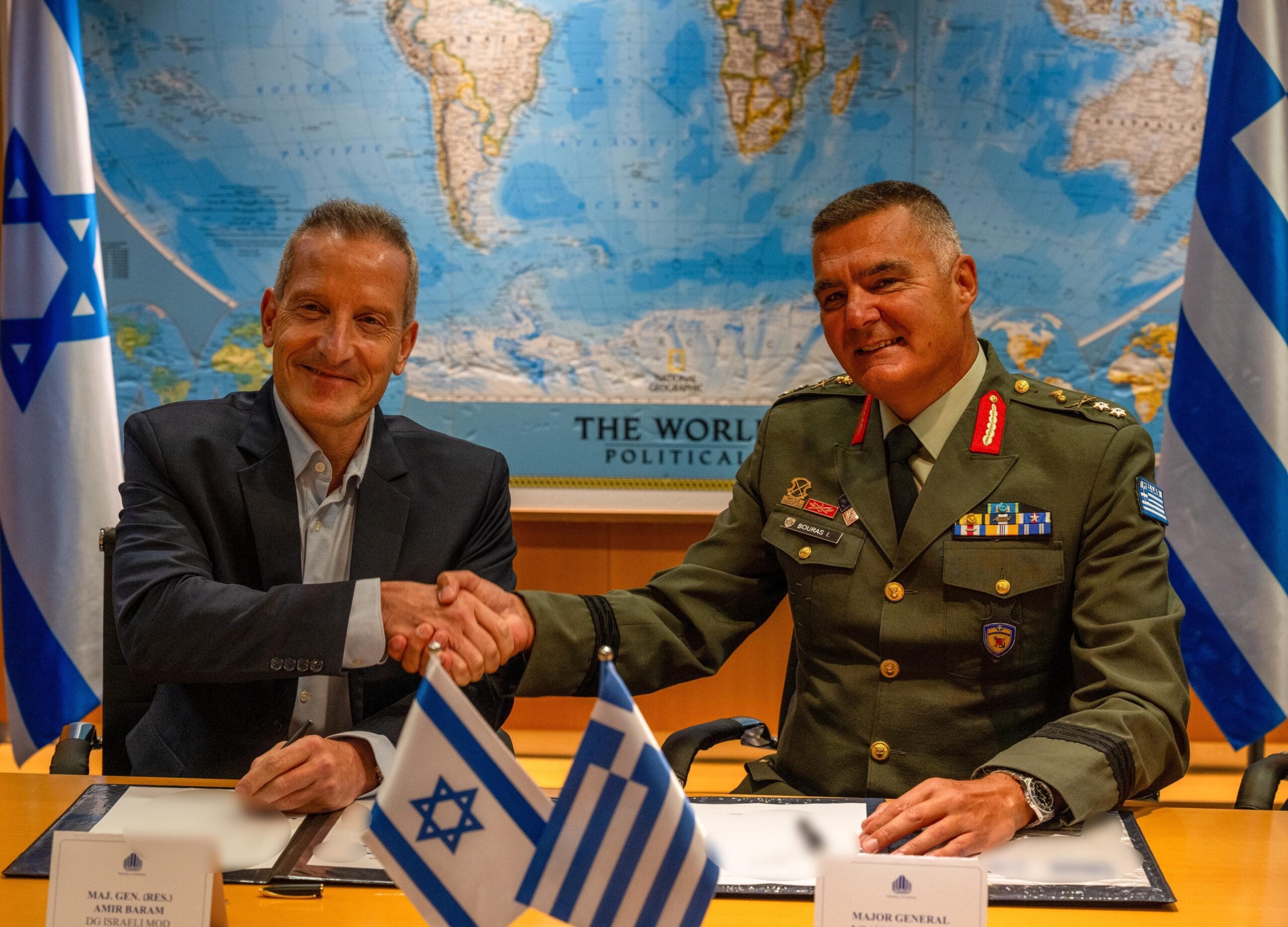
The development carries direct implications for Israel’s strategic posture in the region. The mapped corridor cuts across the maritime axis connecting Israel, Cyprus, and Greece, coming shortly after Jerusalem and Athens signed a historic 10 billion shekel defense procurement agreement. The deal represents the largest defense export transaction in Israeli-Greek bilateral history and one of the largest single defense contracts ever executed by Israel’s Defense Ministry. This development triggered sharp disapproval in Ankara.
 1+
Is This Legal?
The international community moved swiftly to reject the accord’s validity. In a joint declaration, European Commission President Ursula von der Leyen and European Council President Antonio Costa stated that the European Union deplores the ratification of the agreement, affirming that it infringes upon the sovereign rights of third countries, violates the United Nations Convention on the Law of the Sea (UNCLOS), and holds no legal standing. The EU leadership underscored its unconditional solidarity with member states Greece and Cyprus.
The Greek Foreign Ministry issued a firm rebuke, noting that Turkey and Libya possess neither opposite nor adjacent coastlines that would permit a lawful bilateral maritime delimitation under international jurisprudence. Athens called on Libyan authorities to refrain from destabilizing unilateral moves, warning that Greece will deploy all necessary diplomatic and legal measures to safeguard its sovereign rights. Conversely, the spokesperson for Turkey’s ruling party lauded the ratification, claiming the vote substantiates the historical and legal legitimacy of Ankara’s “Blue Homeland” maritime doctrine while dismissing European rebukes as unenforceable rhetoric detached from realities established at sea.