


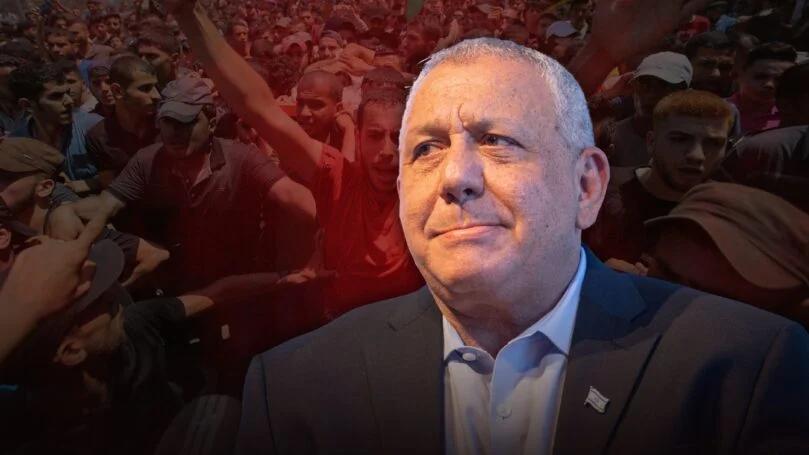

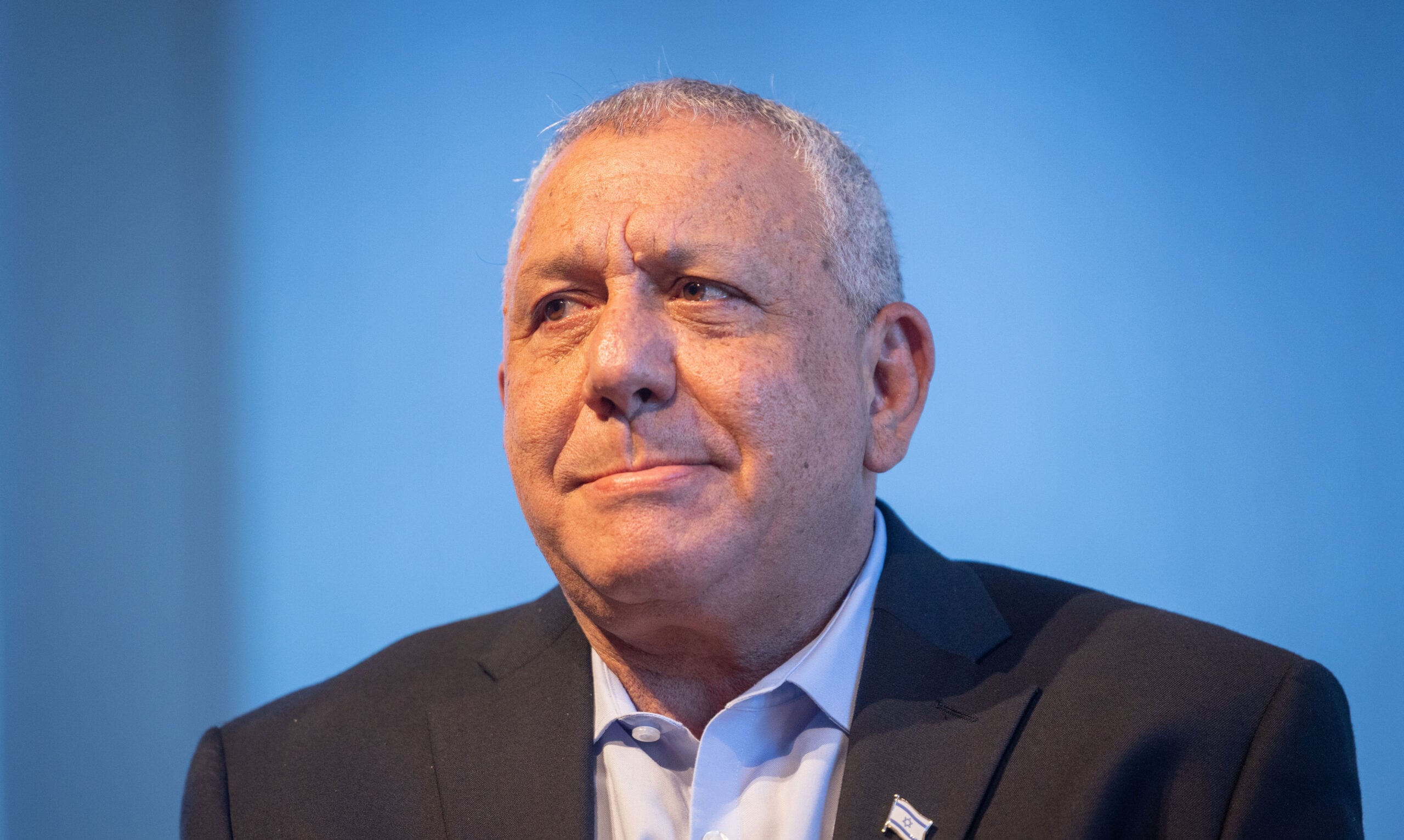
Five days before Israel’s elections, Gadi Eisenkot, chairman of the Yashar party and former IDF chief of staff, laid out sweeping changes he plans for Judea and Samaria if he leads the next government. At a campaign event Wednesday night in Modi’in, Eisenkot vowed to restore administrative detention orders, abolish the additional minister position in the Defense Ministry currently held by Bezalel Smotrich, and allow tens of thousands of Palestinian workers back into Israel.

 5+
“We’ll restore administrative detention, abolish the additional minister in the Defense Ministry, and bring in 60-70 thousand workers who received permits from the Judea and Samaria into Israel,” Eisenkot declared in response to a question about his policy on Judea and Samaria. He said he also plans to demolish illegal construction in the area, as part of reversing the current government’s policies.
One of his most significant pledges concerns bringing back ‘Palestinian’ workers, whose entry into Israel has been severely restricted since the October 7 massacre. Eisenkot argued that current policy doesn’t actually prevent Palestinians from entering Israel—it just forces tens of thousands to enter and work illegally.
 5+
According to Eisenkot, there are currently 40-60 thousand workers who become illegal residents because of the restrictions. Instead, he wants to regulate the entry of workers from the West Bank who have passed Shin Bet security checks and received work permits.
Already Talked About 120,000 Palestinian Workers
The Modi’in declaration isn’t the first time Eisenkot has voiced support for bringing ‘Palestinian’ workers back to Israel. Earlier this month, he addressed the issue at length and clarified that he distinguishes between workers from Judea and Samaria and workers from Gaza. In that interview, he explained that his previous statements about bringing in around 120,000 workers referred only to Judea and Samaria residents.
Eisenkot also addressed the employment of ‘Palestinian’ workers in industrial zones and communities in Judea and Samaria, claiming that even right-wing local leaders rely on their labor. “After all, Yossi Dagan, head of the Samaria Regional Council, wouldn’t agree to let 14,000 Palestinian workers into the Barkan industrial zone, right? And you can’t accuse him of being a leftist. So this isn’t a matter of left or right,” he said.
 5+
In that same interview, Eisenkot addressed an earlier statement in which he mentioned Gaza in the context of bringing workers into Israel. The former chief of staff claimed it was a mistake in his words, and that he meant workers from Judea and Samaria. To clarify his position, he declared: “As far as I’m concerned, not a single worker will leave Gaza for the next hundred years.”
Eisenkot emphasized that during his tenure as chief of staff, he opposed letting workers in from Gaza, partly because Hamas holds the bodies of fallen IDF soldiers Hadar Goldin and Oron Shaul. “As chief of staff, I ordered not to let in a single worker for four years,” he said, and criticized the decisions made after his tenure ended that allowed thousands of workers from the Strip to enter.
 5+
Support for bringing back workers from Judea and Samaria fits with the security approach Eisenkot has presented before. Even during his tenure as chief of staff, at the height of a wave of terror attacks, he emphasized the distinction between the population of workers holding permits and those carrying out attacks. In a public statement at the time, he noted that out of 120,000 work permit holders in Israel, one carried out an attack, and presented the figure as part of his explanation of terror characteristics.
Abolishing Smotrich’s Role and Changing West Bank Policy
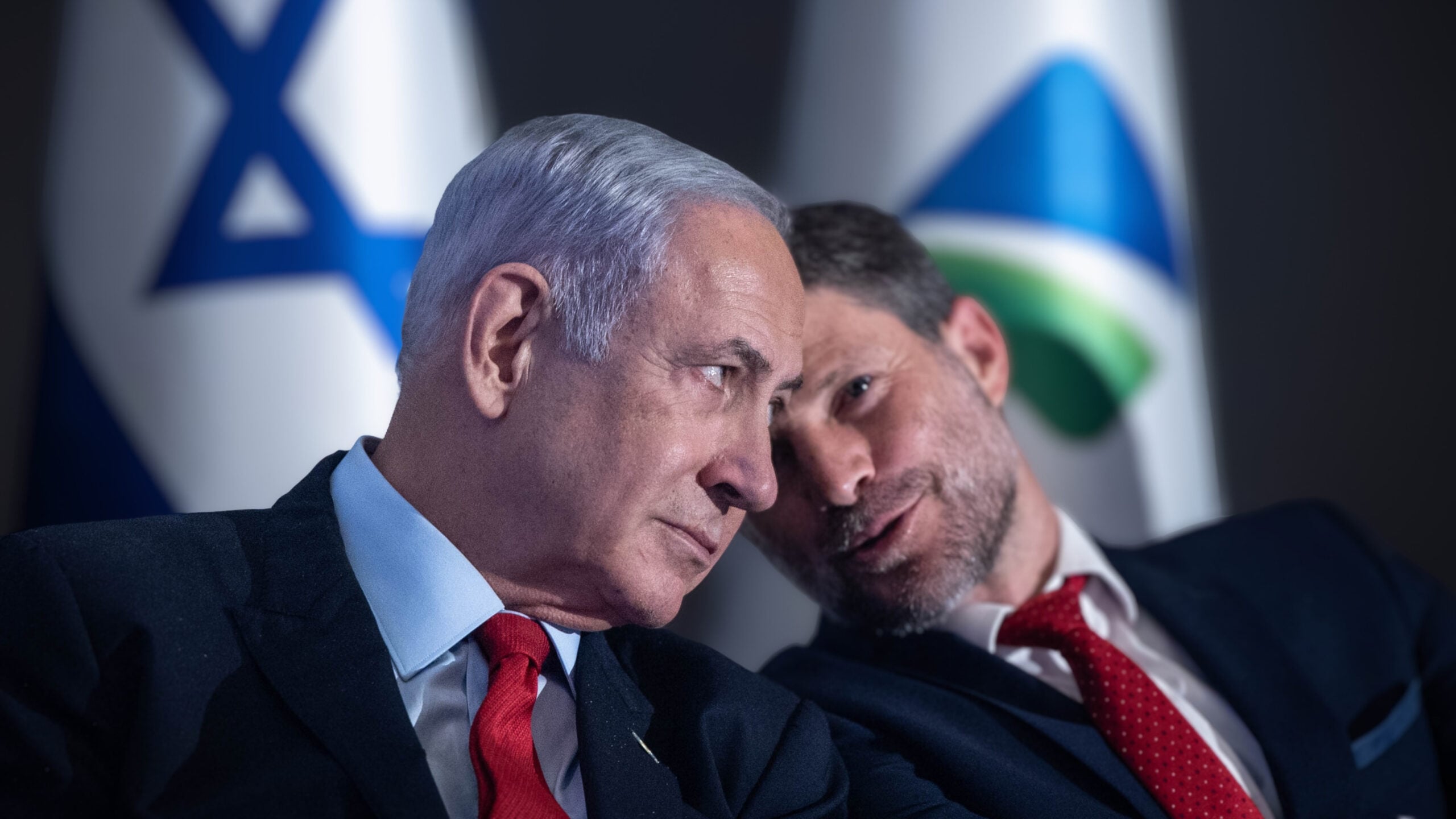
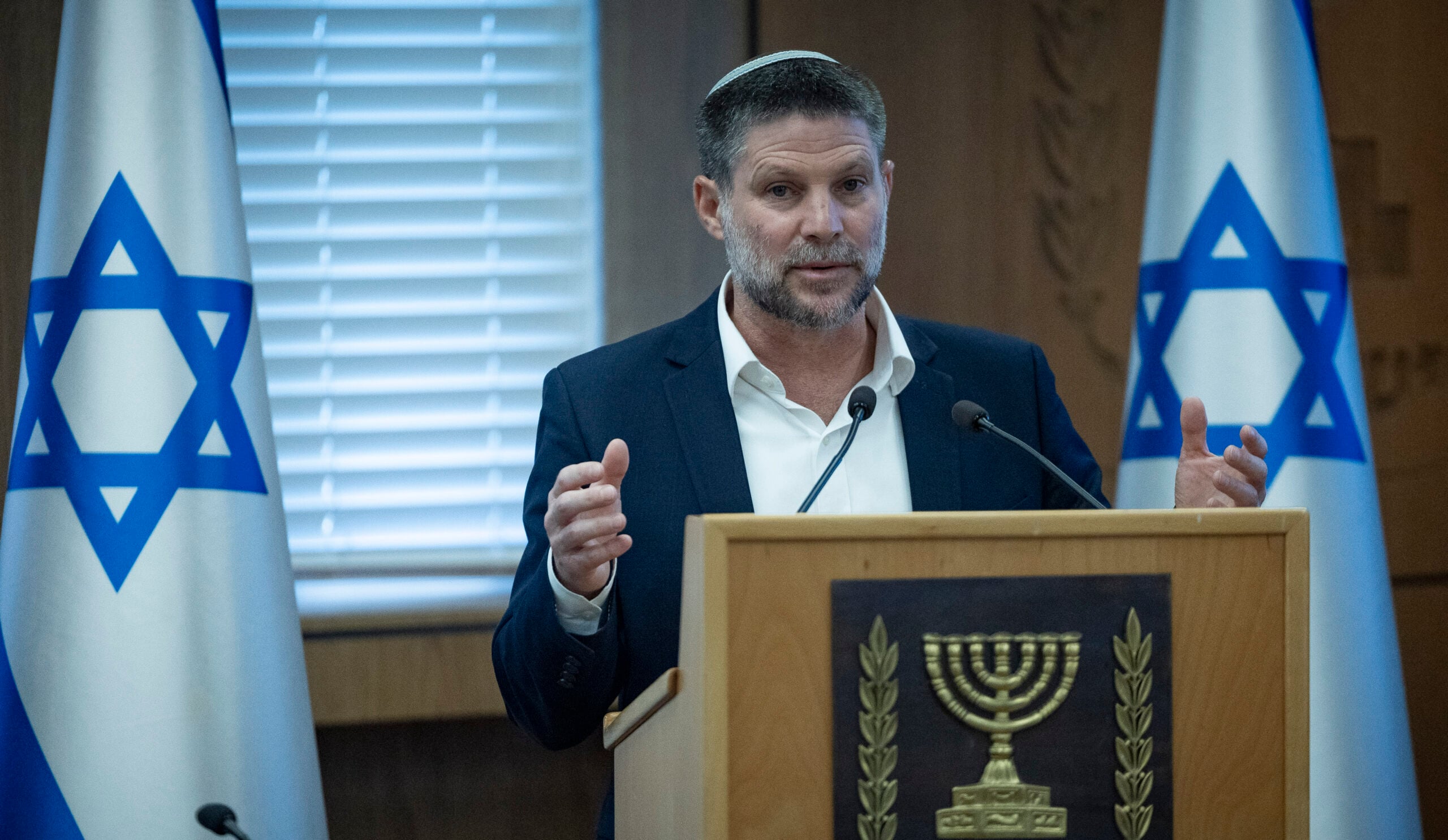
Alongside the workers issue, Eisenkot pledged to abolish the additional minister position in the Defense Ministry, which was created as part of coalition agreements and gave Finance Minister Bezalel Smotrich significant civilian powers in Judea and Samaria, including in planning, construction, and enforcement.
 5+
The declaration adds to criticism Eisenkot has voiced before about Smotrich’s conduct in the area. Last August, he claimed that transferring powers to the finance minister damaged the IDF’s standing in Judea and Samaria, and called for returning primary responsibility for what happens on the ground to the military. In another interview, Eisenkot clarified that he supports Jewish communities in Judea and Samaria, but only when it’s carried out according to law and Israel’s national interests. At the same time, he criticized what he called a loss of governance and control in the area.
Close 13 Government Ministries and Limit Prime Minister’s Tenure
During the event, Eisenkot also presented a series of changes he wants to advance in the government’s structure. He said he plans to significantly reduce the number of government ministries and eliminate 13 of them. “We’ll cut the number of government ministries from 37 to 24,” Eisenkot pledged, as part of his plans to restructure the government and reduce the number of ministerial positions.
 5+
In addition, the Yashar chairman promised to advance a limit on the prime minister’s tenure to just eight years. Eisenkot justified his position by arguing that “power corrupts” and presented the term limit as one of the changes he wants to make in Israel’s governing system.