


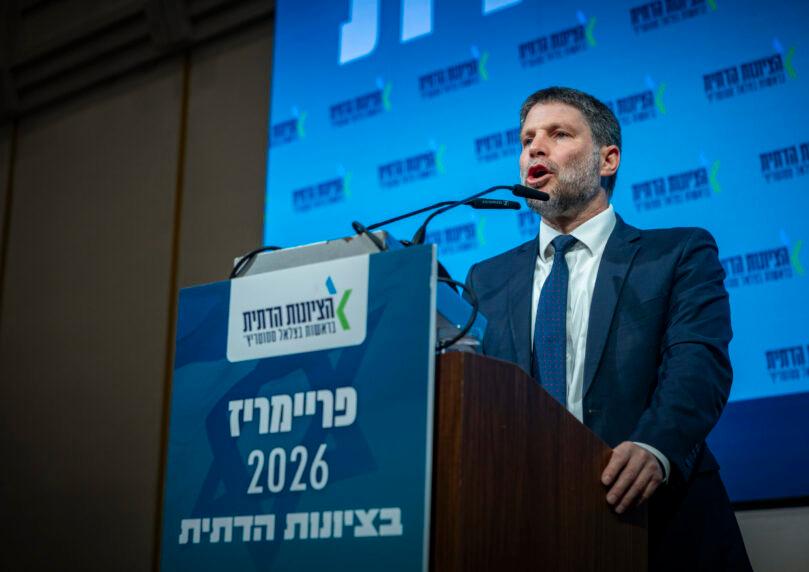

While Israel’s political arena remains consumed by frantic campaigning, fluctuating polls, and mutual recriminations, one leader in the national camp has consistently acted as the responsible adult in the room: Finance Minister Bezalel Smotrich. The reality must be stated plainly: Smotrich is the only politician on the Israeli right who has repeatedly proven willing to pay a steep personal and factional price to prevent a catastrophic repeat of the 1992 election disaster, when fractured right-wing votes ushered in an era of national upheaval.
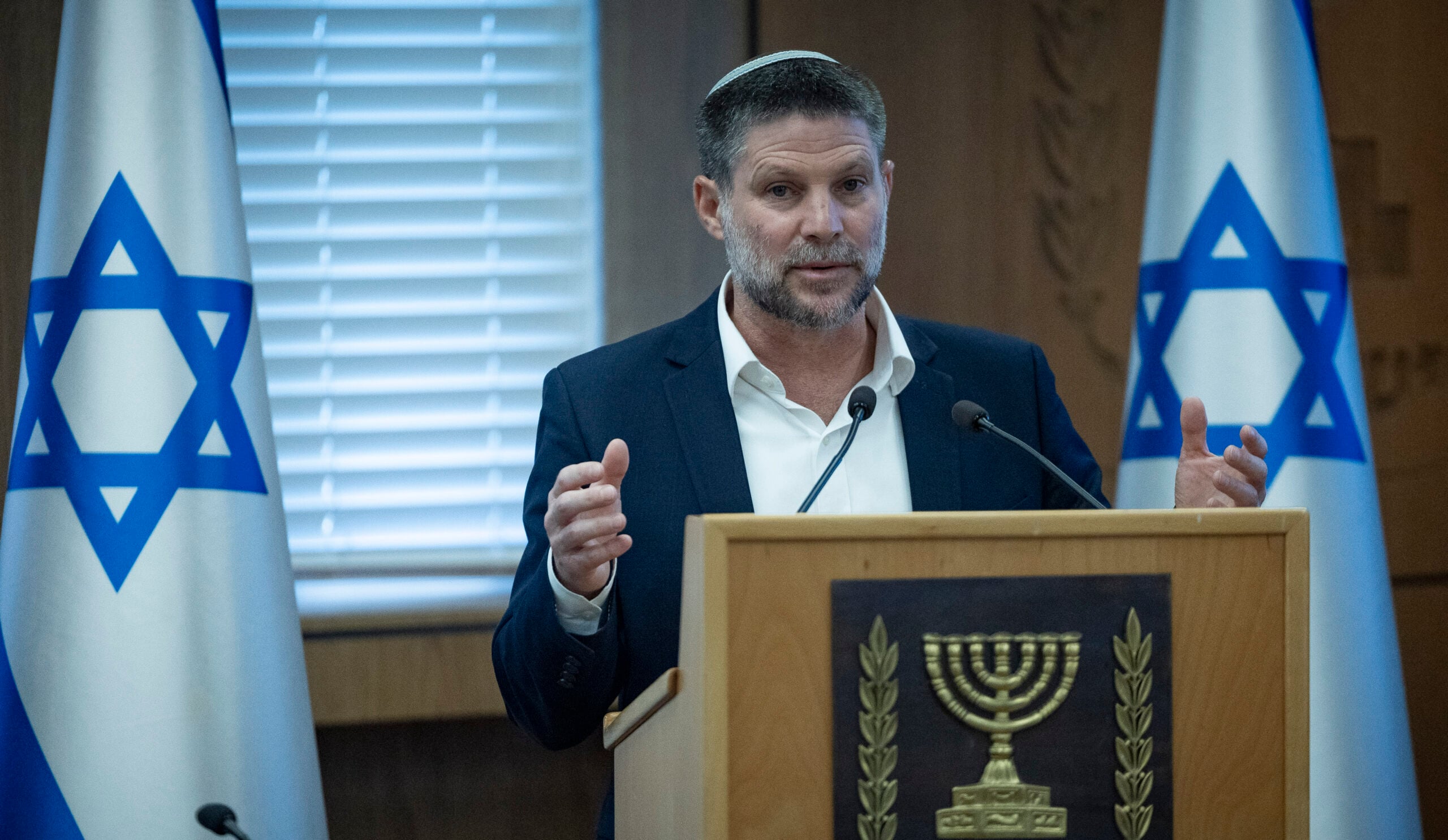
He proved this commitment with Moshe Feiglin. When others hesitated, fearful that an alliance with Zehut would drive voters away, Smotrich shouldered the political burden himself. He recognized that consolidating forces and preventing the squandering of tens of thousands of ideological right-wing ballots was paramount, even if it invited sharp criticism and trimmed his own factional representation.
He pursued the same path with former IDF Brigadier General Ofer Winter. Long before the candidate lists were locked, and before any other party opened its doors, Smotrich offered Winter the top spot on the Religious Zionism Knesset slate—not the fifth or tenth slot, but the chairmanship. He offered him genuine partnership, acknowledging that Winter represents an authentic, combative Zionist voice that the Israeli right desperately needs. Winter refused.
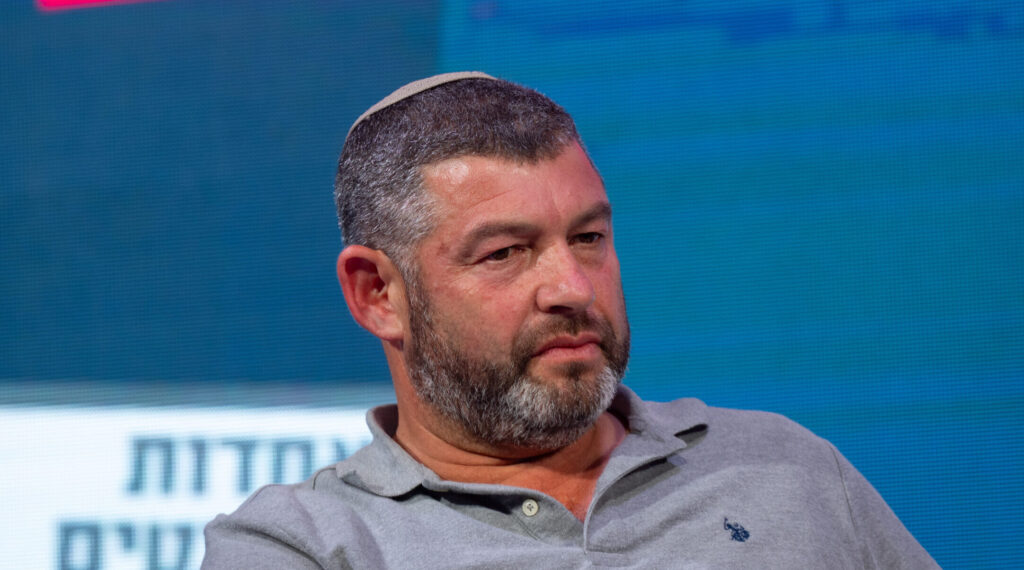

Now, as the campaign enters its final stretch, Smotrich is doing it yet again. Facing severe polling pressure and fully aware of the intense competition for right-wing ballots on election day, Smotrich continues to coordinate in lockstep with Prime Minister Benjamin Netanyahu. This alignment does not stem from weakness, but from a profound sense of national responsibility. Smotrich understands that the right-wing bloc’s victory supersedes the narrow interests of any individual party.
In an unprecedented development in Israeli parliamentary politics, Smotrich made an extraordinary move: offering Winter a sweeping political package funded entirely from his own pocket. Not at the expense of the Likud, and not via synthetic state appointments, but drawn straight from Religious Zionism’s future coalition allotment.
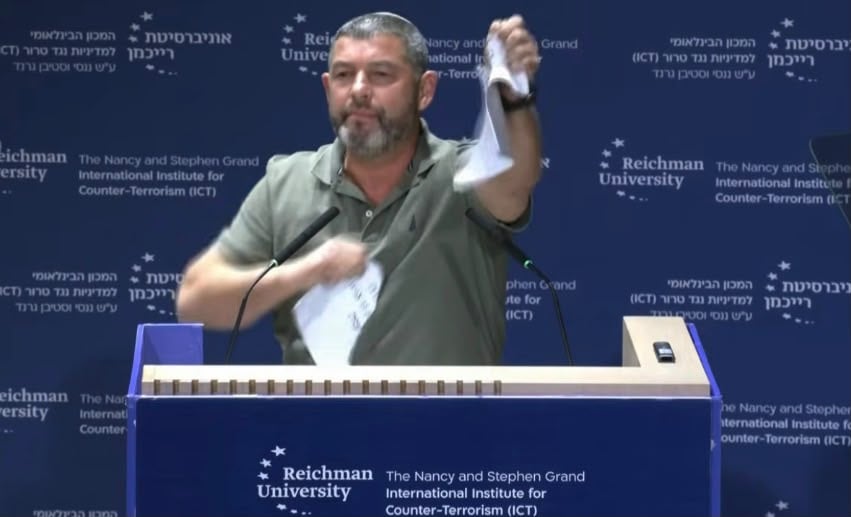
Smotrich declared his readiness to surrender a ministerial portfolio belonging to his party to Winter, proposing him as a Minister within the Ministry of Defense tasked with heading two critical directorates: the voluntary migration of Gaza residents and Haredi conscription. All of this was designed with a single overarching goal: ensuring Winter does not burn precious votes beneath the electoral threshold and place right-wing governance in mortal jeopardy. No other party leader in contemporary Israeli politics has ever offered to relinquish his own ministerial allotment to prevent ideological splintering. While rival factions engage in internal vitriol, mudslinging, and negative campaigning, Smotrich remains exclusively focused on unification and stability.
Smotrich has fulfilled his duty: he extended every possible hand, proposed every constructive compromise, and shouldered full accountability. Less than a week before the polls open, only one question remains: will the right-wing electorate reward principled responsibility, or will it once again take for granted the only responsible adult left standing?