


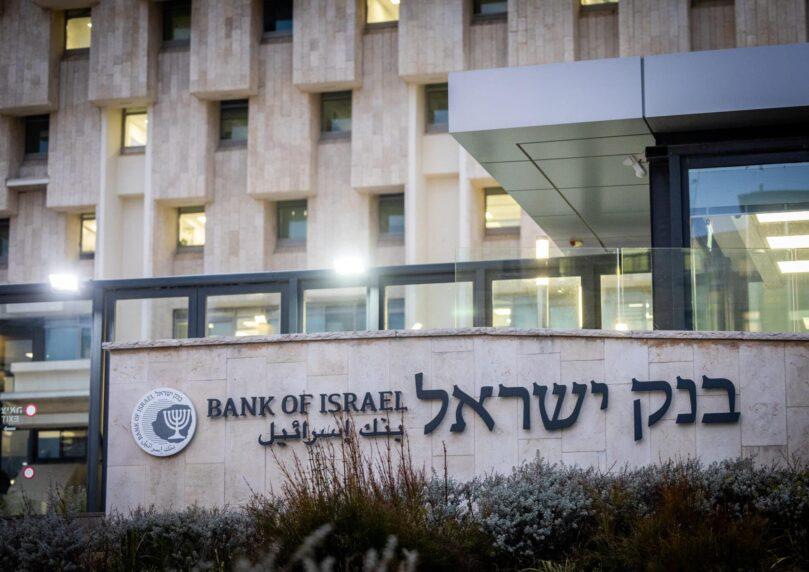

The Bank of Israel decided Wednesday to keep its benchmark interest rate unchanged at 3.25%, ending a cycle of three consecutive rate cuts. As a direct result, the commercial prime rate remains anchored at 4.75%.


 1+
The monetary policy decision arrived despite consumer price index (CPI) figures released last week that pointed to a larger-than-anticipated drop in domestic inflation. However, institutional analysts largely expected the central bank to withhold another immediate cut, mainly because of the widening interest rate differential between Israel and the United States.
With the U.S. Federal Reserve rate currently at 4.00%, a wider spread against the Israeli rate risks putting downward pressure on the shekel, which would, in turn, raise import costs and fuel imported inflation.
 1+
No Change for Households
Beyond purely macroeconomic considerations, political timing played a significant role in the Monetary Committee’s deliberation. With the national election scheduled in just six days, enacting an interest rate reduction on the eve of the vote risked being seen as an intervention with political undertones. Under these sensitive circumstances, the Bank of Israel preferred to maintain an unchanged policy posture, opting to await further post-election economic data before committing to another round of monetary easing.
For Israeli households and businesses, the decision means no immediate change in monthly repayment obligations for loans and mortgages linked to the prime rate. The cost of variable-rate consumer and business credit is not expected to shift in the immediate term solely on account of the central bank’s announcement, although commercial bank lending terms and credit spreads will continue to determine real-world borrowing costs.