




Russia delivered an unprecedented direct threat to Germany following the drone attack on Leipzig-Halle Airport in August, warning Berlin that the failed operation will not be the last and that Moscow intends to expand operations against targets across Europe,
The Wall Street Journal reported on Wednesday. According to the report, a senior Kremlin official initiated direct contact with an official in Berlin to deliver the message, underscoring growing Russian willingness to conduct kinetic sabotage operations inside NATO member states.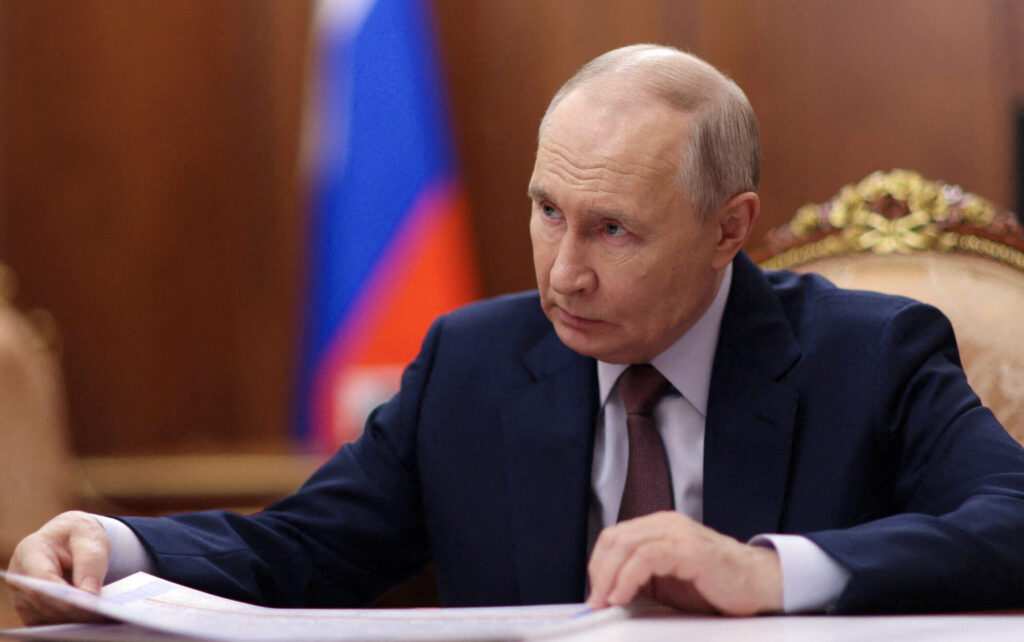

 2+
The warning follows an operation attributed by Western intelligence agencies to Russia’s military intelligence service, the GRU, in which explosive-laden drones struck aircraft at the German airport.
One of the drones collided with an Antonov cargo aircraft utilized to transport Western military equipment to Ukraine, though the explosive payload failed to detonate.
A second drone hit another aircraft, while a third exploded near the airport’s perimeter security fence.German investigators quoted in the report confirmed that the explosive devices had been specifically engineered to maximize human casualties, utilizing ball bearings and metal fragments designed to disperse high-velocity shrapnel upon detonation. Security authorities in Berlin assessed that had the operation detonated as designed, it would have resulted in catastrophic casualties.
 2+
German Fears: Russia Preparing for More Strikes
The incident’s severity triggered urgent consultations at the highest levels of the German government. According to the report, advisers to Chancellor Friedrich Merz confirmed that, in the event of substantial civilian or military fatalities, Germany would have actively weighed invoking NATO’s Article 5, the cornerstone collective defense clause under which an armed attack on one member is deemed an attack on all.
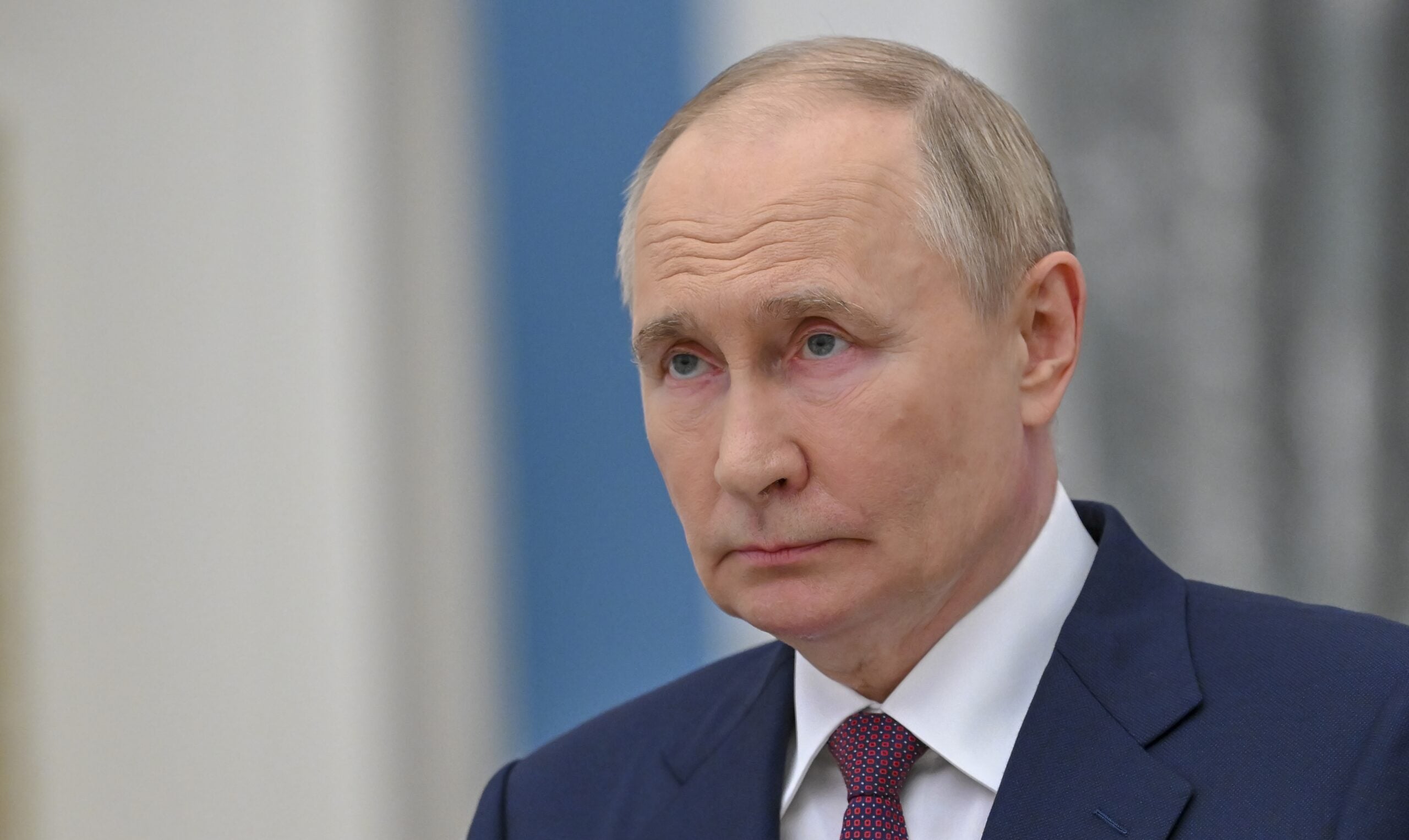
Western security officials assess that the Leipzig attack was part of a coordinated escalation in Russian sabotage operations throughout Europe, authorized directly by Russian President Vladimir Putin. Western intelligence agencies report mounting frustration in Moscow over the attritional trajectory of the war in Ukraine and the absence of diplomatic movement, leading the Kremlin to intensify covert aggression against European nations providing vital backing to Kyiv.
 2+
Security concerns within Germany deepened further following the discovery in September of another drone laden with high-grade explosives near Wunstorf Air Base.
In response to the persistent probing, the German military elevated its domestic threat readiness level regarding Russian sabotage to the second-highest tier, bracing for the possibility that German defense and logistical assets will be targeted directly.
The Wall Street Journal noted that the sabotage network is directed by a dedicated clandestine unit inside the GRU, established in 2023 to execute deniable operations across Europe.Cross-border investigations led by German authorities uncovered an intermediary agent ring operating across several jurisdictions to traffic explosives and drone equipment, leading to the arrest of seven suspects in Serbia.
European security establishments increasingly assess that the failed strike at Leipzig was not an isolated provocation, but rather the opening phase of a broader Russian campaign targeting NATO countries. The Kremlin’s explicit warning to Berlin—affirming that “the Leipzig attack was not the last, there will be more”—has cemented fears that forthcoming operations could prove significantly more destructive.