


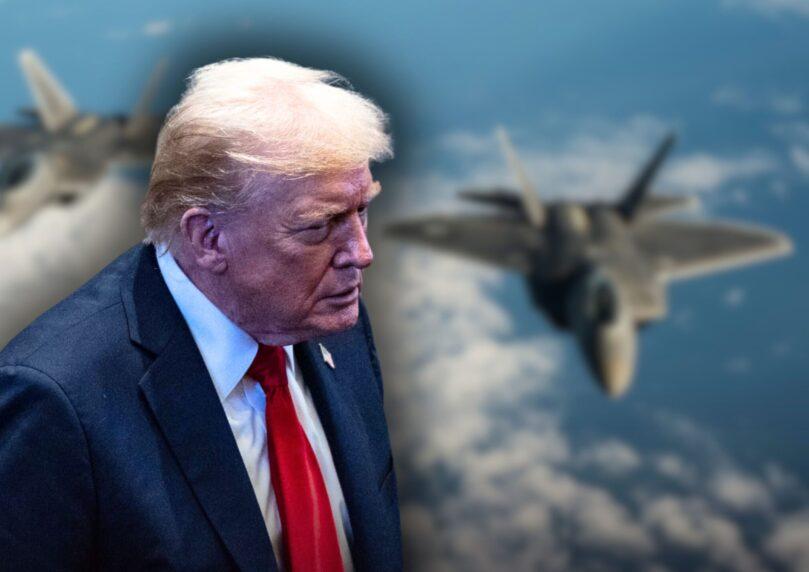

Tehran presented rigid preconditions on Tuesday night for resuming diplomatic negotiations with Washington, declaring that it will not permit even a single gram of enriched uranium to leave Iranian territory. The declaration arrived alongside statements from U.S. President Donald Trump, who cautioned that military strikes against fortified subterranean nuclear installations remain insufficient without long-term guarantees preventing an Iranian atomic weapon. At the same time, Defense Secretary Pete Hegseth confirmed holding high-level security consultations with Prime Minister Benjamin Netanyahu in Israel.


 7+
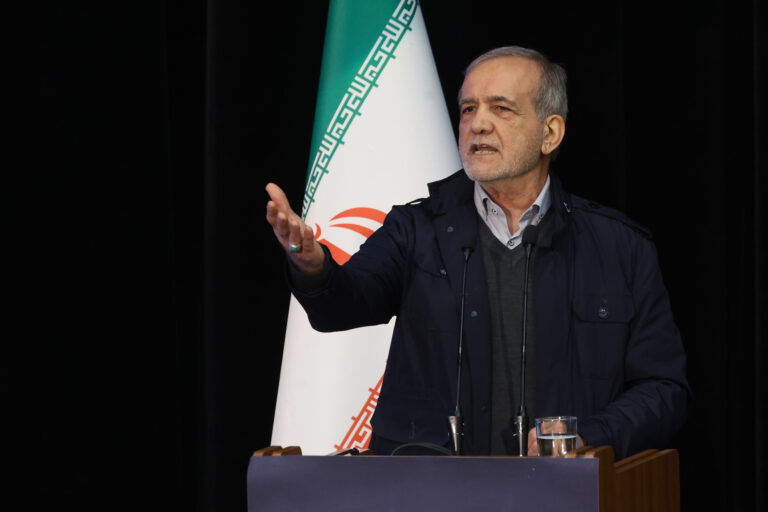
Speaking following a meeting with Pakistani Army Chief Field Marshal Asim Munir in Tehran, Secretary of Iran’s Supreme National Security Council Mohsen Rezaee dismissed any compromise regarding the country’s enriched fissile material. “Not even a single gram of enriched uranium will leave Iran,” Rezaee wrote on X, asserting that Tehran will not enter talks until Washington undertakes confidence-building steps and satisfies Iranian conditions.
Iranian President Masoud Pezeshkian adopted an identical stance during his own discussions with Munir, demanding that the United States lift sanctions and halt threats before dialogue can occur. Pezeshkian told state broadcaster IRIB that “all regional problems, from escalating tensions to disruptions in the Strait of Hormuz, stem from American warmongering,” as Islamabad attempts to broker backchannel diplomacy.
 7+
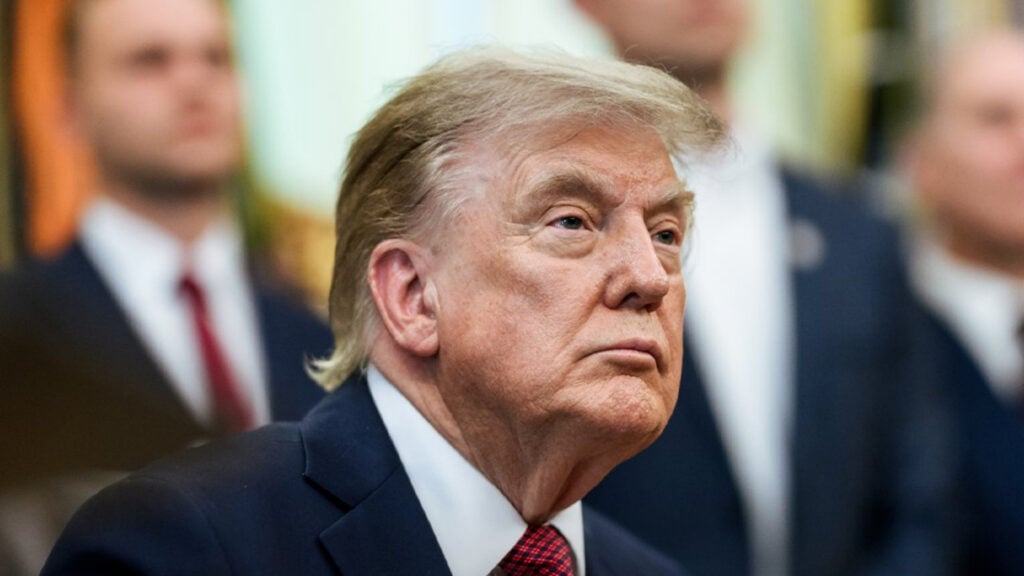
Addressing the military situation from the White House, President Donald Trump stated that tactical strikes against atomic infrastructure cannot substitute for enduring strategic solutions. Trump acknowledged the economic strain of the confrontation, framing elevated fuel prices as a necessary cost to stop a nuclear-armed Tehran: “When people are unhappy with gas prices, I don’t want to sound like I’m making light of it… It’s a high price, but it’s actually a small price to pay to stop Iran from getting a nuclear weapon.”
Trump emphasized that while precision bunker strikes successfully hit fortified subterranean facilities, the threat persists: “It’s buried under hundreds of tons of rock. We have to make sure this doesn’t happen five, six, or ten years down the road.” He reiterated that Iran remains “the most dangerous country in the world.”
 7+
In parallel, the White House signaled tactical restraint on military timing. Deputy Press Secretary Anna Kelly told Al Jazeera that the U.S. will not launch kinetic strikes against Iran before the upcoming midterms. However, comprehensive economic blockades will remain strictly enforced.
Tensions further accelerated following a Fox News report indicating that Israeli Air Force fighter jets conducted an aerial maneuver overnight, flying toward Iran via Syrian and Iraqi airspace within regular operational readiness routines, without penetrating sovereign Iranian skies.
 7+
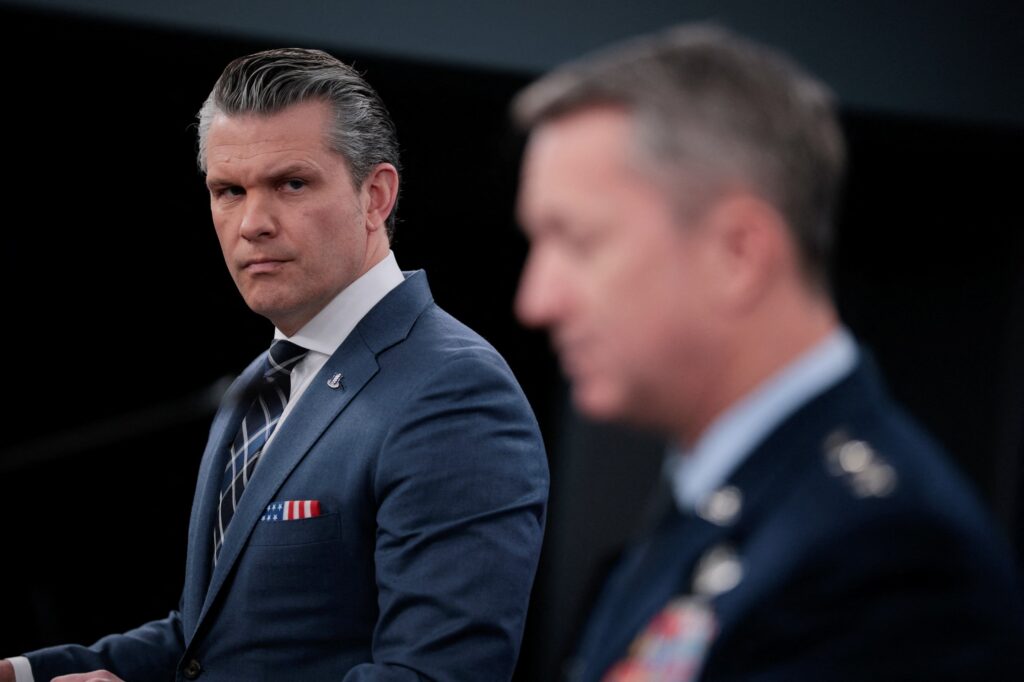
Simultaneously, U.S. Defense Secretary Pete Hegseth confirmed during a press conference in Wisconsin that he visited Israel on Monday to meet with Prime Minister Benjamin Netanyahu. “I had the opportunity to speak with the Prime Minister,” Hegseth stated. “The nature of our conversations isn’t something I will disclose, but they have been good partners, and I appreciate it.” Regional sources said the meeting took place at Ovda Airbase in southern Israel, where they addressed escalating Iranian aggression in the region.
Regional friction rippled across neighboring sectors. In Iraq, Prime Minister Ali al-Zaidi ordered the indefinite closure of the Sheeb border crossing with Iran to all commercial cargo and pedestrian traffic, with additional crossings expected to shutter. In the United Kingdom, counter-terrorism detectives rearrested two men aged 24 and 25 under the National Security Act over an Iranian state intelligence plot targeting RAF Fairford in Gloucestershire, which had previously hosted American heavy bombers.
 7+
Simultaneously, U.S. Defense Secretary Pete Hegseth confirmed during a press conference in Wisconsin that he visited Israel on Monday to meet with Prime Minister Benjamin Netanyahu. “I had the opportunity to speak with the Prime Minister,” Hegseth stated. “The nature of our conversations isn’t something I will disclose, but they have been good partners, and I appreciate it.” Regional sources said the meeting took place at Ovda Airbase in southern Israel, where they addressed escalating Iranian aggression in the region.
Regional friction rippled across neighboring sectors. In Iraq, Prime Minister Ali al-Zaidi ordered the indefinite closure of the Sheeb border crossing with Iran to all commercial cargo and pedestrian traffic, with additional crossings expected to shutter. In the United Kingdom, counter-terrorism detectives rearrested two men aged 24 and 25 under the National Security Act over an Iranian state intelligence plot targeting RAF Fairford in Gloucestershire, which had previously hosted American heavy bombers.
 7+
Internally, Fox News highlighted expanding operations by armed insurgent networks in southeastern Iran. A coalition named the “People’s Fighters Front,” consolidating Baluch groups and Sunni faction Jaish al-Adl, claimed responsibility for six armed assaults against regime security apparatuses in Sistan-Baluchestan and Kerman provinces, stretching regime resources.
On the maritime front, U.S. Secretary of State Marco Rubio denounced Tehran’s attacks against international commercial shipping, comparing IRGC naval operations to “Nazi submarine tactics.” While U.S. Central Command noted that defensive measures have shielded the vast majority of commercial transits, the container ship GFS Pride sank after sustaining an Iranian projectile strike. Bloomberg reported that the IRGC has adopted a doctrine of deliberately targeting vessel engine rooms and command bridges to cause fires and prolonged disablement.
 7+
U.S. Central Command spokesman Captain Tim Hawkins updated that the vast majority of Iranian attack attempts against civilian vessels in the Strait of Hormuz fail thanks to coordinated U.S. Navy protection and thousands of ships crossing the route safely. However, the statement came against the backdrop of an Iranian projectile hitting the container ship GFS Pride—Singapore-flagged/Cyprus-owned—which caught fire and sank while being towed to shore.
 7+
According to a Bloomberg report, the Revolutionary Guards changed tactics and now focus on hitting engine rooms and command bridges of vessels in the Persian Gulf to cause fires and long-term disabling of ships, while minimizing the risk of major oil spills. Shipping experts like Philip Belcher and Jacob Larsen warned these attacks directly endanger crew members and could keep ships out of service for months.
The spreading naval crisis prompted immediate reactions across global commodity markets, with Brent crude surging to an intraday high of 111.99 dollars per barrel—its highest level in five months—before settling around 108.79 dollars, while WTI traded near 101.79 dollars as markets price in persistent threats to Persian Gulf energy transit.