


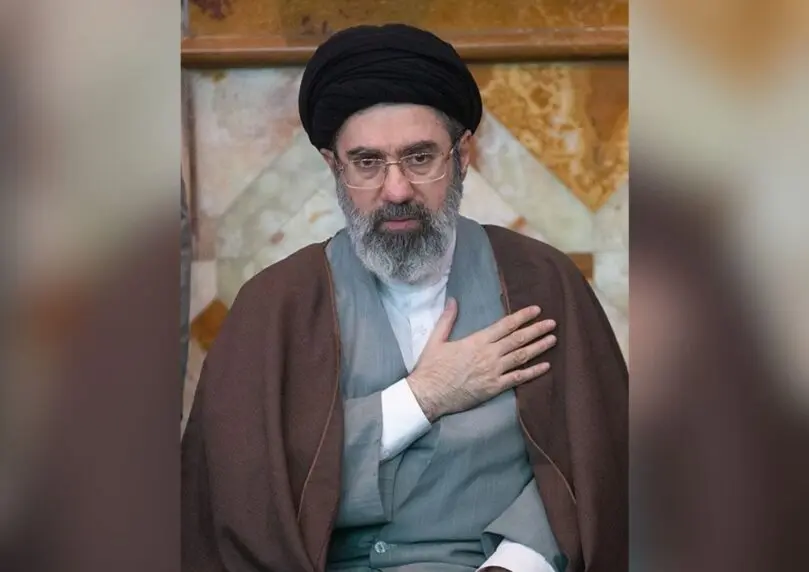

After decades of insisting that its nuclear program was strictly peaceful and aimed solely at civilian energy production, a noticeable transformation is taking hold within public and political discourse in Tehran. Iranian politicians, parliamentarians, and figures aligned with the regime apparatus are no longer confining their statements to defending Iran’s right to enrich uranium; they are now openly making the case for manufacturing nuclear weapons, framing them as a non-negotiable deterrent against future military strikes by Israel and the United States.


 1+
According to a report published by the Financial Times, seven months into the current regional conflict, voices across Iran’s hardline conservative camp are increasingly demanding that the regime formally withdraw from the Treaty on the Non-Proliferation of Nuclear Weapons (NPT) and proceed with developing an atomic bomb.
Davood Modarresian, a political activist close to hardline circles, articulated the shift earlier this month: “Recent military confrontations have proven that acquiring nuclear weapons for Iran is no longer an ambition, but a need more important even than bread.”
Video: Ehsan Eghbal Eslami X page
Hassan Ghashghavi, a hawkish member of parliament and spokesman for the National Security and Foreign Policy Committee, addressed the issue directly. Ghashghavi maintained that Iran needs a decisive strategic deterrent to ensure no foreign adversary can ever initiate military action against it again. He noted that if newly ascended Supreme Leader Mojtaba Khamenei decides to support the development of nuclear arms, all senior regime officials and military bodies will be bound to execute that directive.
 1+
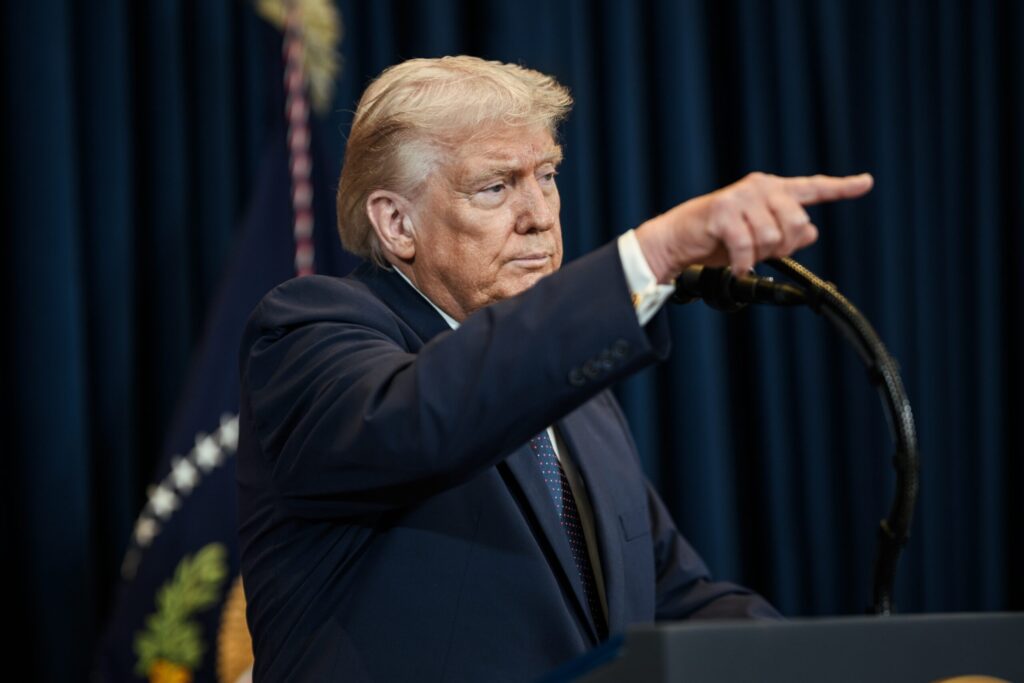
Concurrently, another insider close to the regime pointed to North Korea as the precise strategic model Iran must adopt. Speaking with the Financial Times, the official argued that Tehran must field operational nuclear weapons—mirroring Pyongyang’s trajectory—to eliminate foreign military interference permanently. He asserted that domestic support within Iran for developing an atomic bomb has surged from near zero before the war to over 50%. However, no independent polling metrics were provided to corroborate the estimate.
These public declarations starkly deviate from Tehran’s longstanding official doctrine. Despite persistent clandestine activities and extensive uranium enrichment uncovered by Western intelligence agencies over the years, the Iranian clerical leadership consistently denied any military intent, relying on public fatwas and diplomatic messaging to claim its nuclear assets were dedicated entirely to civilian and medical purposes.