


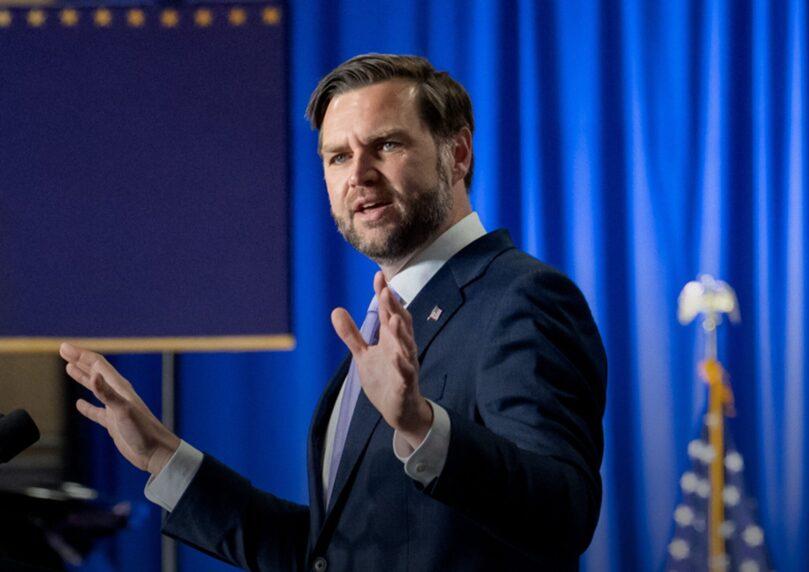

United States Vice President JD Vance pointedly refrained from endorsing Prime Minister Benjamin Netanyahu on Monday evening, declining to join President Donald Trump’s direct, public push for the Israeli leader’s re-election ahead of the upcoming Knesset vote.

On the political program 2WAY, hosted by veteran American journalist Mark Halperin, Vance was asked directly whether he aligned with the President’s endorsement. Vance acknowledged Trump’s strong political standing, but said his focus remains on the upcoming U.S. midterm elections and that he does not intend to intervene in foreign political campaigns.
When pressed by Halperin on whether his refusal to endorse constituted a deliberate omission, Vance drew an explicit boundary: “I’m not endorsing against him, but I’m not endorsing for him. I’m not getting involved in Israeli elections.”
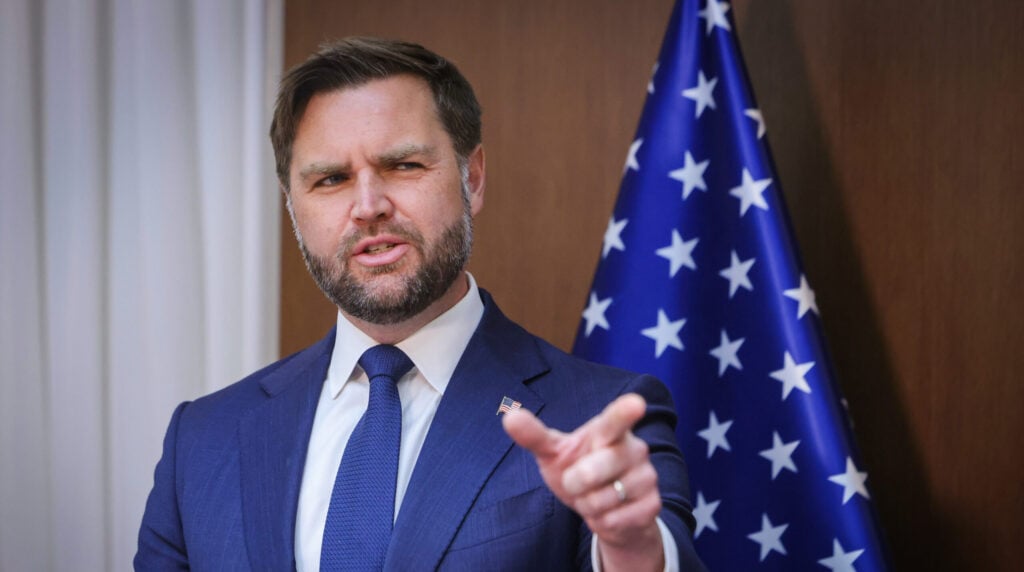
With that statement, the Vice President made clear that while he was not actively opposing the Israeli Prime Minister, he was consciously breaking ranks with Trump’s public call for Israelis to grant Netanyahu another mandate. Vance’s detached posture stands in stark contrast to President Trump’s post on Truth Social a day earlier, in which he urged the Israeli electorate to back Netanyahu. Trump referred to Netanyahu as a “great fighting Prime Minister and partner for peace,” warning that if an alternative leader were elected, the United States would not be inclined to do Israel’s job against Iran.
Unlike the President, who views Netanyahu’s continued leadership as an essential American strategic asset, Vance opted to maintain clear political distance, focusing instead on his domestic itinerary, which includes stumping in North Carolina to bolster Republican candidates in competitive U.S. Senate races. Vance’s claim that he avoids meddling in foreign democratic processes has drawn heightened scrutiny given his prior diplomatic and political engagements. In April, the Vice President traveled to Hungary to participate in Prime Minister Viktor Orbán’s re-election campaign.
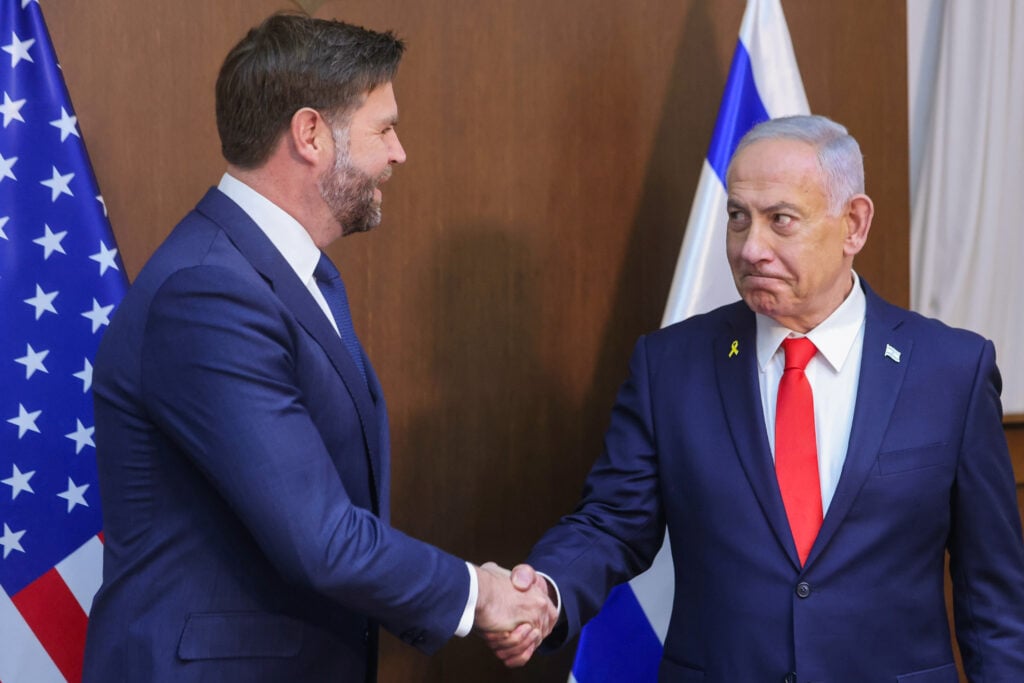
Moreover, Vance has repeatedly voiced sharp skepticism toward elements within the Israeli government. In a podcast interview in July, he accused factions within the Israeli leadership of attempting to manipulate American public sentiment in an effort to prolong military operations in the region.