


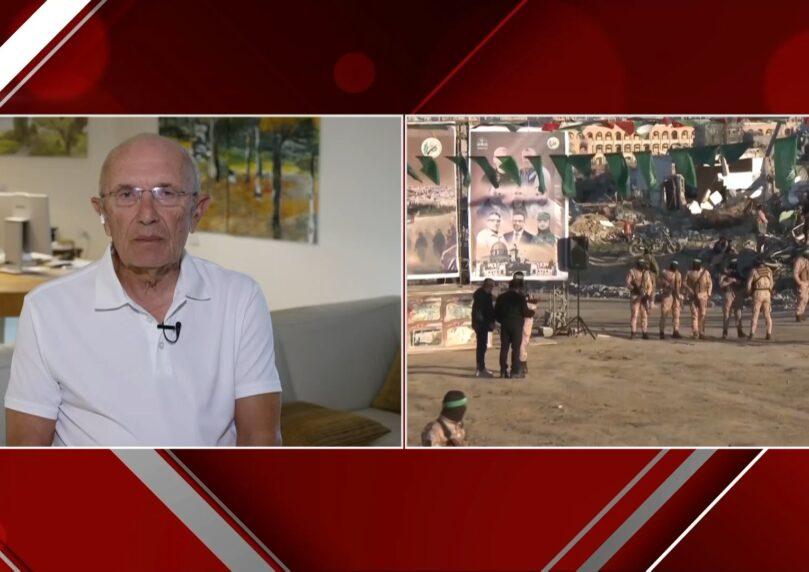

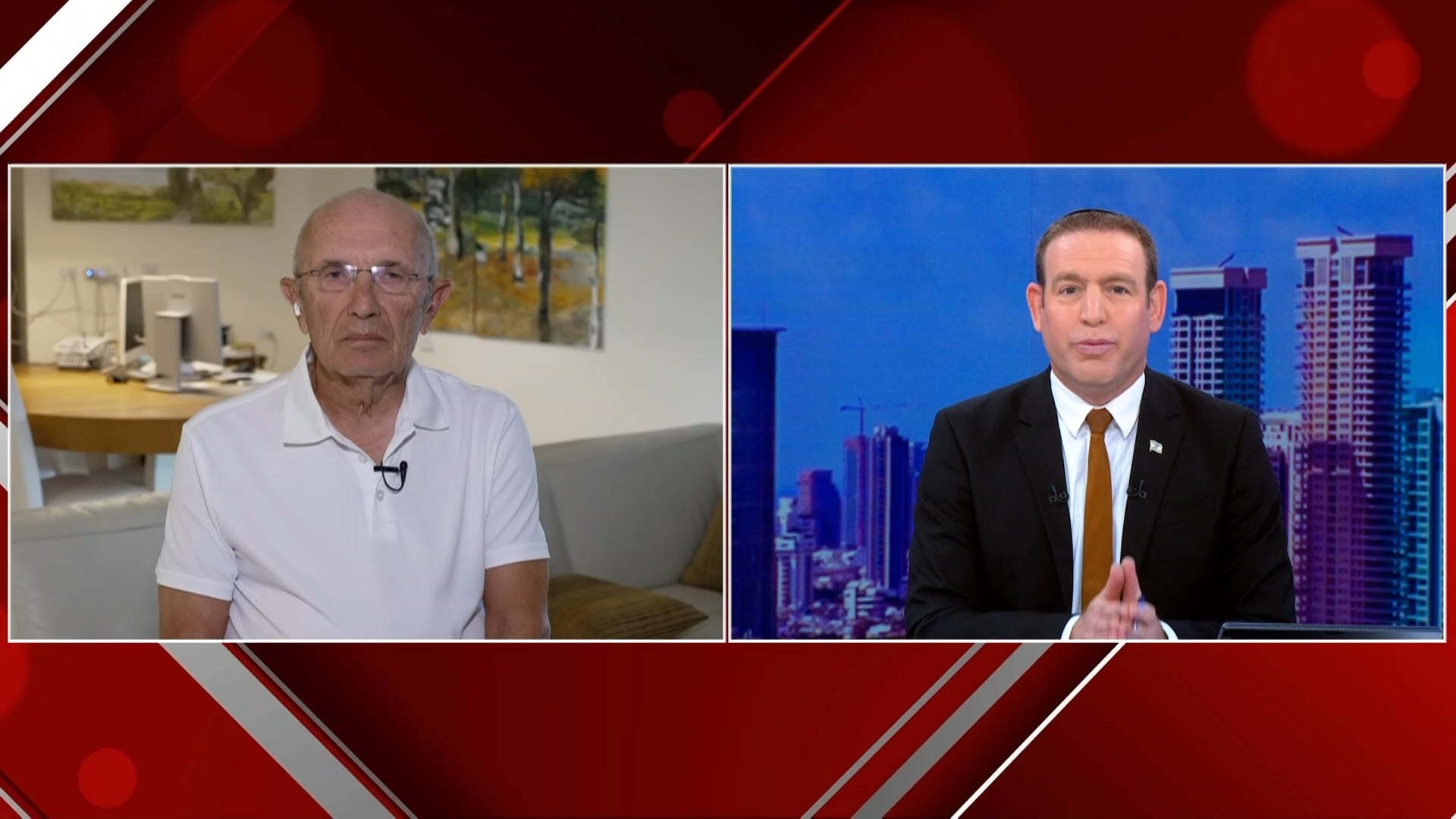
Brigadier General (res.) Hanan Gefen, former commander of the IDF’s elite Intelligence Unit 8200, issued a sharp warning on Sunday regarding the strategic fallout of ongoing negotiations between the United States and Iran, cautioning that potential understandings between the two powers could leave Tehran free to develop and maintain its vast ballistic missile arsenal. In an interview on Channel 14’s “Yoman Tsohorayim” with Ido Tauber, Gefen also addressed Iranian efforts to reconstitute regional terrorist organizations, the security landscape in Gaza and Judea and Samaria, and mounting regional instability.

 4+
Addressing the prospect of an immediate Iranian direct strike against Israel, Gefen assessed that Tehran currently seeks to avoid direct interstate confrontation, opting instead to activate its regional proxy apparatus. “I assess that the Iranians currently have no compelling reason; I am constantly searching for a reason why the Iranians would attack directly,” Gefen said. He pointed out that the Houthis are actively targeting Saudi Arabia, Hezbollah continues to receive shipments of Iranian arms and ammunition, and Iraqi Shiite militias remain primed for activation.
However, Gefen emphasized that the primary threat lies not in an immediate direct barrage, but in the secretive diplomacy underway between Washington and Tehran. “The far greater, far more severe problem is the quiet negotiation being conducted between the Americans and the Iranians. They are concealing these talks both from us and from every nation in the region,” he argued.
 4+
Gefen said his assessment is based on publicly stated positions from both sides. While Washington demands verifiable commitments that Iran will not reconstitute its nuclear weapons infrastructure, Tehran is pressing counter-demands that include American troop withdrawals, financial compensation, and the postponement of core nuclear deliberations.
The former intelligence chief further raised the possibility that American interlocutors have communicated the parameters of potential military action to Tehran, framing it as time-limited strikes against nuclear facilities followed by a return to the negotiating table. “The Americans essentially signaled to the Iranians: ‘We are going to strike you for a short duration, a matter of days—some cited a three-day sequence—targeting your nuclear sites, and after that, we will resume negotiations,'” Gefen noted.
 4+
According to Gefen, this operational approach signals to the Iranian regime that it can absorb initial strikes and endure, knowing the United States does not intend to seek a decisive military victory. He issued an explicit warning against the peril of leaving the ballistic missile issue out of any finalized agreement. “In conclusion, the ballistic issue is the single greatest challenge we now have to confront,” Gefen stressed. “If this process runs its course, the Americans are essentially giving an official stamp of approval to Iranian ballistic missiles.”
Later in the interview, Gefen addressed Iranian activity in various arenas, claiming Tehran is trying to rebuild its proxies in Lebanon, Gaza, and Judea and Samaria by transferring budgets and encouraging continued operations against Israel.
 4+
Gefen also pointed to Tehran’s renewed aggressive maneuvers across adjacent operational theaters, noting that the regime is pouring resources into revitalizing its proxy branches in Lebanon, Gaza, and Judea and Samaria. “The Iranians are forcefully pushing all their proxies back into the fight—in Lebanon, in Gaza, and in Judea and Samaria—through both financial allocations and operational encouragement,” he said. The objective, Gefen explained, is to telegraph to regional terrorist factions that the Islamic Republic will endure long after American forces withdraw from the Middle East—a direct continuation of the multi-front doctrine championed by assassinated Quds Force commander Qassem Soleimani.
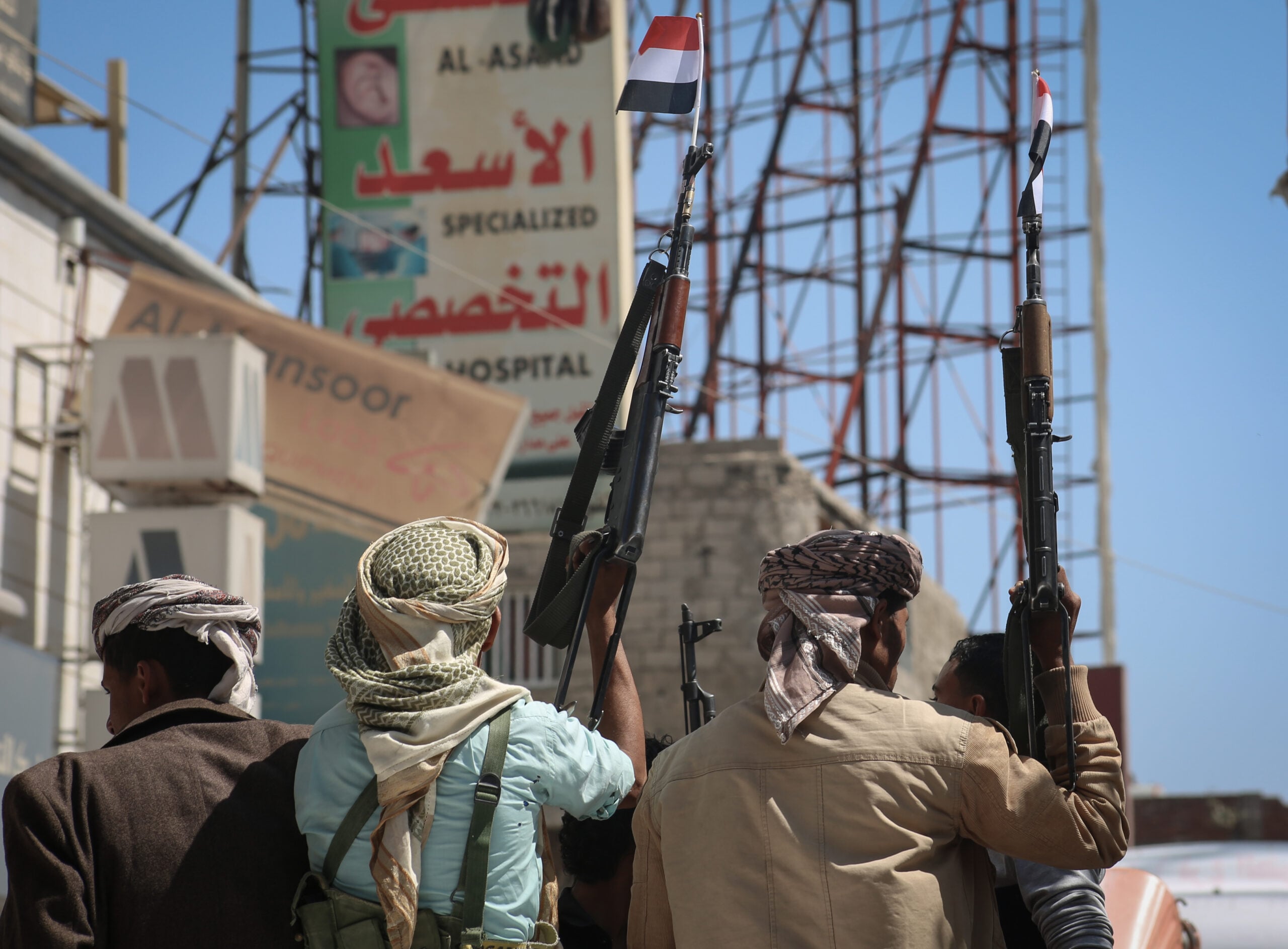
Turning to the Persian Gulf, Gefen underscored the intense security pressures confronting Saudi Arabia, which faces continuous ballistic missile and drone barrages launched by Houthi forces targeting strategic energy assets, international airports, and commercial infrastructure.
 4+
Gefen observed that these persistent strikes undermine domestic Saudi stability, prompting Riyadh to seek urgent defensive pacts with regional partners, including Turkey and Egypt—the latter having recently scheduled an emergency parliamentary session to authorize potential military assistance. Gefen concluded that if Washington allows Iran to retain its ballistic missile stockpiles under a political compromise, the resulting fallout will critically jeopardize both Israeli national security and the stability of the Gulf states.
“When I examine the moves currently being played by the Americans and the Iranians, we are entering a phase that demands rigorous analytical scrutiny and continuous operational monitoring. It is a profoundly concerning period,” Gefen warned.