


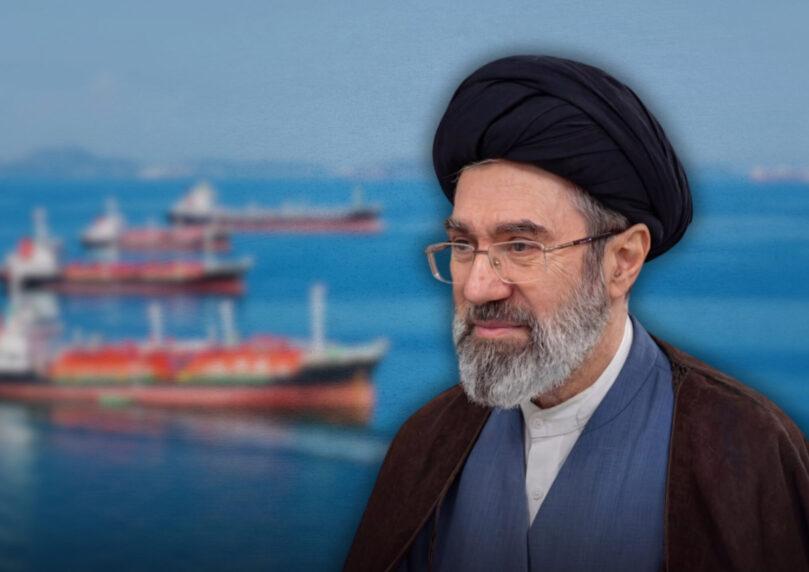

Iranian Foreign Minister Abbas Araghchi declared on Sunday that Tehran’s proposal to the United States to reopen the Strait of Hormuz within seven days remains active, contingent upon Washington’s acceptance of a series of preconditions outlined by Iran, including the lifting of the American naval blockade on its ports and the revocation of oil export sanctions, according to a report by Reuters.

 2+
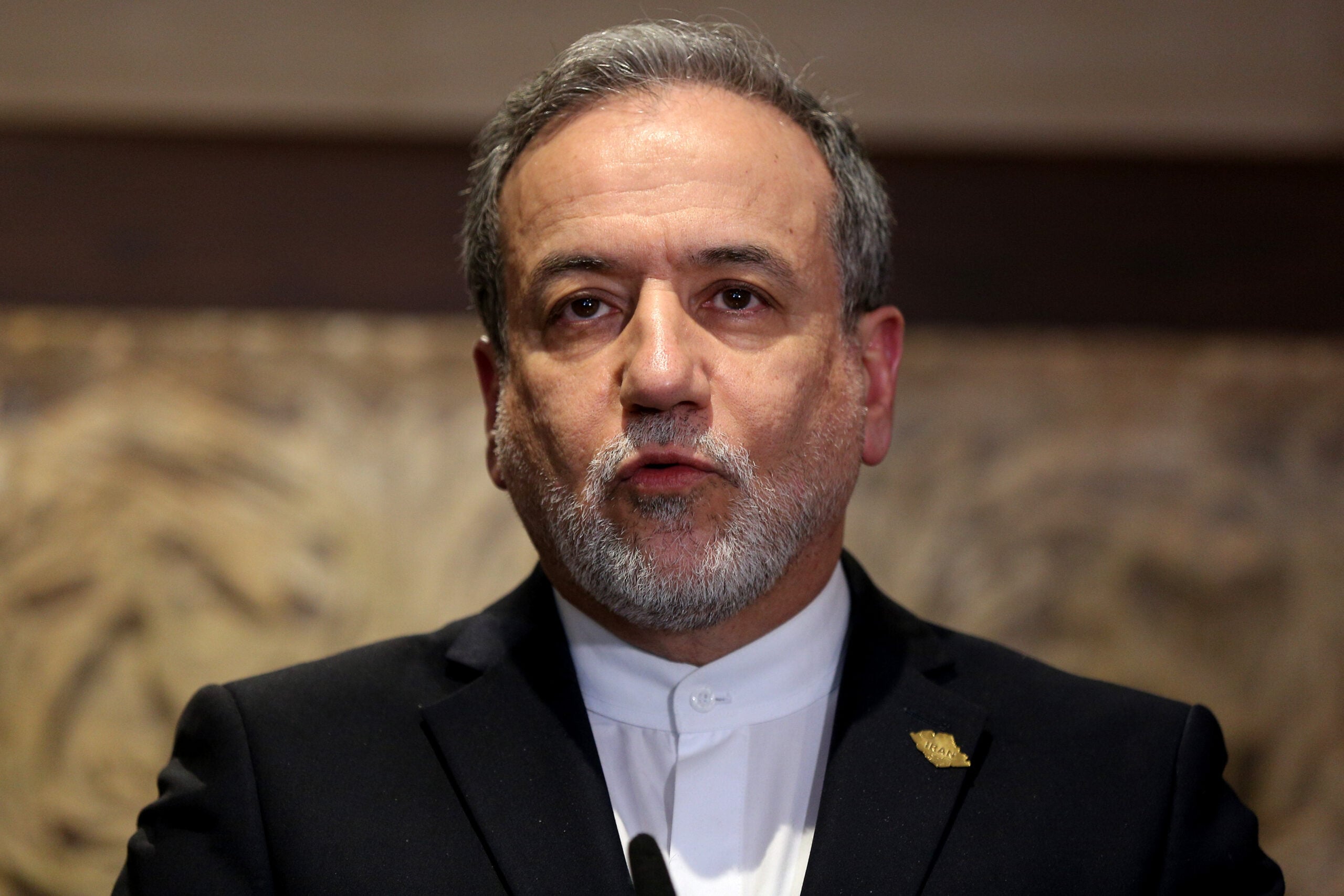
Araghchi, who was attending an Organization of Islamic Cooperation (OIC) summit in Baghdad, addressed the ongoing bilateral contacts and affirmed that Tehran has not walked away from its initial proposal. He noted that while Iranian officials are currently reviewing feedback from Washington, Tehran harbors doubts about the sincerity of American intentions to reach a negotiated compromise.
Iran first tabled its framework in mid-September, after a temporary truce between the warring parties collapsed. Tehran subsequently acknowledged receipt of an American response; however, a senior Iranian defense official claimed last week that talks had hit an impasse after Washington failed to provide satisfactory concessions on all seven demands Iran presented to restore maritime passage.
 2+
Tehran’s primary demands center on lifting the comprehensive U.S. naval blockade enforced against Iranian maritime terminals, eliminating international sanctions targeting its petroleum exports, and ceasing armed hostilities across all regional theaters. Araghchi said that if the United States agrees to these terms, the Strait of Hormuz could be cleared and reopened within six days, allowing diplomatic negotiations between the two nations to officially resume the following day.
A central point of contention remains Washington’s prerequisite that Iran’s nuclear program be integrated into early-stage negotiations. Earlier this month, U.S. Vice President JD Vance made clear that Iran must significantly roll back and dismantle its uranium enrichment capabilities to satisfy American conditions and bring an end to the eight-month-old war.
 2+
At the same time, officials in Tehran insist that diplomatic engagements must initially focus exclusively on reopening the Strait of Hormuz and re-establishing safe commercial passage through the vital maritime corridor. Before the conflict escalated, the narrow strait handled roughly one-fifth of global petroleum and liquefied natural gas (LNG) trade, making its reopening a matter of paramount importance to global energy security.
For now, the diplomatic gap between the two sides remains wide, with Tehran conditioning navigation rights on total sanctions and blockade relief. At the same time, the United States maintains that addressing the Iranian nuclear file remains an indispensable prerequisite to any comprehensive resolution.