


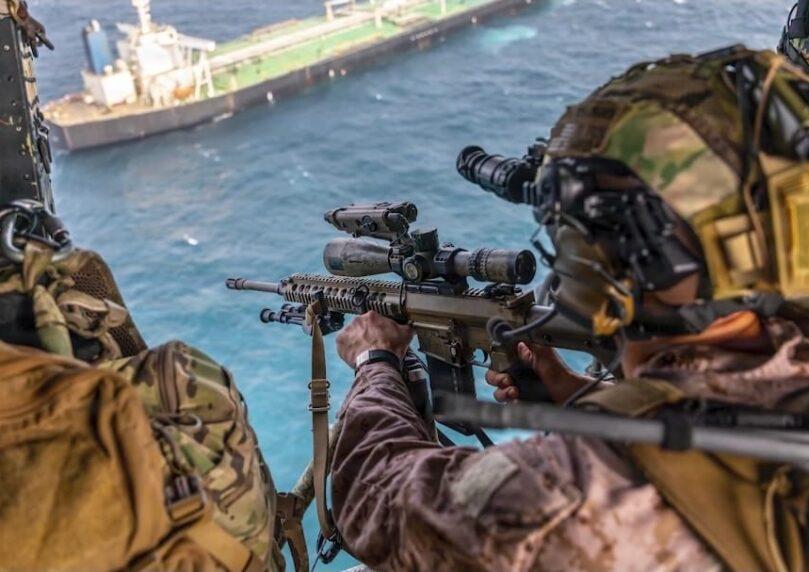

The Commander of United States Central Command (CENTCOM), Admiral Brad Cooper, stated on Saturday that U.S. forces have prevented the Islamic Republic of Iran from exporting crude oil valued at least at $25 billion. Cooper stressed that these funds were slated to be used by the world’s leading state sponsor of terrorism to finance proxy militias and deadly attacks against American personnel, adding that nearly $350 million in illicit cryptocurrency assets tied to the regime were simultaneously frozen.

 1+
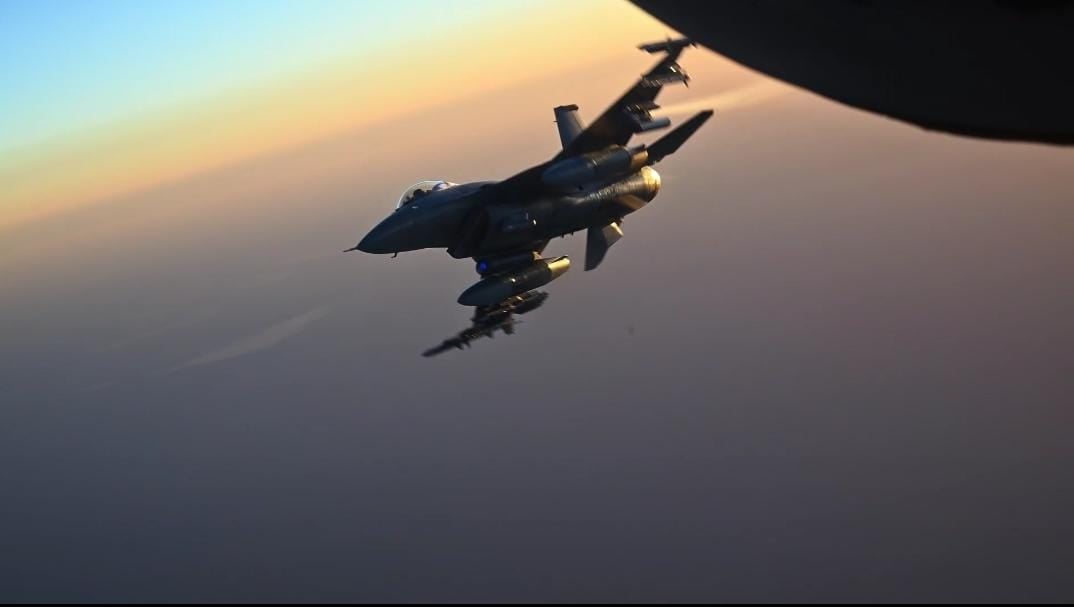
1+The CENTCOM commander noted that more than 50,000 U.S. military personnel are currently deployed across the Middle East, operating closely alongside regional partners to conduct mine-clearing operations in the Strait of Hormuz, protect international commercial shipping lanes, and enforce a maritime blockade that remains fully in effect. “Except for authorized humanitarian aid, Iran has zero exports and zero imports by sea,” Cooper underscored.
In addition, the American commander revealed that the Iranian government has been forced to withhold salaries and pension disbursements, including to members of the Islamic Revolutionary Guard Corps (IRGC). He added that Iranian-aligned proxy militias across the region have been delaying compensation to their own combatants to funnel money back to the IRGC, “which is likewise failing to pay its own soldiers.”
 1+
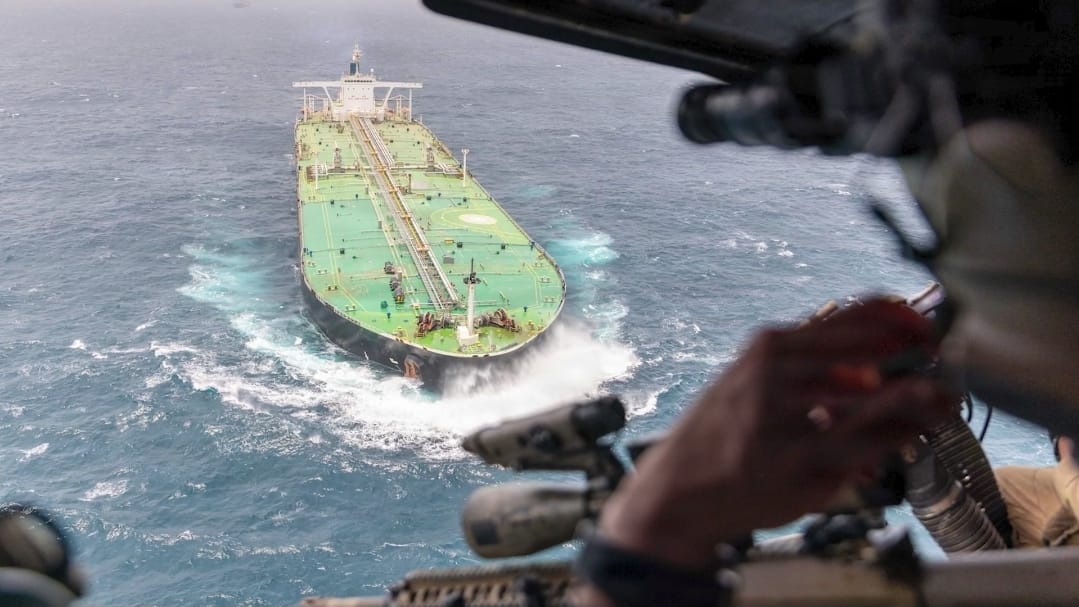
1+Under this acute financial pressure, Cooper said, the IRGC has displayed growing desperation by launching reckless attacks against commercial merchant vessels in the Strait of Hormuz. According to the International Maritime Organization (IMO), more than 20 civilian mariners have been killed in these attacks since February.
“The Strait of Hormuz is controlled by the United States and our regional partners, not by Iran, and it remains open for business,” Cooper stated. He detailed that approximately 400 merchant vessels transited the strategic chokepoint over the past week alone. During that period, American forces facilitated the safe transport of more than 100 million barrels of crude oil for Gulf nations, and over 1.3 billion barrels in recent months.