


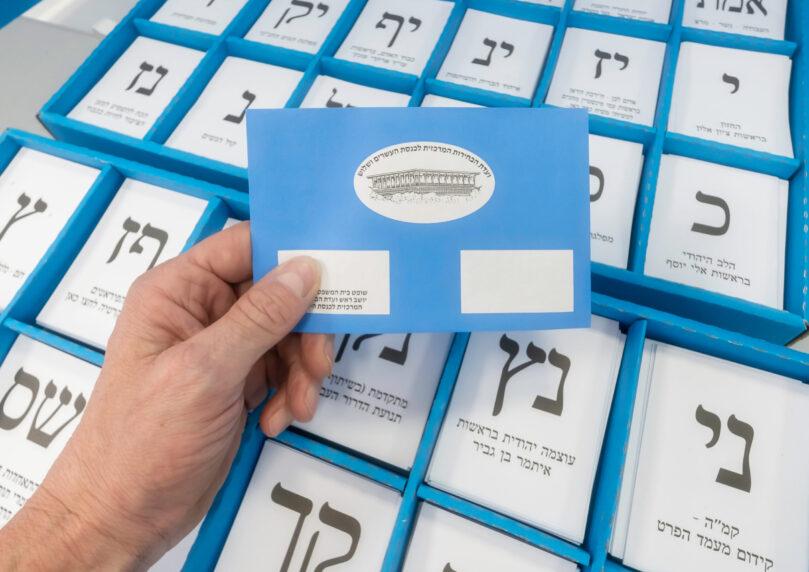

Two weeks until election day, and a series of signals in the political system could prove far more significant than they appear right now. Likud’s 400,000 voters from 2022, the battle for bloc leadership, the small parties, and the fight over ultra-Orthodox and Arab turnout—all of these could decide the outcome. My forecast remains unchanged: the right-wing bloc is headed for a majority of 61-64 seats.

 4+
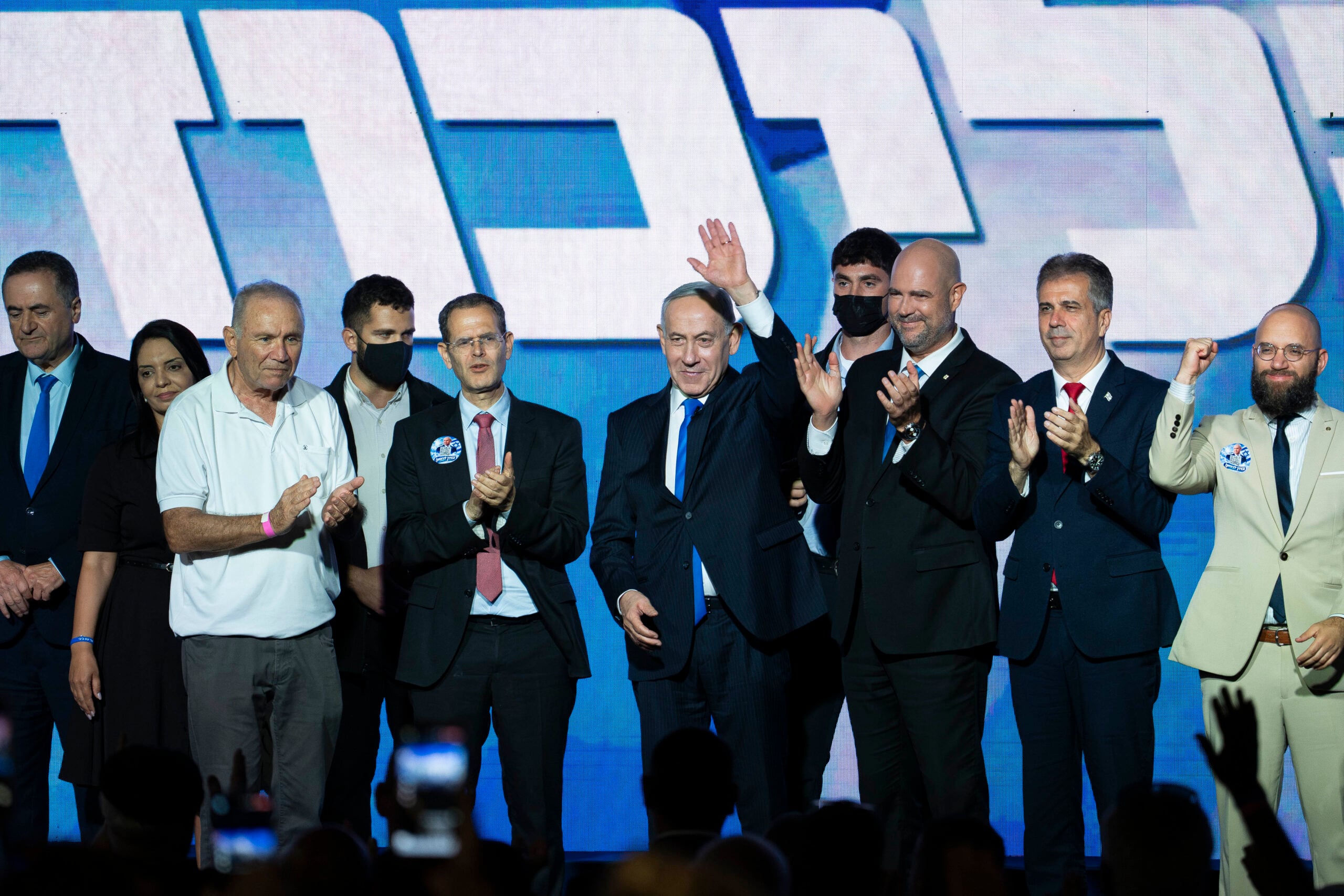
Likud’s 400,000 Voters Still in the Picture
The assumption that 400,000 Likud voters who supported the party in the 2022 election have abandoned it isn’t self-evident. They haven’t left Likud—they’re still on the right and they’ll show up at the polls. If they do turn out, left-wing poll-watchers will get to meet them up close. For Likud, the central question isn’t just who supports it, but how many of its supporters will actually come out to vote.
That’s also the party’s ultimate test: replicating the turnout rates from the 2022 election. Without similar turnout levels, it will struggle to reach 30 seats. So any attempt to eulogize Likud based on current polls could prove premature.
 4+
The Polls and the Battle for Largest Party
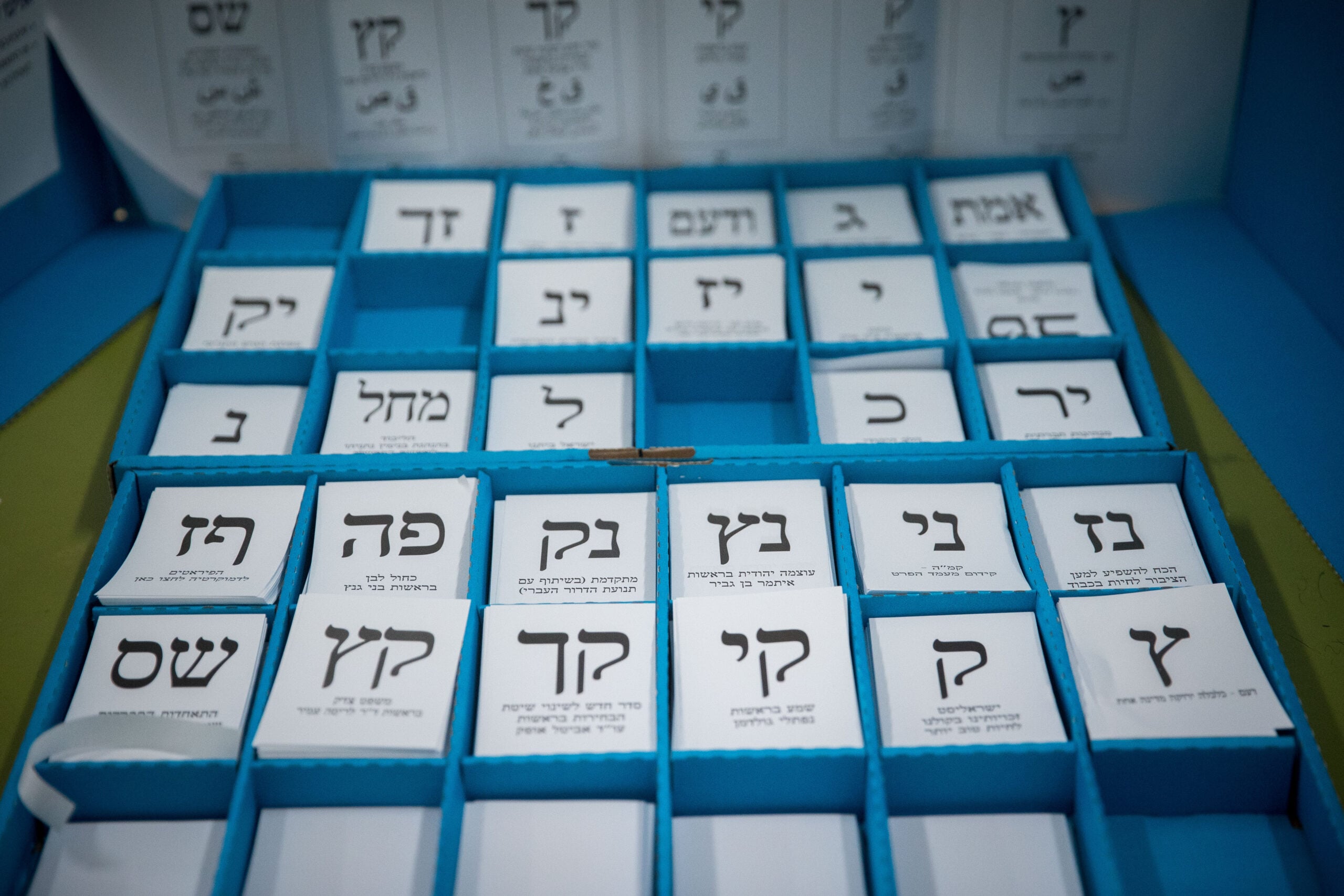
Likud’s drop in polls to 18 seats—a number only seen after the October 7 failure—raises questions about what these numbers mean at this stage of the campaign. In my assessment, the goal is to create an artificial gap between Likud and Yashar, so Yashar appears as the largest party. But the real test will come at the ballot box, not necessarily in the numbers published in the weeks before the election.
The battle for largest party in each bloc is also expected to affect the smaller parties. Winter and Zelekha enjoyed moments at the summit this week, appearing above the threshold, but their biggest battle is still ahead. They need to survive the fight between Likud and Yashar for primacy in the blocs, while voters reconsider the options before them.
 4+
Blue and White Still Not Out of the Game
It’s also too early to write off Blue and White. The party has a conservative, frustrated base that’s torn and wants Gantz, but isn’t sure the party will cross the threshold. In the past week, Gantz has already strengthened and crossed the threshold twice, surprisingly. In a reality where every seat could determine the fate of the blocs, even a party that seems on the verge of disappearing can become a significant factor.
The Ultra-Orthodox Mobilize for the Polls, While Preparing to Divide the Spoils
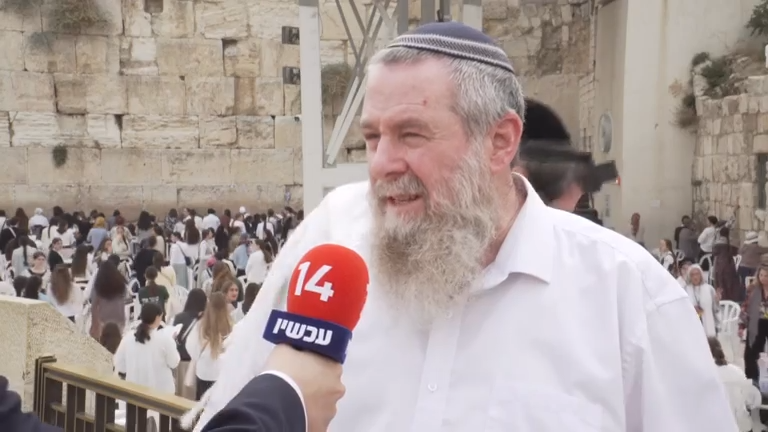
The ultra-Orthodox parties have already decided to try to bring the maximum number of voters to the polls. At the same time, they’re already arguing over dividing the political spoils. But there’s a fundamental condition here: the achievements they seek can only be obtained within a right-wing government. My forecast is that the ultra-Orthodox parties will reach 18 seats or more together, with turnout in the sector being one of the factors that will affect the final result.
 4+
The Final Stretch: Pressure on the Small Parties
Mid-week, the massive billboard campaigns of the small parties—including Ahi, Noam, and the ultra-Orthodox parties—are expected to come down ahead of the major parties’ billboards in the final stretch. This will also be when talk of withdrawals begins. As election day approaches, pressure on the small parties intensifies, and fear of losing votes could become a central consideration.
Meanwhile, assessments of a decisive left-wing bloc victory are almost never heard anymore. At most, people talk about a tie and an attempt to gain control of the Knesset with the backing of Arab parties, until another round of elections. That’s a completely different picture from a forecast of a clear left-wing victory, and it leaves the question of the majority open until the moment of truth.
 4+
The Forecast Remains: 61-64 Seats for the Right
In the end, it won’t be the polls alone that determine the outcome, but turnout rates and each bloc’s ability to bring its supporters to the polls. For Likud, the test will be replicating 2022 turnout; for the ultra-Orthodox, getting out maximum voters; and Arab turnout could also affect the balance of power.
My forecast was and remains: the right-wing bloc will win with a majority of 61-64 seats. This range depends on turnout among the ultra-Orthodox and Arabs. In two weeks we’ll know if these assessments materialize, and whether the battle for seats ends with a right-wing victory.