


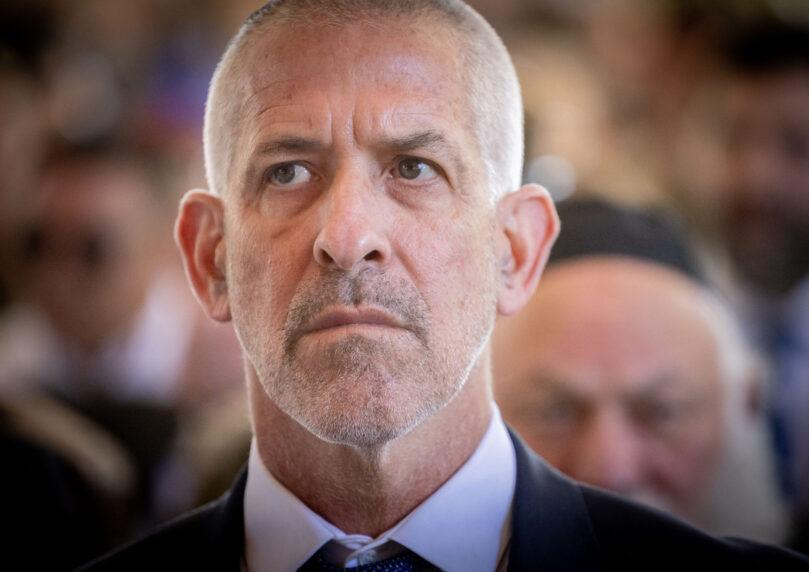

Former Shin Bet director Ronen Bar filed a NIS 3 million defamation lawsuit on Wednesday against Prime Minister Benjamin Netanyahu. The legal action
stems from statements the Prime Minister made during an interview on Channel 14’s The Patriots, where Netanyahu maintained that, contrary to public campaigns, the head of the Shin Bet never issued an advance intelligence warning about
the Gaza Strip before him.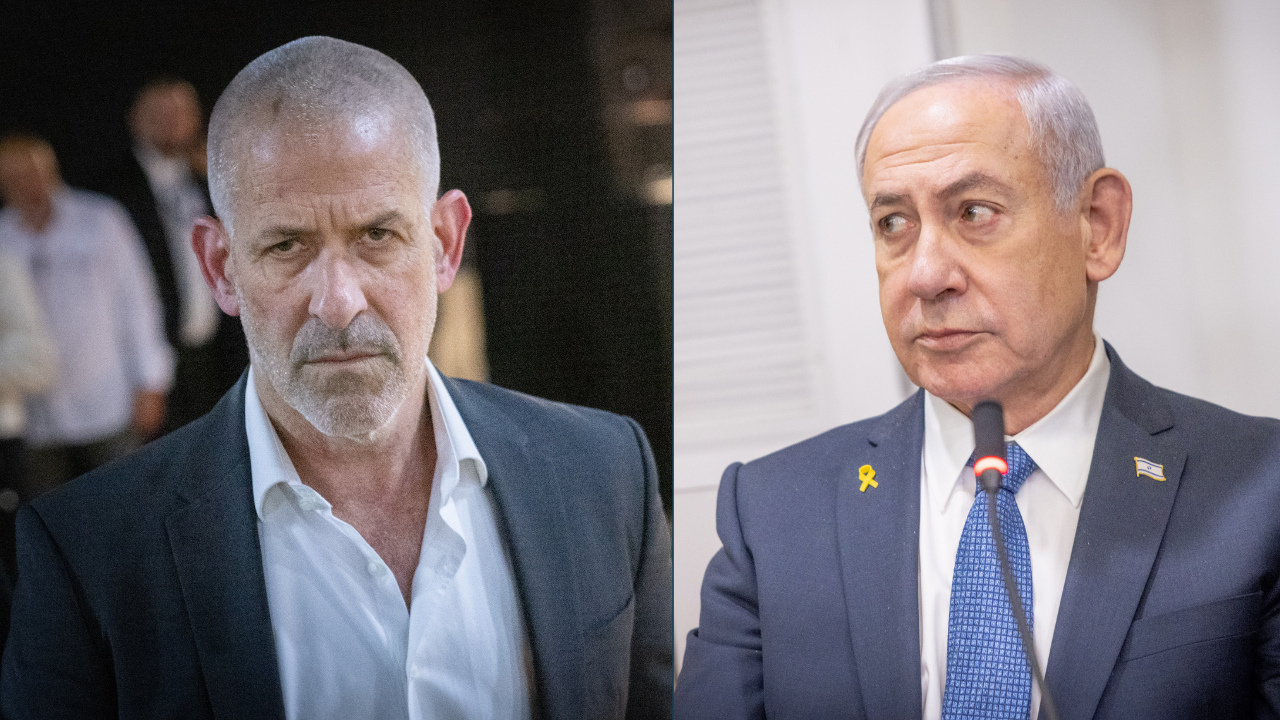

 2+
2+In the lawsuit, Bar argues: “Throughout his tenure, the plaintiff [Ronen Bar] repeatedly sought to challenge the directive issued by the defendant [the Prime Minister], proposed rebuilding deterrence, and advocated resuming targeted eliminations as a stabilizing instrument.” The statement of claim further asserts that the Prime Minister received an annual strategic planning summary in July 2023 carrying the following warning: “Hamas is entrenching its rule, building up capabilities, and igniting terrorism in Gaza, and there is a clear trend toward connecting operational arenas.”
However, the assertions outlined in the lawsuit stand in stark tension with two core facts: the Shin Bet’s operational posture on the morning of the massacre, and the internal findings of the Shin Bet’s own investigative report published by Bar himself. Behind the legal filing, critics argue that Bar is trying to deflect from the security agency’s acute failure to provide a warning and its misinterpretation of preliminary intelligence indicators. Contrary to the lawsuit’s claims, the official Shin Bet inquiry leaves no ambiguity: there was no advance alert. The institutional failure is recorded in stark terms.
 2+
2+According to the Shin Bet’s official internal investigation: “On 7/10 at 06:29, Hamas launched a broad assault that was not identified as such by the Shin Bet, and thus the organization failed in its mission.”
In his own inquiry, Bar determined that he did not deliver a warning, detailing the institutional drivers behind the intelligence collapse:
-
Deficient processing of intelligence regarding the “Jericho Wall” operational plan and procedural gaps in handling vital data.
-
Deviations from established counter-terrorism standard operating procedures on the night preceding the massacre.
-
The prevailing operational assessment that Hamas sought to incite escalation within Judea and Samaria rather than initiate war from the Gaza Strip.
The Shin Bet’s own investigation acknowledges that the alerts presented did not foresee an impending strategic assault originating from the Gaza Strip, raising sharp questions regarding the foundation of the legal suit.
 2+
2+
Bar devoted an entire chapter of the internal inquiry to the “Jericho Wall” cross-border invasion plan, conceding that the Shin Bet failed to convert the intelligence into a formal reference threat. As written in the report: “Hamas’s plan for a broad assault, designated ‘Jericho Wall,’ reached the Shin Bet in two iterations, in 2018 and in 2022. These plans were not processed into baseline reference threats and were therefore not presented as a prospective campaign scenario.”
In practical terms, the security agency knew the operational plan for years but did not brief political leadership on its tactical implications or define it as an active operational threat. While Bar’s defamation claim insists he warned of Hamas and the Gaza front, the agency’s formal findings state that the security establishment failed to recognize Hamas’s true intentions and avert the deadliest terrorist attack in Israel’s history.