


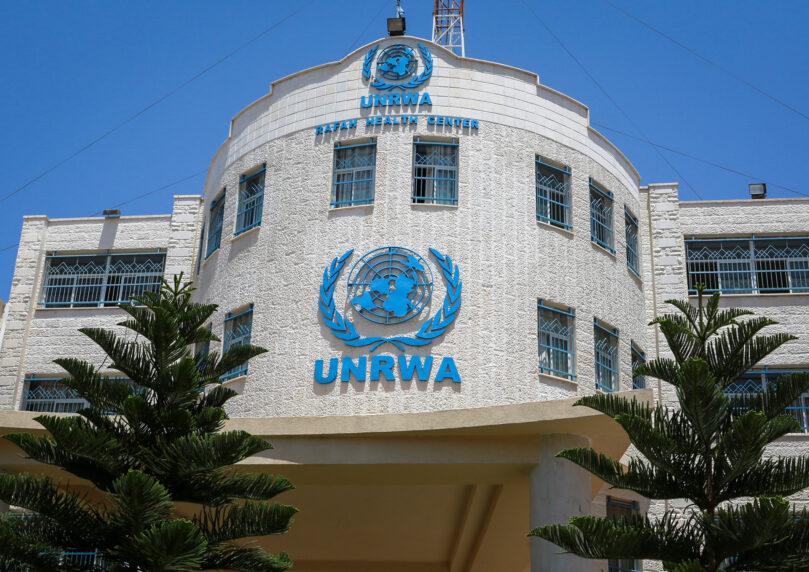

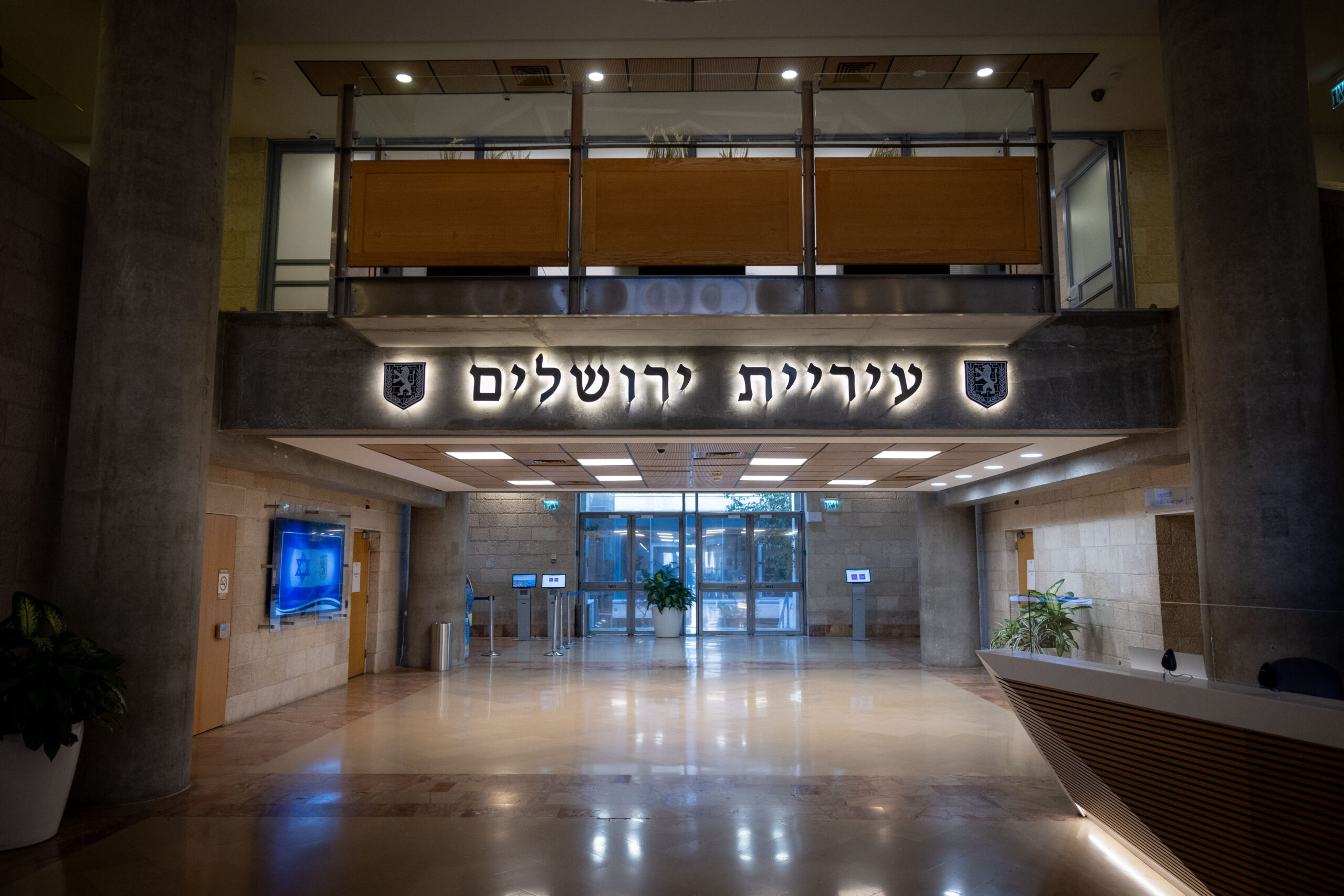
The Jerusalem District Court has ordered Bank Leumi to foreclose on UNRWA’s (the United Nations Relief and Works Agency for Palestine Refugees) bank account and transfer about NIS 11 million to the Jerusalem Municipality to satisfy accumulated municipal property tax debts. Judge Haya Zandberg rejected the UN agency’s claims of diplomatic immunity, ruling that after the 1967 bilateral exchange of notes between Israel and UNRWA expired, the agency’s legal immunity had lapsed as well.

 4+
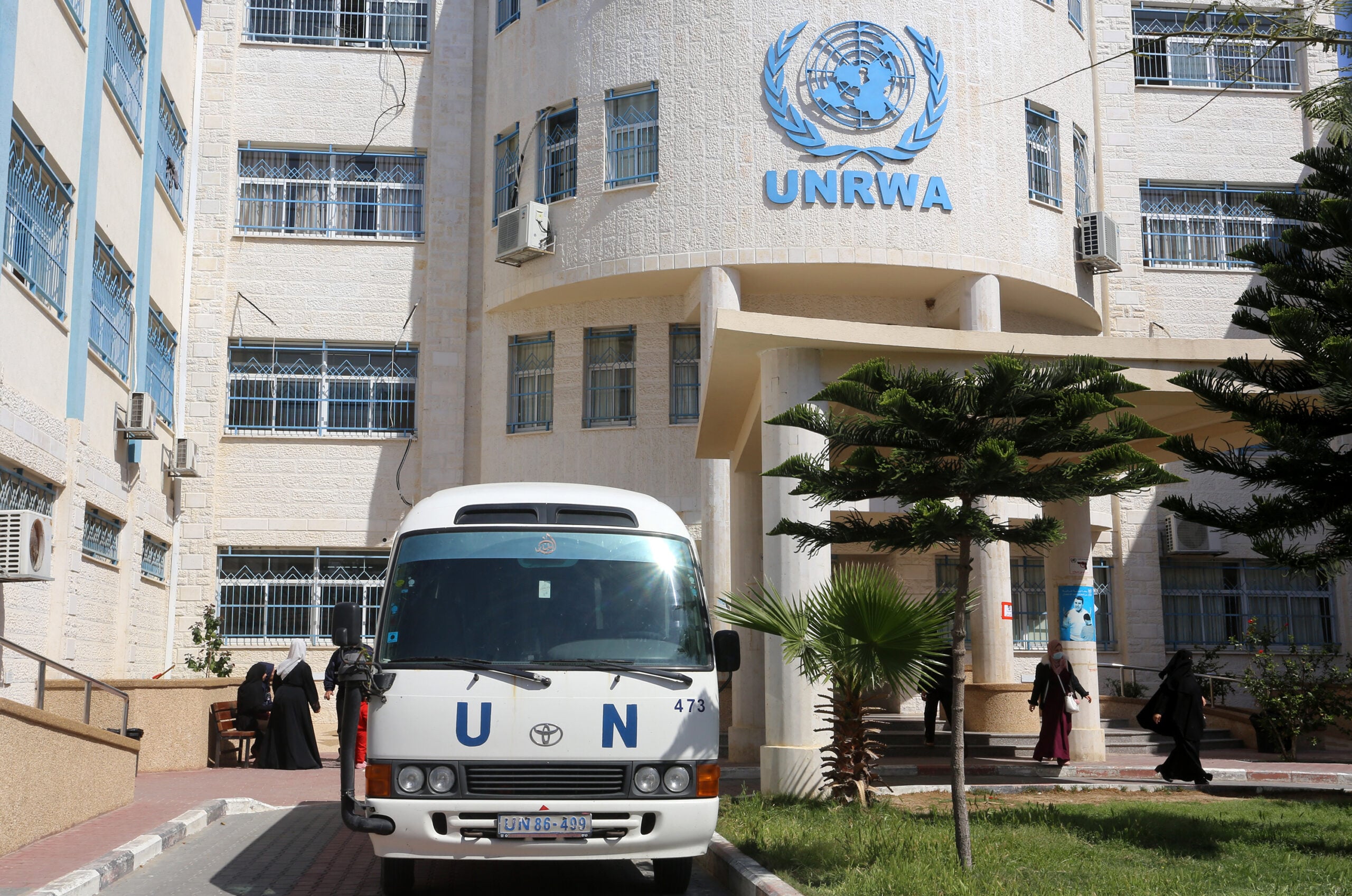
4+At the center of the dispute are two extensive compounds UNRWA has maintained in Jerusalem for decades: an office and logistics warehouse complex in the Ma’alot Dafna neighborhood and an educational campus in Tsur Baher. Over the years, property tax assessments were regularly sent to the agency, but UNRWA received full exemptions under its recognized diplomatic status.
The legal saga commenced in February 2024, when Bank Leumi froze UNRWA’s corporate account over severe compliance red flags that the funds could be utilized for terror financing. The UN agency took no legal recourse to lift the freeze.
Subsequently, after historic Knesset legislation mandated the cessation of all UNRWA activities within Israeli territory, the Jerusalem Municipality initiated formal collection proceedings against the agency for unpaid property taxes for 2024 and 2025. Because UNRWA failed to file an objection, administrative appeal, or court petition against the tax assessments, the levies became legally final and binding under Israeli administrative law.
 4+
4+In August 2025, the agency received an administrative foreclosure order on its bank account for a total delinquent balance of NIS 11,056,426.94. After the order, Bank Leumi approached the District Court for guidance on how to dispose of the restricted funds held in the account.
In her detailed decision, Judge Zandberg upheld the Jerusalem Municipality’s arguments, determining that UNRWA cannot challenge the merits of municipal tax assessments in an interpleader proceeding initiated by the bank after failing to pursue statutory appeal channels. The court further emphasized that informal diplomatic letters addressed to the Ministry of Foreign Affairs cannot substitute for formal administrative appeals or judicial filings.
 4+
4+A pivotal issue concerned UNRWA’s claim to institutional immunity. The court held that UNRWA’s special legal protections derived exclusively from the provisional 1967 “Exchange of Notes” between Israel and the organization. With the statutory termination of that accord pursuant to Knesset law on October 7, 2024, the associated immunity ceased to exist. The judge firmly rejected UNRWA’s defense that it retains automatic, blanket legal immunity solely by virtue of being an auxiliary organ of the United Nations.
Furthermore, the ruling established that Israel’s international commitments do not override explicit primary legislation passed by the Knesset. The court also observed that the Attorney General chose not to intervene in the proceedings or plead state-sanctioned immunity on the agency’s behalf.
 4+
4+Regarding the original compliance grounds that prompted the account freeze, the court clarified that terror-financing concerns do not bar the judicial collection of municipal tax debts. Judge Zandberg noted there is no plausible risk that satisfying municipal debts transfers funds into UNRWA’s operational hands, adding that the formal prohibition of its operations inside Israel does not exempt the organization from paying for public municipal services it consumed.
Concurrently, the court ordered Bank Leumi to formally register the foreclosure and transfer the funds directly to the Jerusalem Municipality under the Tax Ordinance (Collection).
 4+
4+Shai Glick, CEO of human rights organization “Btsalmo,” welcomed the landmark decision: “This is a paramount legal and moral victory for the State of Israel and the residents of Jerusalem. For years, UNRWA enjoyed unjustified immunity while its personnel and facilities were implicated in terror activities and incitement against Israel.”
Glick added: “The court has made it unequivocally clear: the party on the Israeli taxpayer’s dime is over. The laws of the state apply equally to UNRWA, and an organization that harbors terror ties will receive neither discounts nor immunity.”