


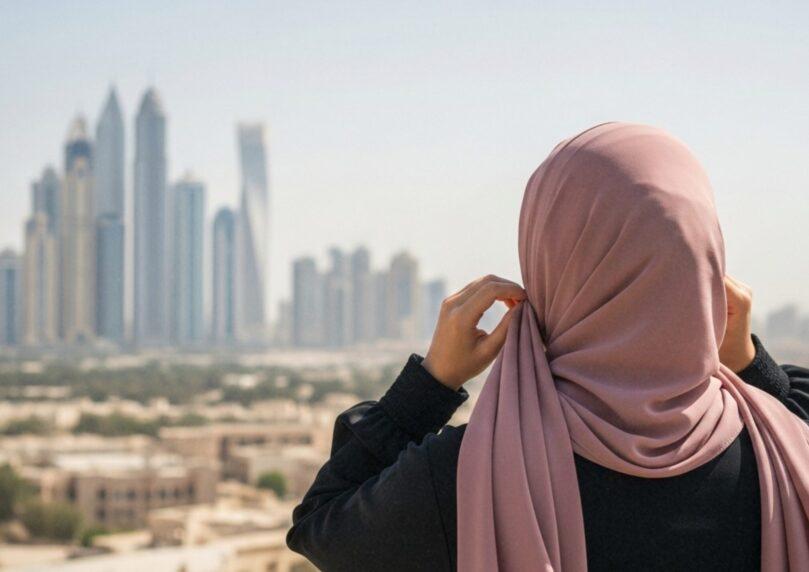

The government of Azerbaijan has tightened dress code regulations across state schools, banning attire that does not conform to the “secular principle of general education.” While the official decree does not explicitly mention the hijab, its practical enforcement has led to the exclusion of headscarf-wearing students and educators from classrooms, igniting demonstrations across the Muslim-majority country.
Video: social media
The Cabinet of Ministers in Baku adopted the measure on September 21 as a formal amendment to national public school uniform guidelines. According to the official text, garments that compromise uniform consistency or contradict the secular character of the public educational system are strictly prohibited. The regulations place legal responsibility on parents and guardians to ensure student compliance, while delegating discretion over disputed attire to each school’s pedagogical council. Traditional national dress is restricted solely to designated ceremonies and requires prior council clearance.
Although the word “hijab” does not appear in the regulatory text, schools nationwide have reportedly begun denying entry to covered pupils. Female teachers have likewise been directed to remove head coverings as a condition of continued employment. Zahra Hasanova, a local educator, recounted being notified she could no longer teach while wearing a hijab, insisting her decision to wear the headscarf is an exercise of personal conscience.
Students Boycotted Classes
Enforcement of the uniform decree has fueled street demonstrations and extensive social media pushback since Monday. Circulating video footage showed students embracing and weeping alongside dismissed teachers who were turned away at school gates. Local reports indicate pupils in at least two educational institutions staged classroom walkouts in protest.

 2+
On October 6, the administration broadened dress code mandates to encompass instructional staff. Teacher guidelines require neat, simple, professional attire suited to local seasons and strictly adhering to the principle of secularism. State authorities emphasized that the provisions establish an obligatory standard rather than uniform apparel.
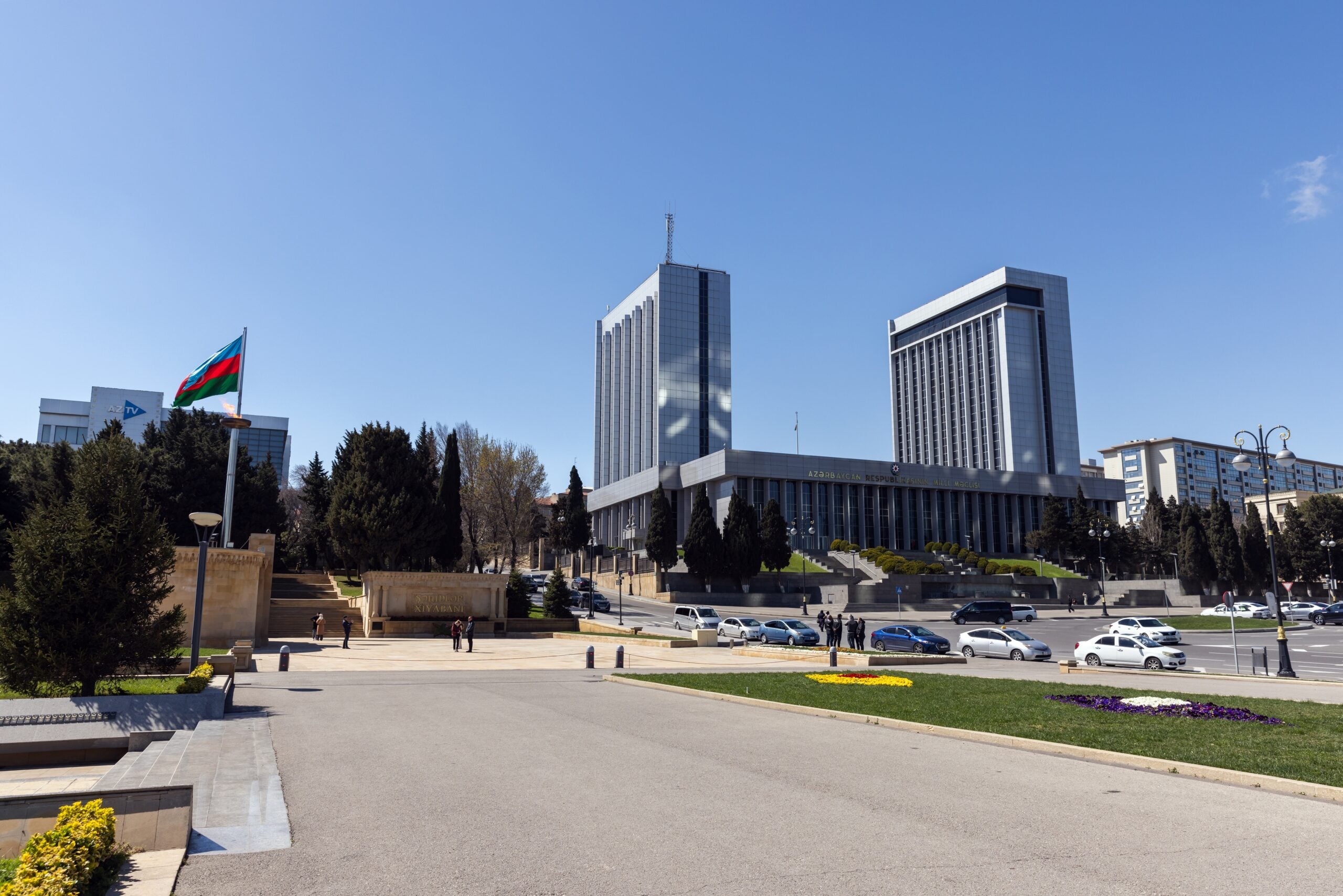
Baku has rejected claims that the policy constitutes an assault on Islam. Member of Parliament Jeyhun Mammadov noted there is no general nationwide ban on the hijab or niqab, stressing that the restrictions apply exclusively to school environments. He added that the code also bans miniskirts, dyed hair, extended artificial nails, and sportswear during academic periods.
 2+
Although overwhelmingly Muslim, Azerbaijan is constitutionally a secular republic. The administration portrays the uniform code as vital to safeguarding a standardized, non-denominational educational sphere, whereas detractors charge that the mandate infringes on religious freedom and compromises female education.
Protests Reached Turkey
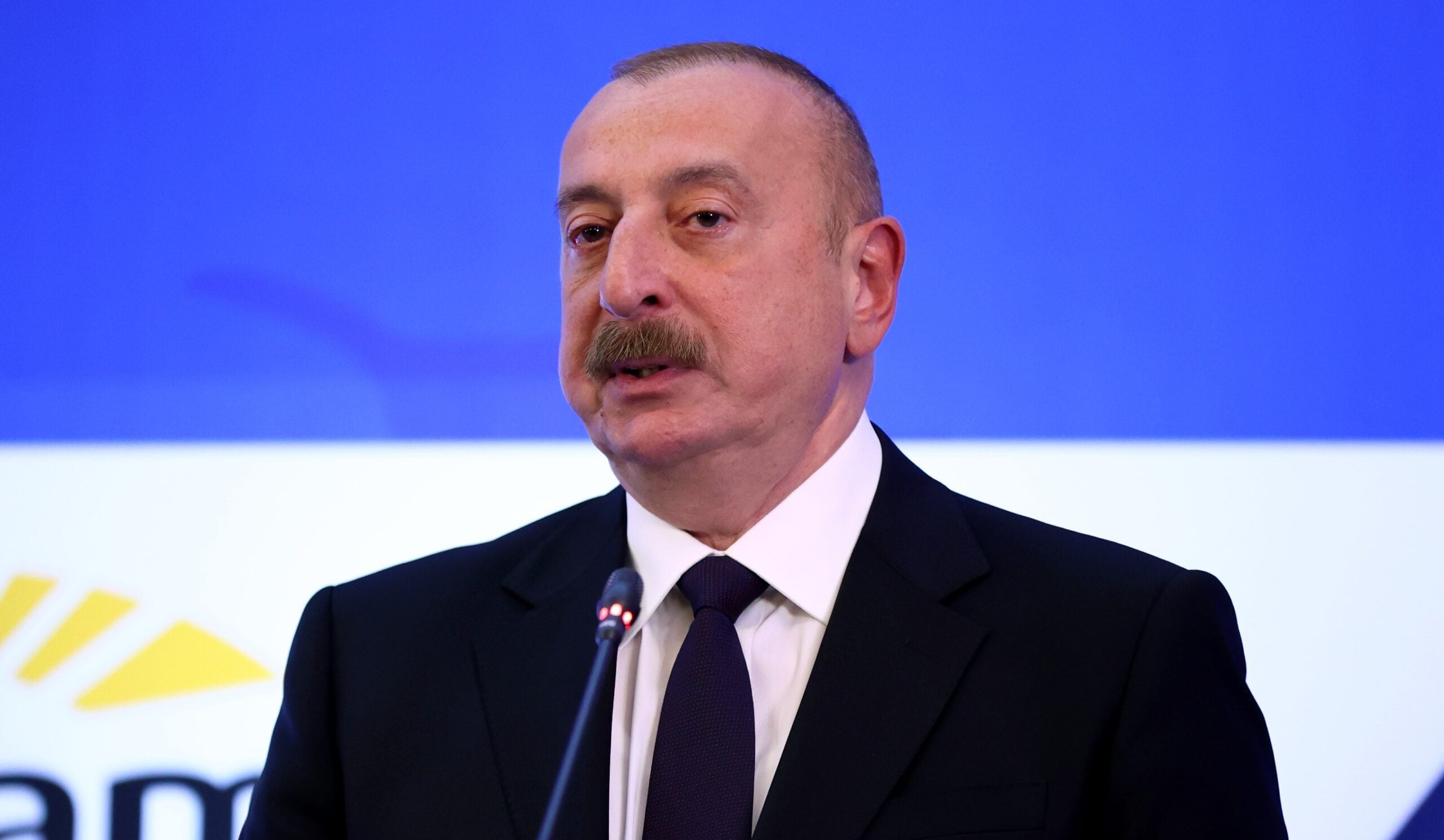
The domestic friction quickly resonated beyond Azerbaijan’s borders. Demonstrators rallied outside the Azerbaijani consulate in Istanbul, calling on Baku to rescind the restrictions and drawing parallels to past bans historically enforced in Turkish universities and civic bodies. Azerbaijani President Ilham Aliyev delivered an indirect rebuke to criticism originating from Turkey, his country’s foremost regional ally. Addressing his ruling party, Aliyev cautioned against foreign elements attempting “to meddle in our way of life,” without explicitly citing Turkey. Ankara has abstained from issuing a formal diplomatic rejoinder.
 2+
Meanwhile, educational authorities across Azerbaijan began school inspections to verify compliance with uniform requirements. According to state news agency APA, school administrators have conducted informational briefings with students and parents to articulate the updated baseline. The debate is projected to endure, given that the regulations avoid naming the hijab while systematically functioning to prevent covered individuals from entering schools.
The policy generated extensive coverage throughout Arab media outlets, though institutional pushback has largely been restricted to faith-based bodies, media commentators, and digital activists rather than sovereign governments. Outlets in Egypt and Lebanon framed the development as a blanket ban on the hijab. Al Jazeera gave prominent airtime to the unrest, labeling the initiative an “undeclared hijab ban” while contrasting official secular rhetoric with the practical exclusion of veiled students and staff.
Supporters of the Move: We Won’t Become Iran
Alongside the backlash, domestic voices online have rallied behind the regulations as an indispensable safeguard of Azerbaijan’s secular identity. Backers argue that the agitation surrounding headscarves transcends student rights, functioning as an ideological lever for religious groups seeking to replicate the model of the Islamic Republic of Iran.
Video: social media
A social media user named Arzu posted on X that religious slogans heard at rallies do not stem from genuine concern for schoolchildren, arguing instead that the objective is “to destabilize Azerbaijan and turn it into Iran.” She emphasized that the Azerbaijani nation endured protracted struggles to secure sovereign independence and national identity, and will not permit Iranian-aligned factions to alter the country’s fabric.
Rashad Majid, chairman of the Azerbaijan Press Council, likewise defended the uniform mandate as essential to preserving a secular pedagogical space, citing foreign influence behind the unrest. Commentators across Azerbaijani forums echoed the sentiment, alleging that actors connected to Tehran are exploiting the hijab controversy to amplify strategic influence along Iran’s northern border.