



Three Iranian men are on trial in the UK, accused of spending months conducting surveillance in London on behalf of Iranian intelligence. Their targets included two journalists working for Iranian opposition broadcaster Iran International, the London-based Persian-language outlet that Tehran designated a terrorist organization in 2022. A founder of UK Lawyers for Israel also appeared to be on the list.
Mostafa Sepahvand, 41, Farhad Javadi Manesh, 46, and Shapoor Gelehali Khan Noori, 57 are accused of assisting a foreign intelligence service. The prosecution says the defendants admit doing the surveillance; the dispute is about why. Sepahvand is accused of preparatory conduct, intending to carry out serious violence himself. Manesh and Noori, of preparatory conduct, intending violence would be done by someone else (Sepahvand).
The case against the three men
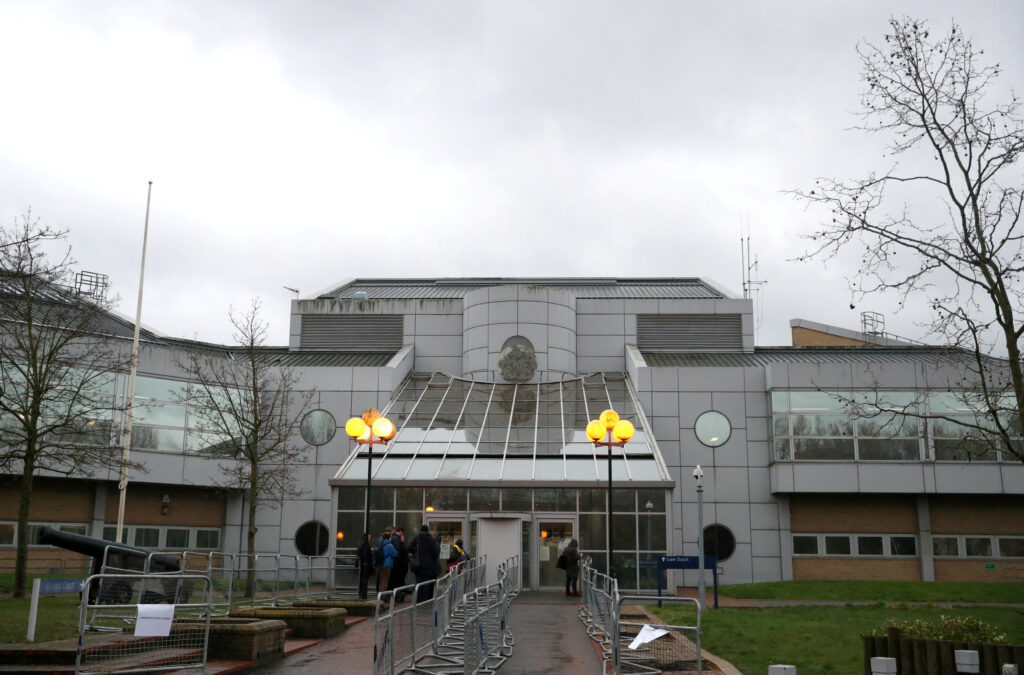
The trial opened at Woolwich Crown Court and is expected to last six to eight weeks. Most of the evidence comes from the defendants’ phones, seized when counter-terrorism police arrested them on May 3, 2025.
The first target named in court is popular journalist Mojtaba Pourmohsen, a writer, host, and investigative reporter at Iran International. Sepahvand’s phone held screenshots of ChatGPT queries asking for Pourmohsen’s address in London. The chatbot declined to give one, offering a summary of his career and suggesting he could be reached through Iran International.
تکمیل شبکه تازه فساد فروش نفت در اطلاعات سپاه؛ نقش یک سردار و سردارزاده فراری به مسکو
— Mojtaba Pourmohsen/ مجتبا پورمحسن (@m_pourmohsen) October 5, 2026
On Sepahvand’s phone, investigators also found what prosecutors called a “targeting package” written in Farsi. It carried Pourmohsen’s photograph, the address of Iran International’s parent company and details of a west London hotel where he spent the 2024 Christmas period because he no longer felt safe at home.
Cell-site data from the men’s phones, and from a SIM card built into Sepahvand’s Mercedes, placed them near a block of flats where Pourmohsen had lived until 2023 on several days in December 2024. Sepahvand later received videos of the building. The defendants seemed not to have known that Pourmohsen had moved out by then.
“Bro they sent these to me.”
Prosecutors say the instructions for that first visit arrived two days earlier. Sepahvand sent 10 WhatsApp messages to Mostafa Ghorbani, one of his contacts in Iran, then deleted them. “Bro they sent these to me,” he wrote afterwards.

The second journalist targeted was Kambiz Hosseini, a satirist and presenter who joined Iran International in 2024. The jury heard that the defendants shared a briefing with the address where he was staying, along with the color of the car he drove and the name of his dog. Prosecutors said the men filmed or visited the area at least six times in December 2024, saying “The fear and psychological impact caused to him by discovering that all of these details were known to the Iranian intelligence services, and were being provided to these defendants, is unimaginable.” They emphasized that for years, Hosseini has been the subject of threats and intimidation by the Iranian intelligences services – just a few examples are
a message sent via Instagram threatening him with execution, a voice note he received in which he was told “prepare yourself, the IRGC will take care of you.”
The third individual targeted appeared to be a lawyer named Jonathan Turner, a founder of UK Lawyers for Israel. Prosecutors said, “The Islamic Republic of Iran is profoundly hostile towards the state of Israel, and it would appear that being a “Lawyer for Israel” is enough to put you on the radar of the Iranian Intelligence Services, and so to have your details circulated between these two defendants.” Prosecutors said Sepahvand sent Javadi Manesh aerial images of the group’s registered office and of the barristers’ chambers of Jonathan Turner of UK Lawyers for Israel in August 2024. Turner had come to the attention of Iranian intelligence for reasons unrelated to journalism, the court heard.
In early 2025, Sepahvand and Noori also filmed an office building in Kingston upon Thames after receiving a new briefing from Iran. Prosecutors said the instructions were so vague that they went to the wrong address.
Money and a court case in Iran
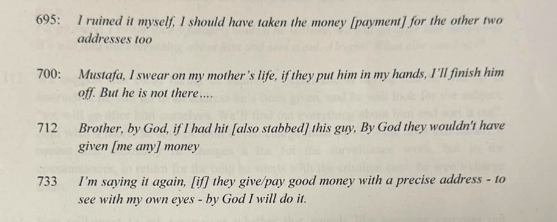
The prosecution’s account of motive rests on WhatsApp messages between Sepahvand and contacts in Iran, read to the jury in translation.
Most of the traffic ran through two Iranian numbers, one used by Mostafa Ghorbani and the other stored in Sepahvand’s contacts as “Amin Mostafa’s friend.” Both referred to a third figure, “Haji,” whom Ghorbani linked to Etela’at, Iran’s intelligence ministry.
Sepahvand wanted something beyond payment, the court heard. He had a theft conviction in Iran and hoped his handlers would have it overturned. Later messages show him asking that the case be cut from 28 thefts to four.
In a voice note from early 2025, Sepahvand complained that he had been sent £3,500 while spending more than £8,000 of his own money. He said his handlers had promised to settle his court case and pay him £150,000 to “finish the job.” Unless the target was at the address, he added, he would not be held responsible.
In evidence presented in court, Sepahvand ranted, “This is an illegal job. It’s something that constitutes a criminal offence, and it carries a heavy prison sentence. At the absolute minimum, they should transfer £10,000 for now….This offence, it’s not as though I’m committing some opium-related offence. You yourself know the nature of this offence. You know what kind of offence it is that I’m committing.”
In another message, Ghorbani told him he was expected to “hit or kill the journalist,” according to the prosecution. Sepahvand replied that he would not touch the target until his own case in Iran was resolved. His handlers, prosecutors said, wanted it the other way around.
What the defendants say
None of the three disputes the surveillance itself. The trial turns on why they did it. Sepahvand accepts he was working for the benefit of the Iranian regime. His case is that he acted under duress, fearing what would happen if he refused, and that he did a bad job on purpose. He claimed the regime was to blame for his father’s death, and in a prepared statement to police he said the regime had tortured him.
The prosecution told jurors the exchanges read as friendly and contained no threats to Sepahvand. Defendants Javadi Manesh and Noori admit going to the addresses and recording what they saw. Both deny knowing the work was for Iranian intelligence. In police interviews, Javadi Manesh said he hated the regime and had been looking for somewhere to live. Noori said he had fled Iran because his life was in danger.
The prosecution does not have to prove that any of the men supported the regime, the prosecution said. A promised £150,000 would be more than enough to overcome any ideological reluctance, he told the jury. The trial continues.