


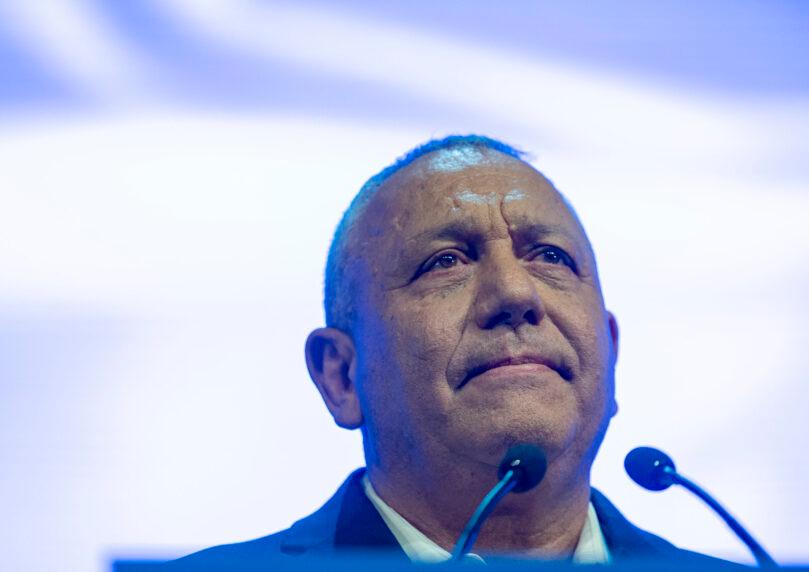

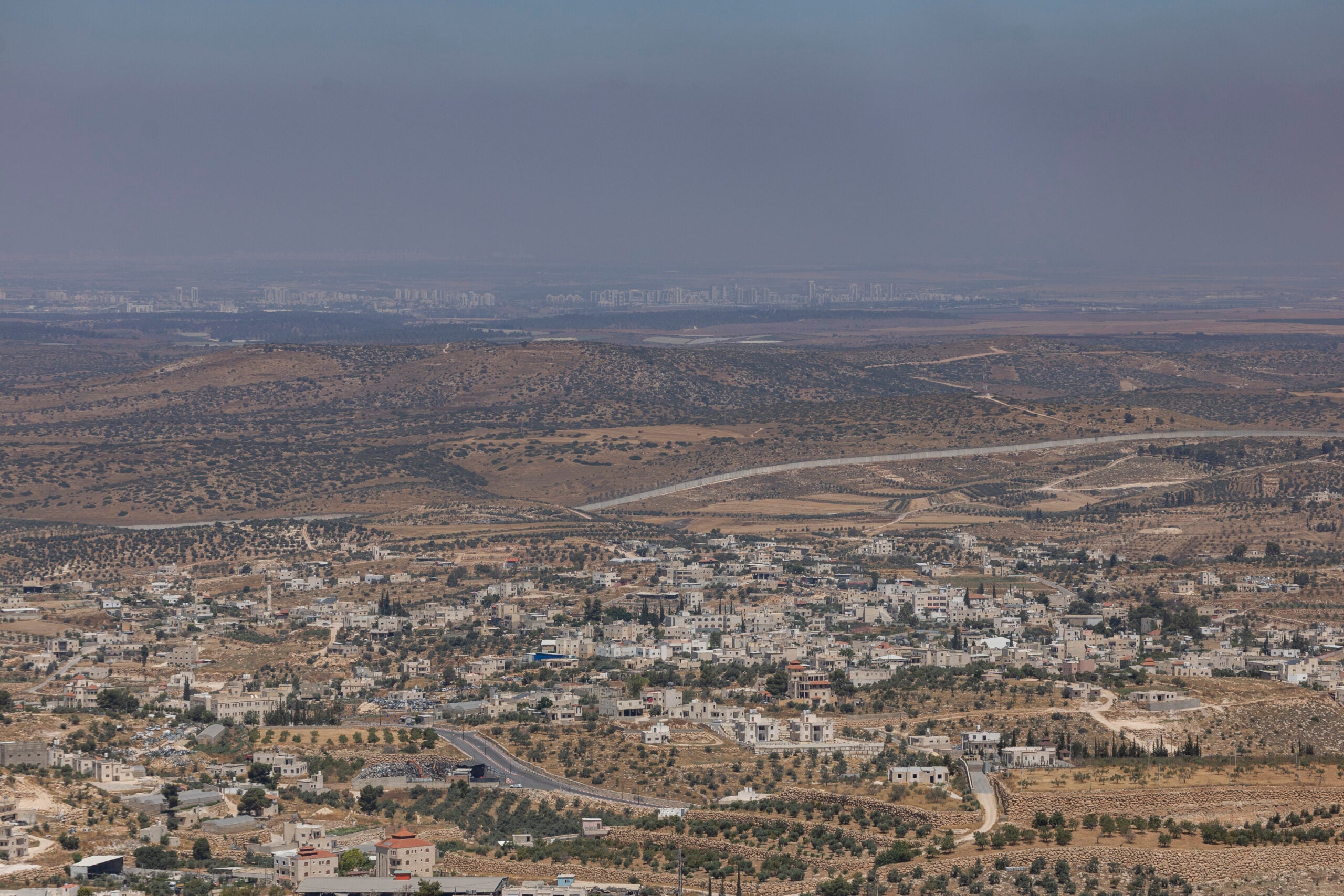
Yashar chairman Gadi Eisenkot declared himself a big supporter of Jewish communities in Judea and Samaria. But in an interview with Makor Rishon set to publish tomorrow (Friday), Eisenkot clarifies that he believes in “blocs”—a common code phrase used by supporters of withdrawals from Judea and Samaria and establishing a state or autonomy for Arabs in Judea and Samaria. In the interview, the Yashar chairman makes clear he opposes construction in the E-1 area of Ma’ale Adumim that the government approved.

 1+
1+Eisenkot previously stated that “after October 7, settlement in the south and north takes on renewed importance in my eyes. If resettlement in Judea and Samaria is according to national interests and according to law, I’m in favor of strengthening resettlement.”
But now his words sound somewhat different. In the new interview, the former IDF chief of staff clarifies that “Yashar supports legal construction in accordance with the interests of the State of Israel. We will work to strengthen and develop the Jewish blocs according to law and in accordance with Israel’s national interests.”
 1+
1+According to him, “for 17 years Netanyahu blocked construction in E-1 with all his might for international considerations. Continuing to advance this plan as a result of political and coalition pressures alone is a mistake that costs Israel a heavy international price. Yashar will consider the national and security interests of the State of Israel, and will not allow narrow, specific political considerations to take priority over strategic national interests.”
Finance Minister Bezalel Smotrich responded sharply to Eisenkot’s remarks: “As I said immediately, Gadi Eisenkot surrendered to international pressure and committed to the Europeans to stop our revolution in Judea and Samaria, which prevents the next October 7—five minutes from Ra’anana, Kfar Saba, Netanya and Afula. We must not abandon the State of Israel to Gadi, Yair, Naftali, Golan and Mansour Abbas. We’re not gambling at the ballot box, and we’re going with the sure thing: Religious Zionism.”