




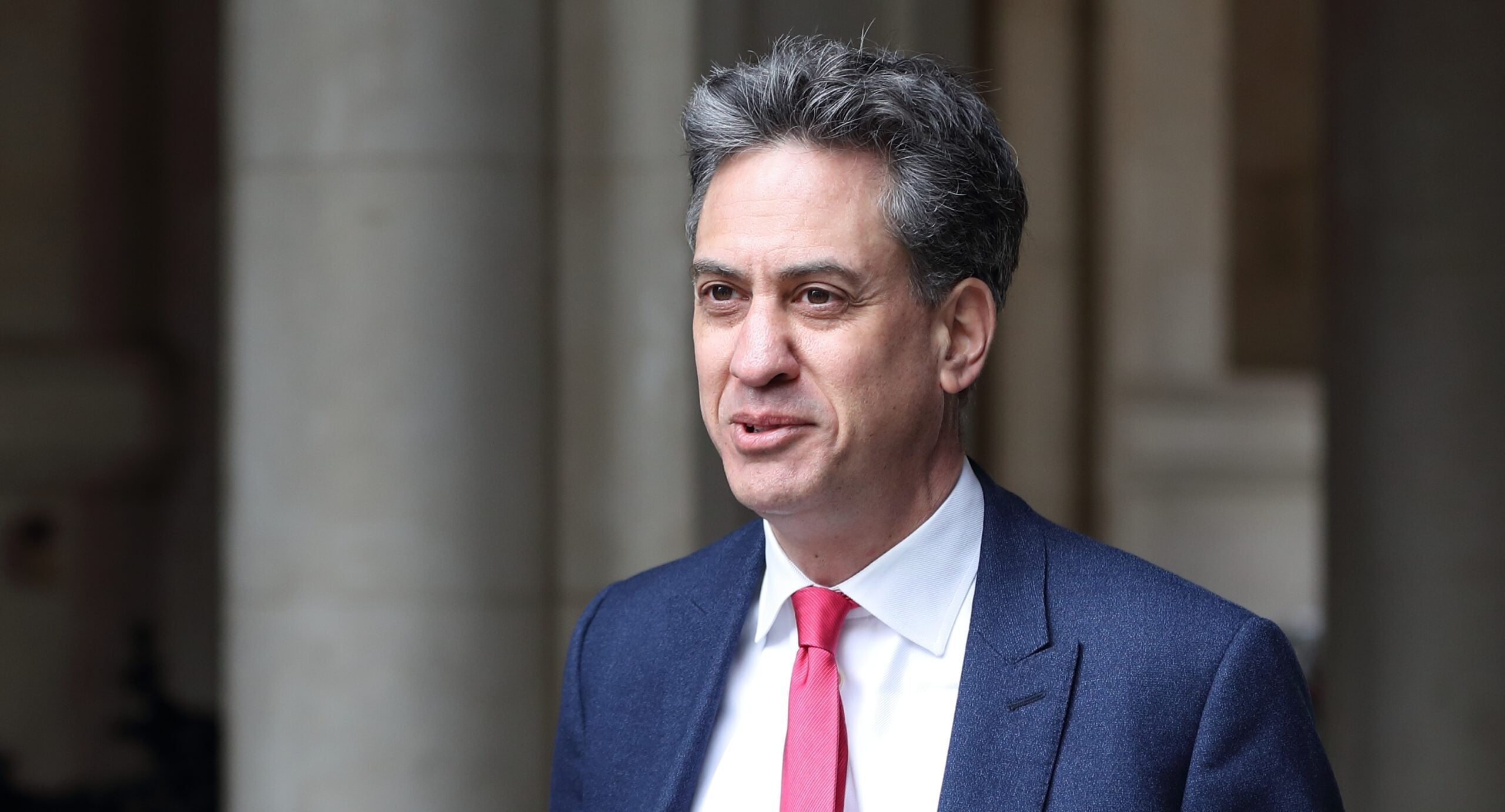
After Israel’s announcement Thursday morning revoking the official diplomatic status of the British Consulate in Jerusalem, the British government is working to minimize the fallout from the diplomatic rift, seeking to present bilateral understandings as a continuation of its presence. UK Foreign Secretary Ed Miliband announced that the consulate “will not close,” but will instead operate under a new title: the “British Delegation, Jerusalem.” He added that London will not pursue retaliatory measures against Israel at this stage.
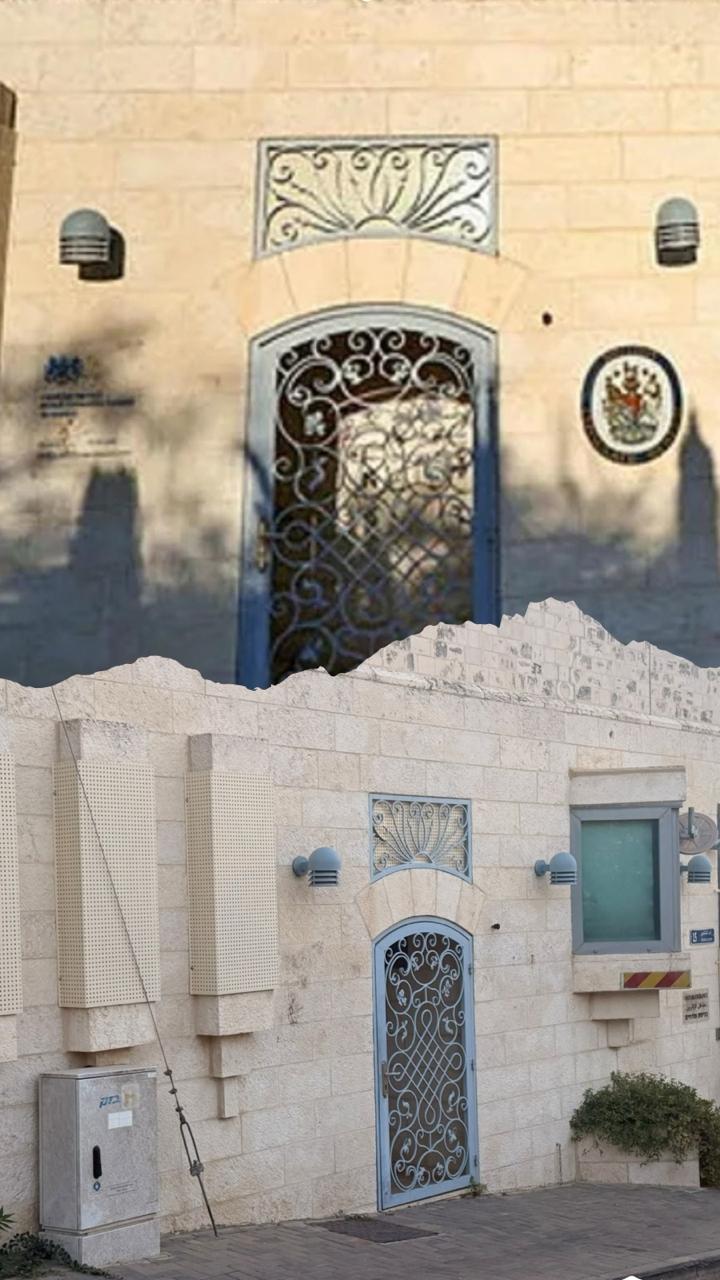
In an official statement released via the British Embassy in Israel, Miliband tried to emphasize operational continuity in Jerusalem while opposing Israel’s position. “We have been clear in our position that we do not accept that the Israeli government has the legal right to close the British Consulate General in Jerusalem, which has existed for nearly 200 years,” he stated, further reiterating that the United Kingdom continues to consider eastern Jerusalem occupied territory.
Despite London’s formal objections, Britain confirmed that following bilateral discussions with Israel, the diplomatic post will adjust its name and operate under a revised framework. Miliband clarified that the delegation will continue delivering vital services and engaging with the ‘Palestinians’, seeking to safeguard Britain’s ongoing footprint in Jerusalem and its backing for a two-state outcome.
Beyond the formal rhetoric, Israel’s assertive move puts London in an awkward diplomatic bind. While Britain’s recent diplomatic moves against Israel were intended, in part, to signal support for the ‘Palestinians’, the Israeli counter-response has led directly to a reduced British diplomatic profile in Jerusalem. This stands to constrain the UK’s capacity to advance its regional diplomatic initiatives with the ‘Palestinians’ at the exact moment it seeks deeper involvement.
The British statement is widely viewed as an exercise in damage control, intended to downplay the severity of Israel’s sanction and reassure domestic audiences that its historic presence in Jerusalem persists. Nonetheless, London’s acquiescence to changing the mission’s designation and continuing engagement without imposing countermeasures highlights a clear intent to avoid further inflaming the dispute.

Miliband also addressed security concerns regarding British personnel. According to the Foreign Secretary, absent functional understandings with Israel, the British government lacked the necessary security guarantees to protect its staff and consular compound. Consequently, several staff members and their dependents were temporarily relocated, with the UK aiming to restore its full footprint in the coming months.
The fundamental contrast between the two governments’ accounts remains stark: Israel emphasizes the complete stripping of diplomatic privileges and the curtailment of the mission’s operations, whereas Britain highlights that the physical premises remain open. In Jerusalem, officials continue to condition any restoration of the consulate’s previous diplomatic status on the outright repeal of British sanctions against Israel.