


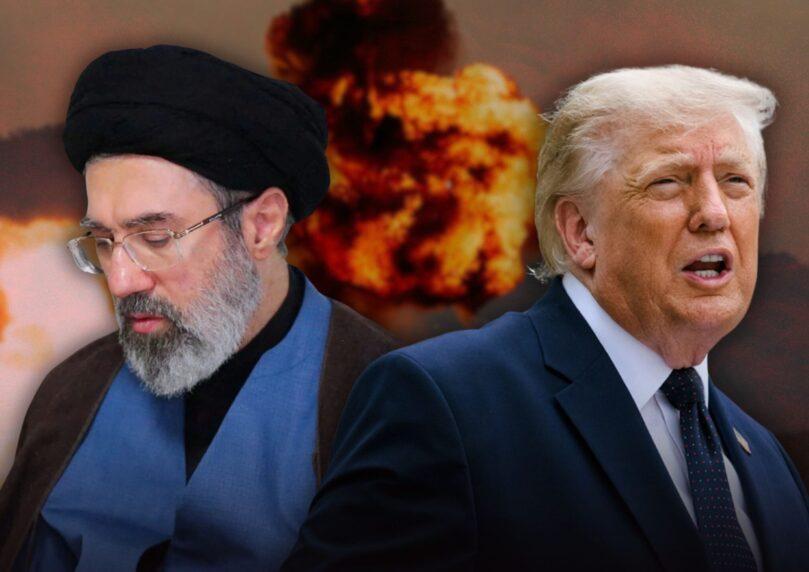

The White House has requested the Pentagon draft actionable military options for an additional round of strikes against targets in Iran that could be carried out before the U.S. midterm elections on November 3, according to a report published Wednesday evening by The Atlantic. According to the report, the proposed move seeks to demonstrate tangible wartime progress and help lower soaring domestic fuel prices, though no final operational decision has been made.


Two U.S. administration officials who spoke with The Atlantic indicated that the scope of the potential strike and specific target lists remain under active discussion. U.S. Central Command (CENTCOM), which oversees operations in the theater, is responsible for assembling the operational plans.
Supporters of the maneuver within the administration believe that executing a limited strike following a period of relative operational lull would allow President Donald Trump to project decisive strength and secure a tangible foreign policy achievement ahead of the election—potentially providing vital momentum for Republicans. Nevertheless, proponents acknowledge that a limited operation is unlikely to compel Iran to the negotiating table, guarantee freedom of navigation through the Strait of Hormuz, or bring immediate relief to retail gas prices before Election Day.
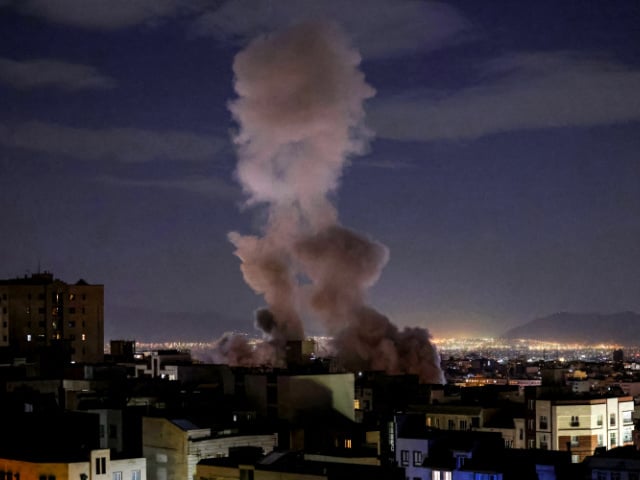
Concurrently, officials warned that renewed strikes could trigger Iranian retaliation, placing approximately 50,000 American military personnel deployed across the region at risk alongside Washington’s Gulf allies, while further depleting critical American munitions stockpiles. The war with Iran has evolved into a significant political liability for the Republican Party, driven in large part by surging gasoline and diesel prices that GOP candidates fear could damage their electoral prospects. According to the report, Ken Paxton, the Republican nominee for Senate in Texas, characterized high fuel costs as “without question the single biggest issue” confronting his campaign.
President Trump has recently signaled that strikes could resume after the vote, yet last week said that while he expects the U.S. to achieve victory “right after the election,” he added: “Maybe before the election.” Alongside military contingency planning, the Trump administration continues to engage in indirect talks with Tehran. However, the parties have yet to reach consensus on terms or timetables for a ceasefire, lifting the U.S. blockade on the Strait of Hormuz, and reopening it.
The White House assesses that Iran is currently experiencing its weakest posture since the onset of hostilities, with the Iranian economy under severe strain, inflation spiking, and its political leadership increasingly factionalized. Conversely, administration officials estimate that hardline elements in Tehran retain considerable influence and are in no hurry to agree to a deal.
According to The Atlantic, authorizing a strike before the midterms could be perceived as a high-stakes bid to increase leverage over Tehran—yet it also risks backfiring, thrusting the regional conflict and its economic fallout directly to the forefront of voters’ minds just as Americans cast their ballots.