


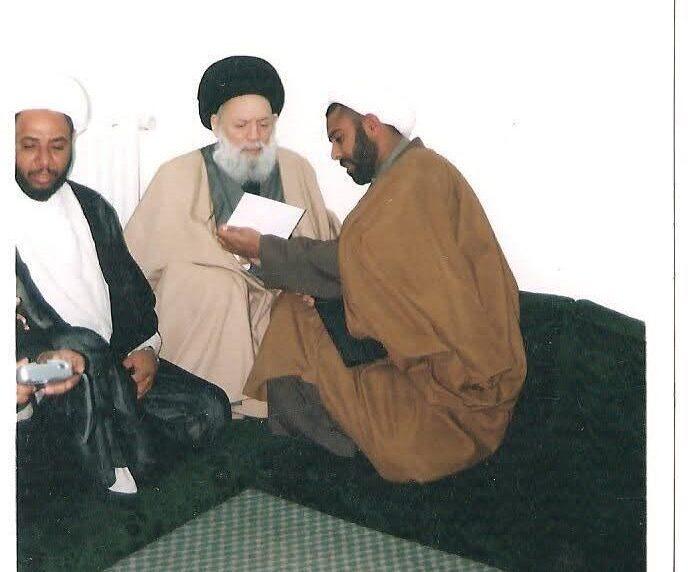

Last week, a television segment went viral across Arab social networks featuring Iraqi commentator Ghaith al-Tamimi on Sky News Arabia openly praising Israeli Prime Minister Benjamin Netanyahu. The remarks garnered millions of views and even drew a direct share from Prime Minister Netanyahu himself.
We spoke with Tamimi, the scholar at the heart of the viral phenomenon, to trace the journey that radically altered his worldview.
Amid heightened regional turbulence and confrontation between Iran and Israel, his perspectives carry unique weight: he knows the Shiite Axis from the inside, served as an ordained Shiite religious cleric, and met directly with top Iranian supreme leadership figures.

 2+
Today, Tamimi levies scathing criticism against dogmatic champions of the Palestinian cause, arguing it has devolved into an exhausting liability for the broader Arab world.
Yet his beginnings could not have been more different: “I was born into an environment hostile to Israel,” Tamimi recalled.
“I was part of that society; I was raised in that world. I grew up hating America, hating Israel, and hating Jews.”
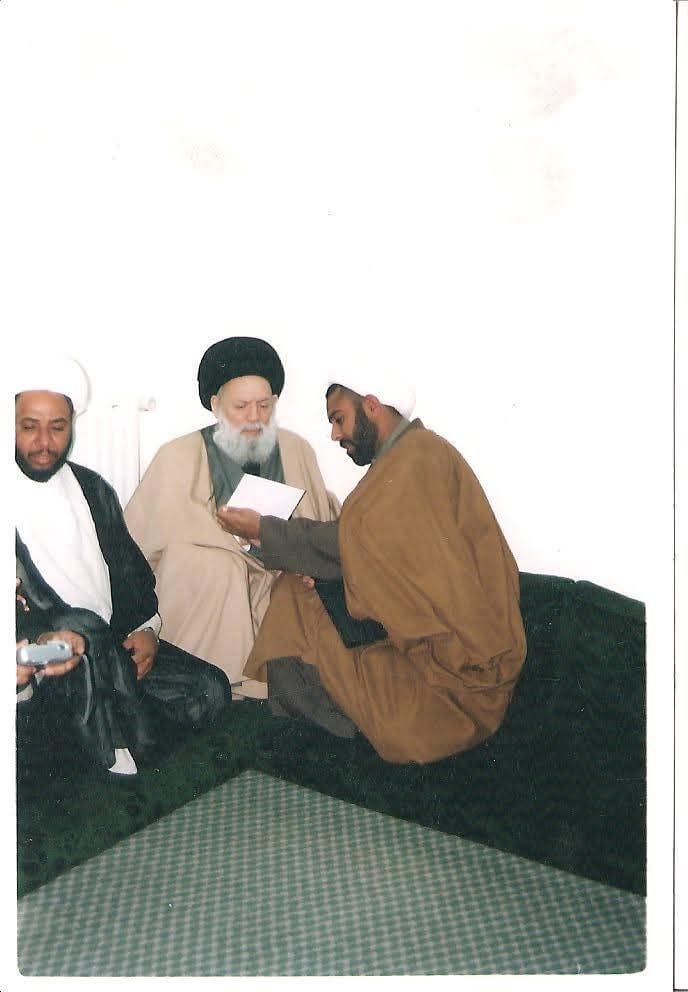
Born in Baghdad, Tamimi pursued advanced Shiite theological studies in Najaf, Iraq’s holiest Shiite city, rising through the clerical hierarchy to become a respected scholar.
Reflecting on that era, he explained: “I had two primary mentors—one was Grand Ayatollah Mohammad-Ali Taskhiri, and the other was Mohammad Mahdi al-Asfi. Both were intimately connected to Khamenei and counted among his close personal circle.”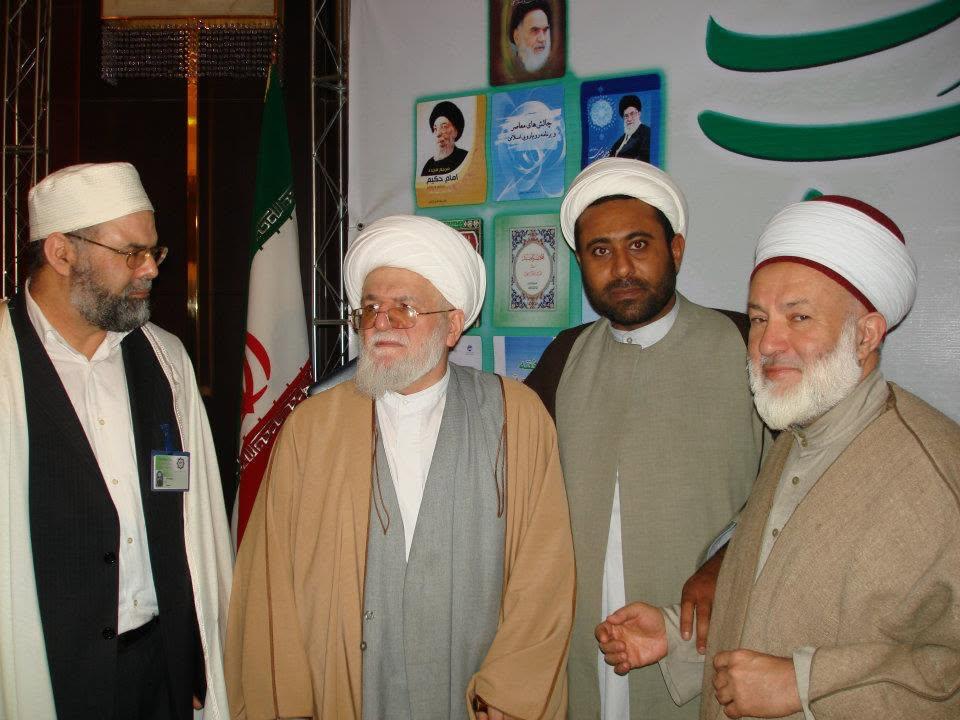 2+
In the early 2000’s, Tamimi became a prominent spokesman for the political movement headed by Muqtada al-Sadr, a key Shiite figure who led armed resistance against the U.S.-led coalition in Iraq. His activities led to his arrest by American forces in 2007, resulting in a four-year prison sentence. This background underscores the magnitude of his eventual ideological pivot.
According to Tamimi, the diversity of political thought he encountered during his imprisonment sparked a profound intellectual reassessment regarding Israel and the United States: “I state quite simply that I was born into that radical environment. The difference between me and others is that I spent years in prison, learning from the individuals incarcerated alongside me.”
He pointed to another critical catalyst: “During that era, the internet expanded rapidly. Accessing global information and translating foreign discourse became substantially easier.”
Tamimi also recounted his high-stakes diplomatic encounters with Iranian leadership. In 2013, while directing an initiative to foster Sunni-Shiite reconciliation, he was invited to a high-level summit in Tehran as part of an official Iraqi delegation.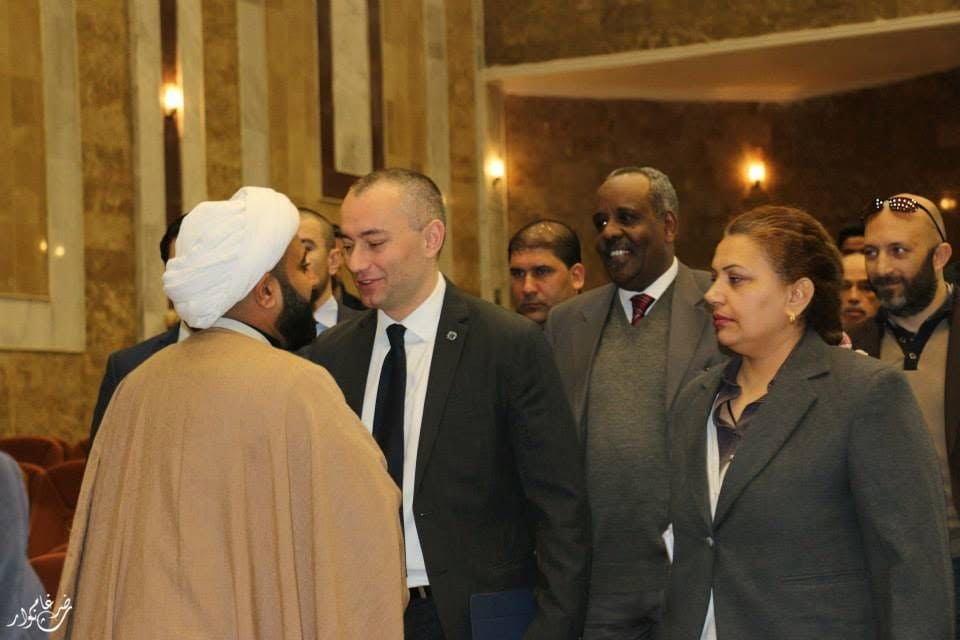 2+
The gathering took place against the backdrop of widespread Sunni demonstrations in Iraq protesting Iranian influence and sectarian discrimination.
Describing the room, Tamimi noted: “Present in that meeting were President Mahmoud Ahmadinejad, Ali Larijani, and General Qasem Soleimani.” During the audience, Iranian leadership urged them to adopt an accommodating stance toward Sunni jihadist factions: “He advised us to accommodate everyone and unify Islamic ranks to wage an ‘open war’ against Western civilization, which he defined as the ‘culture of Satan’ and the ‘culture of heresy and atheism.'”Tamimi’s ultimate transformation has been sweeping. Today, he argues that Israel, rather than Tehran, acts as a genuine benefactor to regional Arab prosperity: “I admire Trump’s America because it is an ally of the Arabs, it is strong, and it makes the right decisions. And I admire Netanyahu’s Israel for the same reason.” Fleeing Iraq with his family in 2015 following credible death threats, Tamimi currently heads the “Iraqi Citizenship Project,” dividing his time between Erbil in Iraqi Kurdistan, London, and the United Arab Emirates. Once a militant cleric battling Western troops, Ghaith al-Tamimi now stands as an outspoken voice viewing Israel as a critical regional partner.