


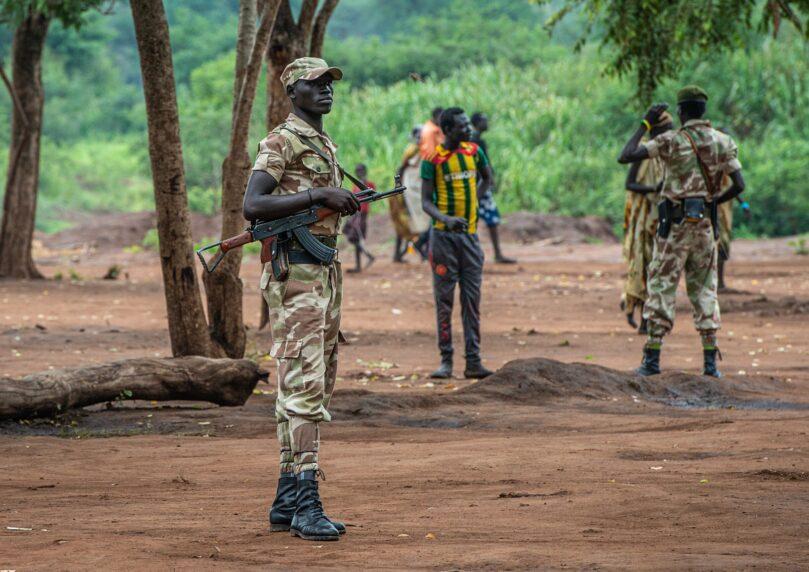

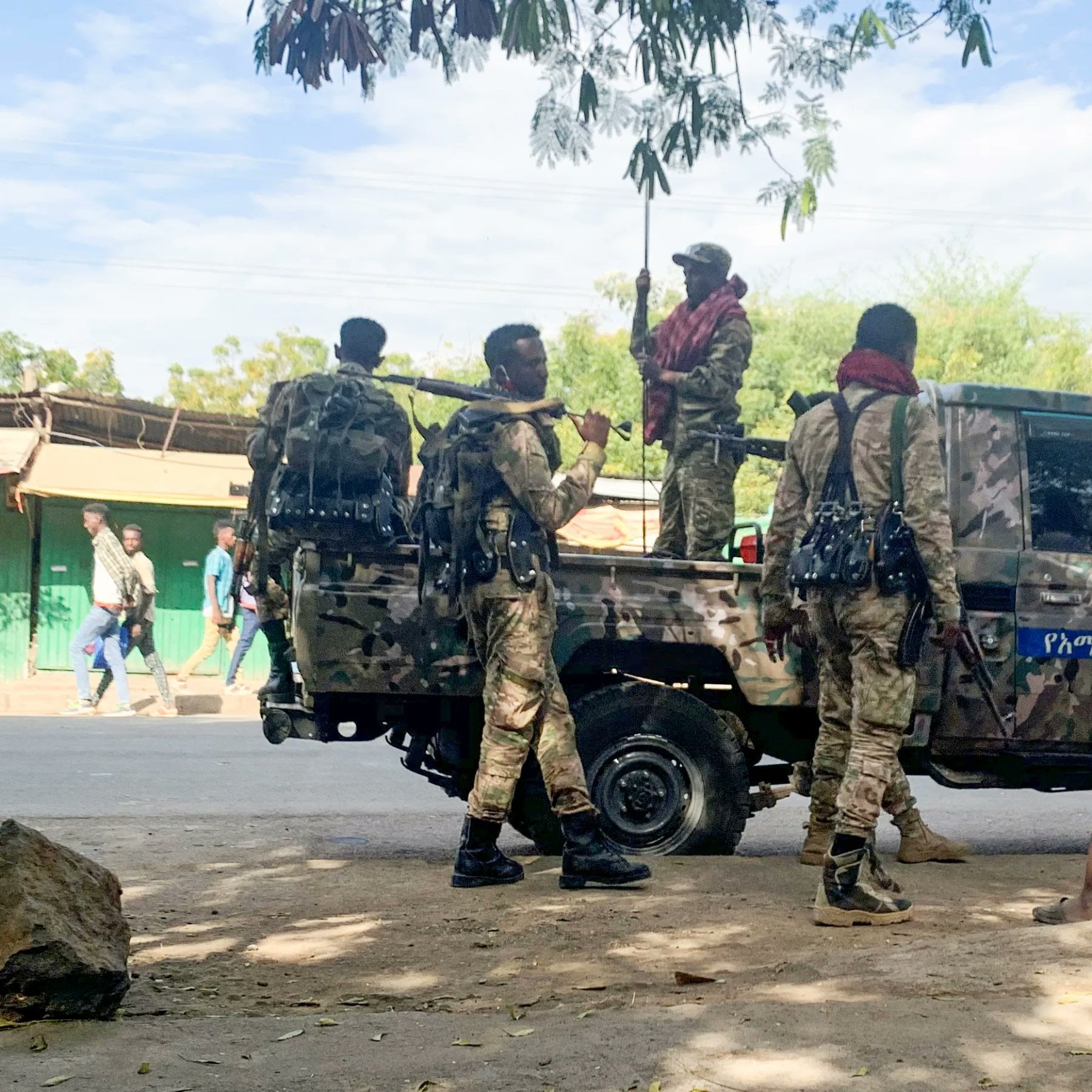
Residents of Ethiopia’s northern Tigray region reported on Wednesday that Eritrean military forces have deployed in and around regional towns over recent days—nearly two weeks after a sharp military escalation reignited conflict in the area. Eyewitnesses said contingents of these forces are currently pushing southward toward Mekelle, Tigray’s regional capital, following the tactical withdrawal of Tigray People’s Liberation Front (TPLF) rebels.
Video: social media
These field reports come amid deteriorating relations between Ethiopia and Eritrea, which escalated sharply last week when the two neighboring countries formally severed diplomatic ties. Before the diplomatic breakdown, when TPLF rebels declared renewed hostilities against the Ethiopian federal government and Prime Minister Abiy Ahmed, accusations of Eritrean coordination surfaced immediately—allegations Asmara initially dismissed.
According to residents quoted by AFP: “Eritrean soldiers have been in Adigrat for four days, and the residents are very alarmed.” Another eyewitness reported seeing “Eritrean troops in large transport trucks, patrol vehicles, and armored transports” advancing toward the town of Edaga Hamos, roughly 20 kilometers south of Adigrat. He added: “They are moving through heavily armed with heavy weaponry.”

 2+
The Root of the Conflict
Eritrea became the immediate suspect for Ethiopian authorities after Asmara previously refused to grant landlocked Ethiopia sovereign access to the Red Sea. Fearing that Prime Minister Abiy Ahmed might seek to secure maritime access by force through Eritrean territory, Asmara backed anti-government factions within Tigray that threatened to destabilize his administration. Following initial official denials, Eritrea appears to have actively re-entered the military arena.
Prime Minister Abiy Ahmed was awarded the Nobel Peace Prize in 2019 after brokering a landmark peace agreement with Eritrea, which included ceding the long-disputed border town of Badme to Eritrean sovereignty following decades of war.
 2+
The Israeli Connection
Recently, Ethiopia explored maritime access through an emerging trilateral alignment with Somaliland and Israel. In January 2024, Ethiopia and Somaliland signed a memorandum of understanding granting Ethiopia access to the sea, well before broader international partnerships materialized. Under that agreement, Ethiopia leased a 20-kilometer stretch of coastline from Somaliland for 50 years, where it reportedly began developing a commercial port and naval installation.
However, both governments found themselves facing concerted diplomatic and military pressure from neighboring Muslim-majority states: Somalia, Sudan, and Egypt. In response, diplomatic engagement with Israel—widely recognized as a major military power—has served as a strategic counterbalance to insulate the Ethiopian-Somaliland maritime corridor from regional threats. Arab media analysts have noted that Israel’s diplomatic presence and strategic ties in Somaliland are a significant factor shaping the calculus in Cairo, Mogadishu, and Khartoum.
 2+
Direct armed combat between TPLF insurgents and Ethiopian federal troops erupted anew on September 23, stoking widespread international apprehension over a potential return to the catastrophic civil conflict that ravaged northern Ethiopia between 2020 and 2022. While regional analysts had previously assessed that Prime Minister Abiy Ahmed’s administration could contain internal flare-ups, the direct cross-border entry of regular Eritrean military units dramatically reshapes the battlefield equation.