




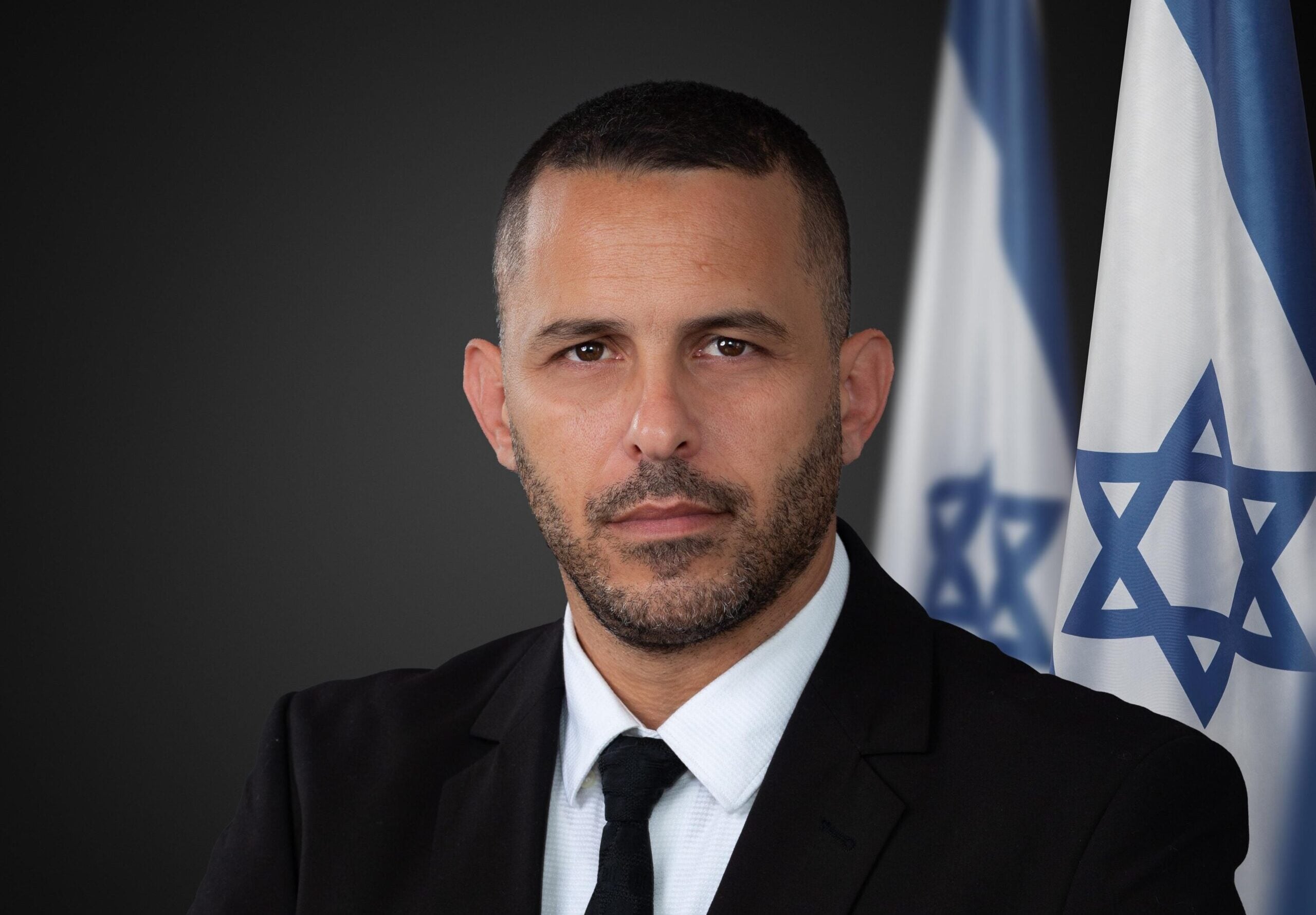
Against the backdrop of lessons from October 7, the head of the Prime Minister’s Office task force on combating crime in the Arab sector, attorney Roei Kahlon, warned Tuesday night at the President’s Residence that organized crime groups are accumulating combat capabilities and power that could become a security threat in the future.
According to Kahlon, the state cannot settle for asking what their current intentions are, but must act already at the stage of their growing strength. “Intent can change overnight,” he said. “Capability is built over years.”

 4+
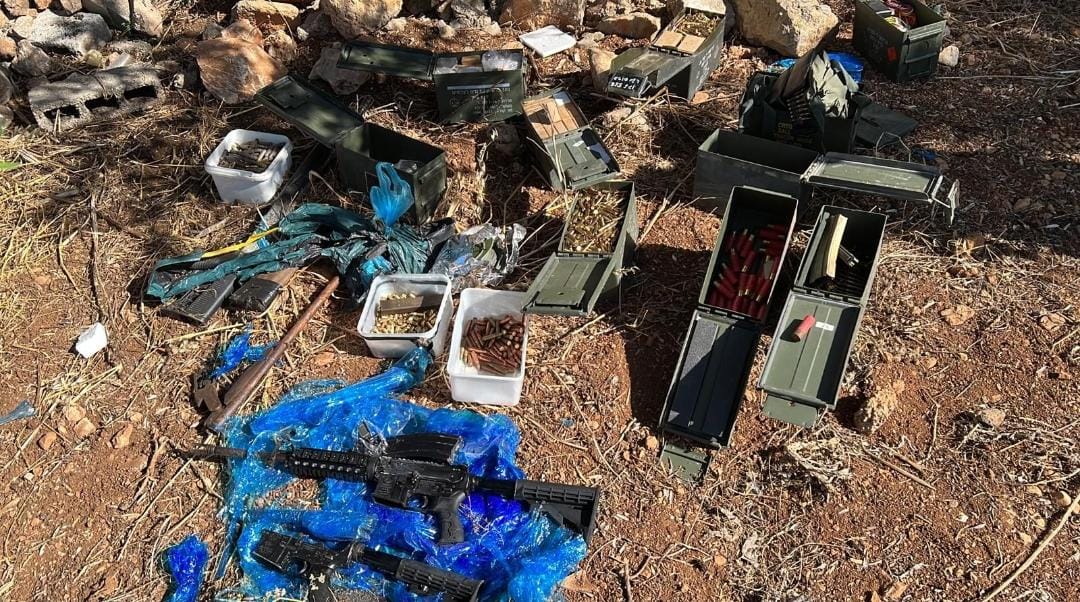
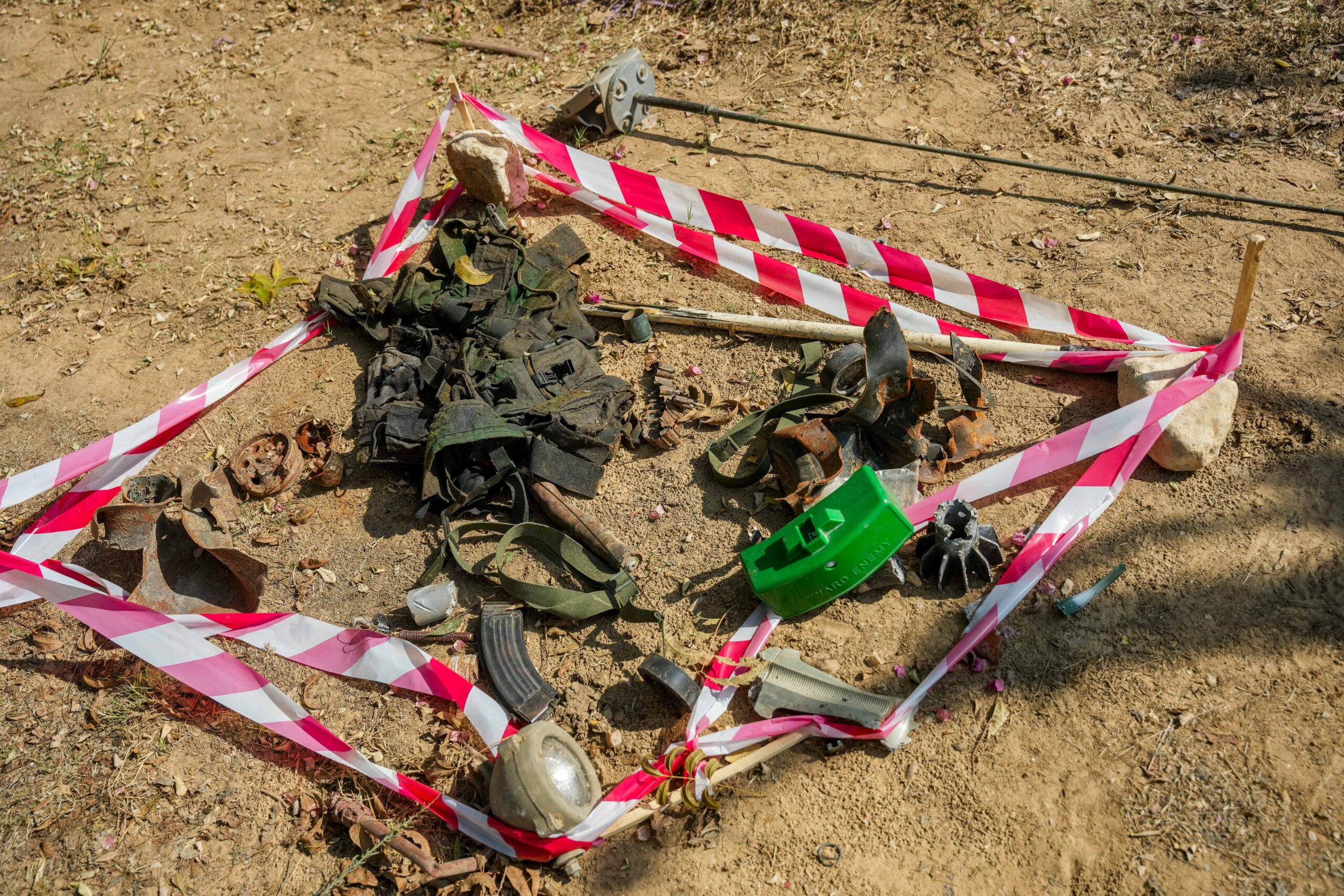
4+In recent years, Kahlon said, crime organizations have accumulated not just money and influence, but also military-grade combat equipment. Among other things, he points to LAW missiles, MAG machine guns, Claymore mines, and explosive drones in the hands of criminal elements.
Kahlon argues that the state cannot settle for examining the current intentions of these organizations, but must also assess the capabilities being built in their hands. According to him, today most conflicts between crime organizations revolve around money, control, territory, and revenge, but the fact that the current motive is criminal and economic doesn’t guarantee that the accumulated capabilities won’t be directed toward other purposes in the future.
 4+
4+In this context, he compares the danger to the conception that preceded October 7. According to him, the security establishment knew that Hamas was arming itself, training, and building capabilities, but assessments regarding its intentions and the ability to deal with it in time led to the threat not being assessed in its full severity.
Kahlon warns of a similar scenario inside Israel: the capability, he says, is being built right now, while the state is still waiting to see where the barrels will be pointed. He emphasizes that this is an extreme scenario, but one that in his view the state must prepare for in advance.
 4+
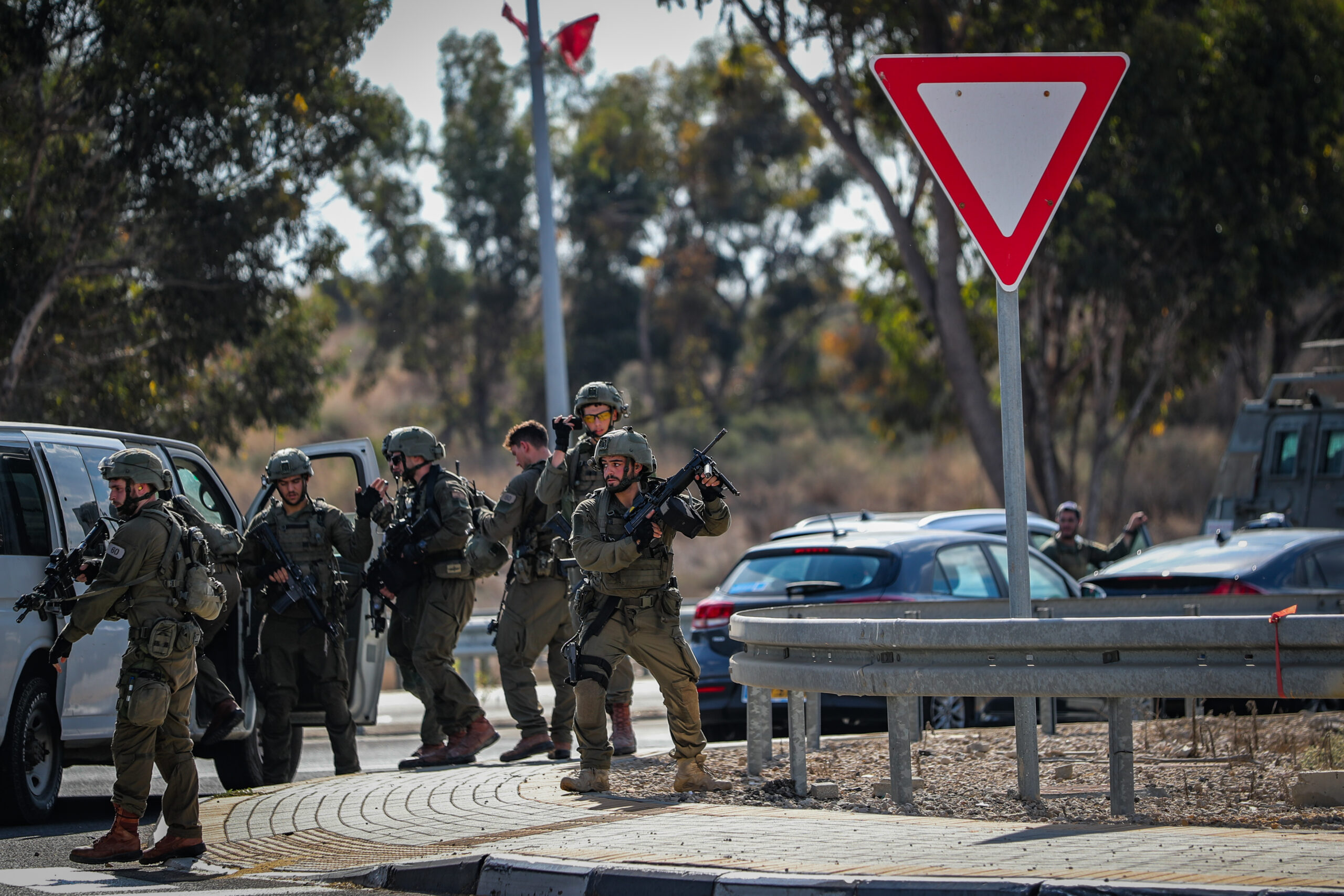
4+In the scenario he presents, during a broad war when security forces are deployed on multiple fronts, armed power centers inside Israel could exploit the overload and chaos. Kahlon describes the possibility of vans with Israeli license plates carrying armed men, use of machine guns and LAW missiles, operation of explosive drones, blocking of roads, attacks on infrastructure, and shooting inside residential areas.
According to him, there’s no need for all crime organizations to unite under one command to create a significant threat. A few armed power centers operating in parallel are enough to disrupt movement, split security forces, and create areas where the state will have more difficulty asserting its sovereignty.
Kahlon also raises the possibility that Israel’s enemies will try to recruit armed criminal elements for activity against the state through money, weapons, and incentives, without needing to convince them to adopt any ideology. However, he emphasizes that he’s not determining this is the scenario that will occur, but rather warning of the possibility and calling to act to prevent it in advance.
 4+
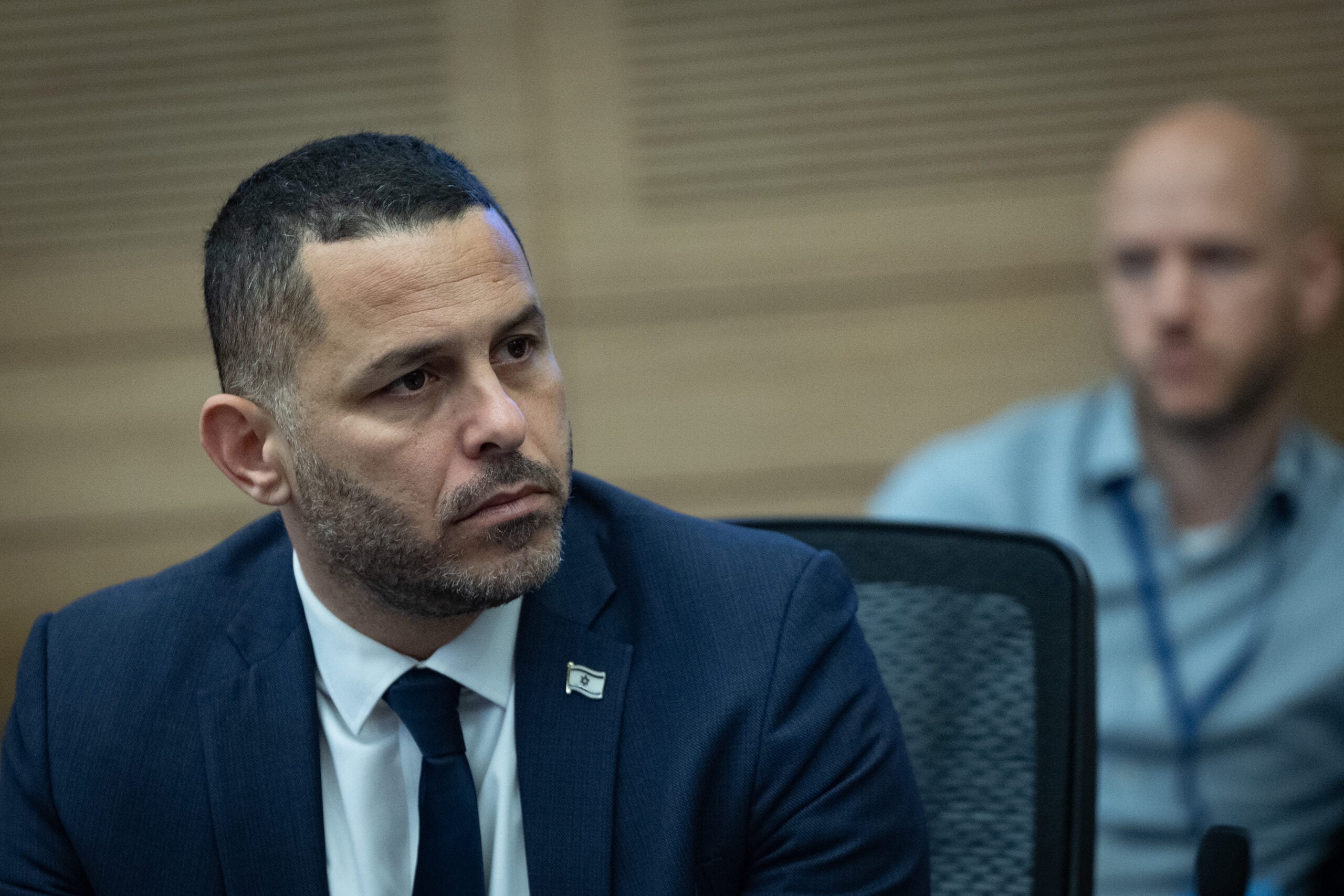
4+From here, according to Kahlon, a conceptual change is needed in dealing with crime organizations. Instead of waiting for a crime to be committed, investigating it, and filing an indictment, he calls on the state to act already at the stage of growing strength—to dismantle armed infrastructures, dry up funding sources, and prevent crime organizations from accumulating power and combat equipment on a scale that could endanger state security.
One direction Kahlon presents is advancing a move that would allow treating murderous crime organizations as terror organizations, thereby giving the state additional legal and enforcement tools to deal with them.
 4+
4+According to him, one of the central lessons from October 7 is not to settle for the question of what an organization intends to do at a given moment. “Intent can change overnight,” he warns, while military capability and operational infrastructure are built over years.
The message Kahlon presents is that the growing strength must be stopped while it’s still defined as crime, and not wait for the moment when it becomes a security threat. Alongside this, he criticizes the justice system, which according to him makes police work difficult and makes things easier for criminals in the sector.