


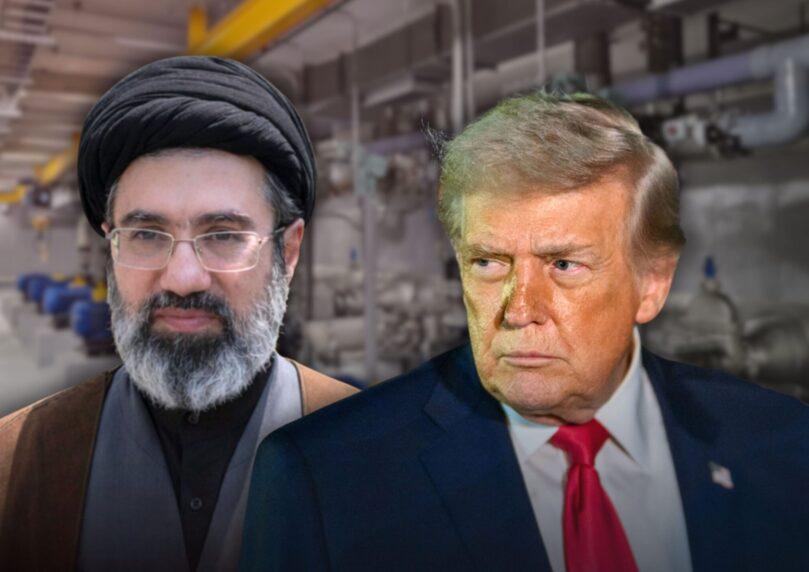

Diplomatic negotiations between Iran and the United States have remained stalled for several months, with recent statements indicating no breakthrough is on the horizon. On Wednesday, a senior Iranian official told Reuters that before Tehran returns to the negotiating table, Washington must first satisfy the regime’s preconditions—including the formal recognition of its right to enrich uranium.
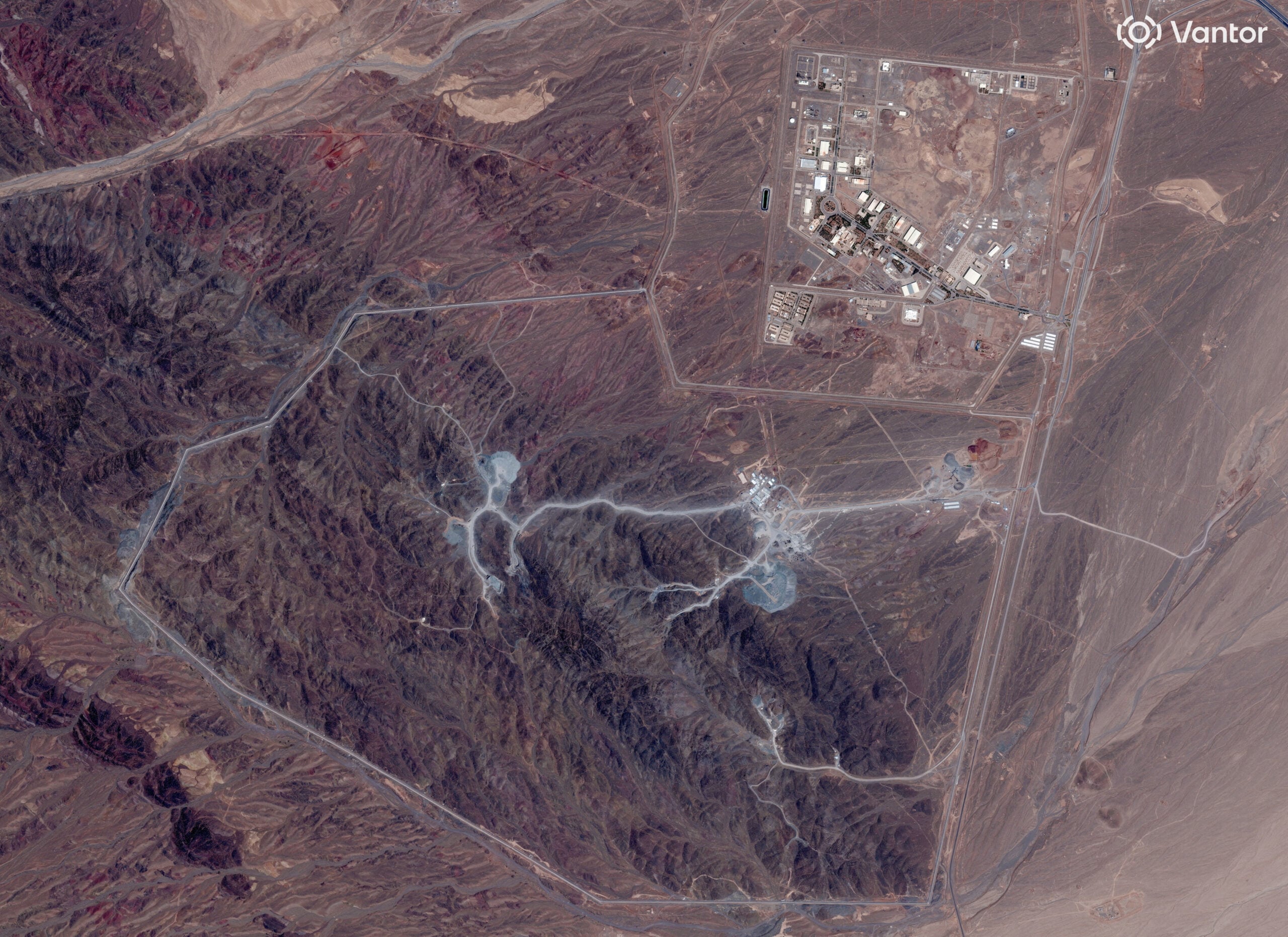

This rigid posturing comes amid visible internal maneuvers in Tehran to sideline Foreign Minister Abbas Araghchi. Following the death of Supreme Leader Ali Khamenei, Araghchi—once the Supreme Leader’s chosen diplomatic envoy—has increasingly come to be seen by hardline elements as excessively moderate. Recurring reports in recent months have weakened his standing, pointing to bitter friction between the Islamic Revolutionary Guard Corps (IRGC) and the foreign minister over the parameters of diplomatic engagement.
At the same time, the geopolitical standoff is being shadowed by an ongoing counter-terrorism investigation into a thwarted attack targeting a British Royal Air Force base. While direct Iranian state complicity remains under active operational review, it has not yet been formally established. Following the release of six previously detained suspects, authorities arrested an additional youth on Tuesday night on suspicion of involvement in the plot.