


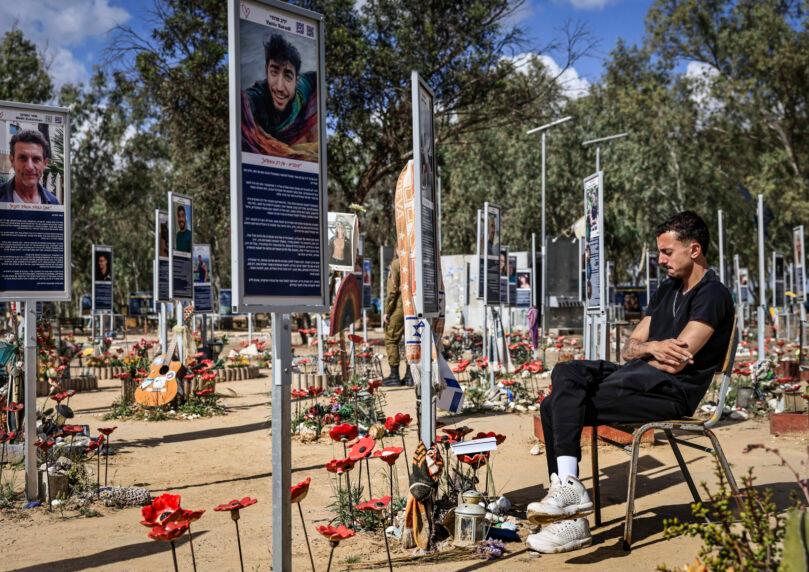

Today is October 7. Today marks the Gregorian anniversary of the massacre. But do we really need a specific date? We remember the slaughter every single day. The pain remains excruciating, recovery is long and arduous, the bereavement is raw, and the wound stays open. And yet, something about marking this national memorial day right on the heels of the official state day of remembrance held on the Hebrew date of 24 Tishrei—which we observed just two days ago—carries an unsettling resonance. This insistence on constructing an “alternative” feels painfully reminiscent of October 6.


 2+
We do not have two Holocaust Remembrance Days. We do not observe two Memorial Days for Israel’s fallen soldiers. The Yom Kippur War is not split across conflicting calendar dates. Yet today, there is a tangible sense of an arm-wrestling match not merely over the narrative, but over our collective national agony. To be sure, every citizen retains the fundamental right to commemorate as their heart dictates and commune with the memory of their lost loved ones however they choose. But staging an alternative event on an identical scale to the state ceremony, accompanied by a competing media offensive, sends a damaging message: that we are no longer one people.
It creates the illusion that at least half the nation rejects our official days of communion and refuses to connect with state ceremonies purely because a right-wing government happens to be in power. In reality, that premise is utterly false. Most of the public sees past the cynicism; Israelis connect wholeheartedly to the official state memorial on 24 Tishrei and will gladly honor alternative ceremonies on October 7. Who among us would ever decline to honor the holy souls who perished that horrific day, regardless of when we are asked to remember them?
 2+
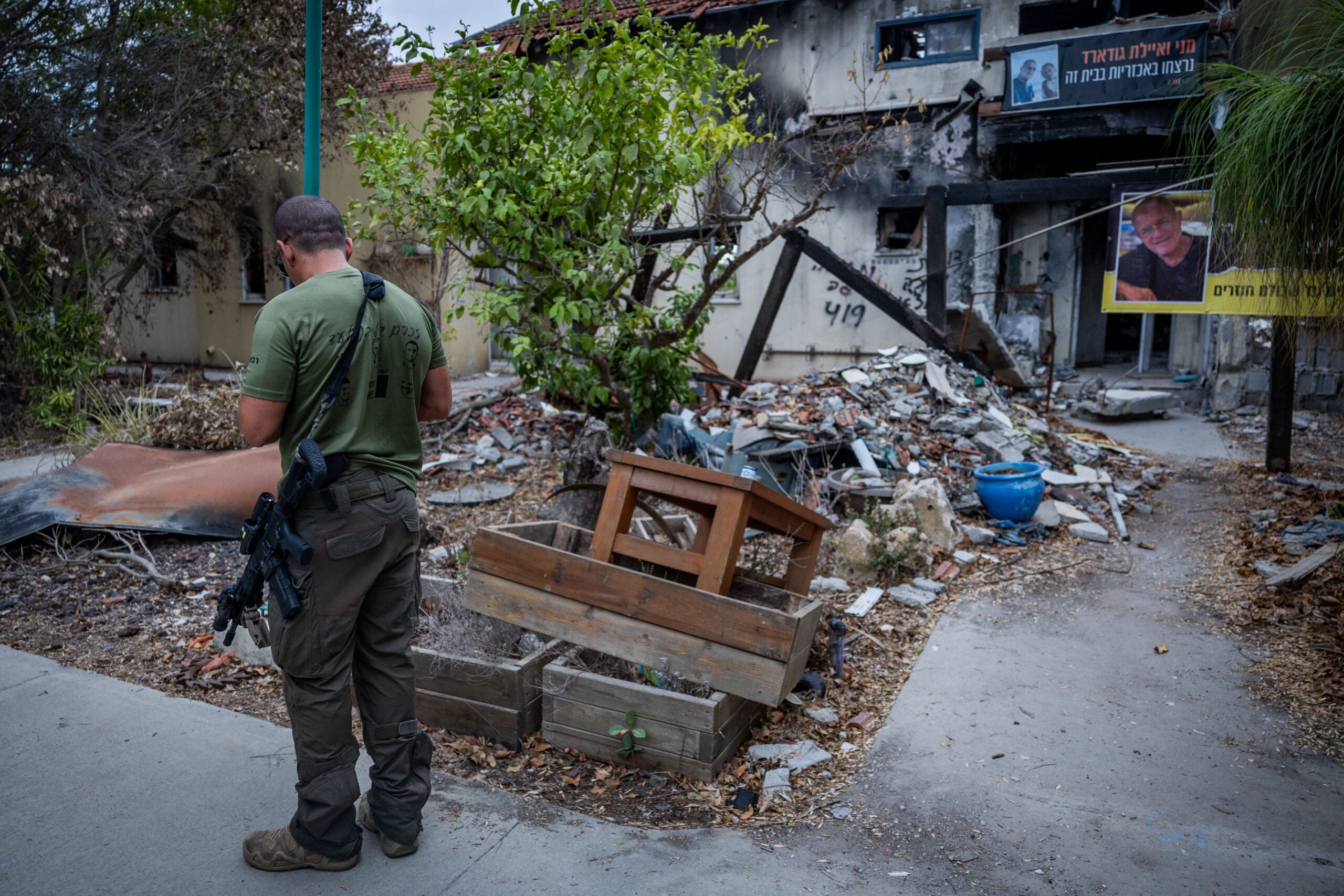
Yes, we will remember today. Absolutely today. But we must also remember why this terrible disaster befell us in the first place: where we stood just twenty-four hours before the onslaught, and how a narrow, vocal faction dragged our nation into acrimony, already seeking to divide our sacred memorial days back then.
Nor can we overlook the cynical exploitation of hostage families by protest organizers who, while our soldiers fought across seven fronts and families trembled for their captives, applied relentless pressure from the inside against our own leadership instead of mobilizing global outrage outward against Hamas. Such pressure inadvertently raised the ransom price on our hostages and gifted Hamas the stamina to hold out, clinging to the hope that domestic disruption might force an exorbitant concession. We cannot forget Yahya Sinwar’s explicit guidance to keep Israelis feuding from within—because our division has always been Hamas’s ultimate victory.
 2+
If we keep this reality firmly in mind, we can remember the horrors of the massacre today without succumbing to the partisan agendas being forced upon us during our most agonizing hours. We can recognize when grief is being co-opted. To genuinely remember October 7, we must remember October 6 just as clearly.