


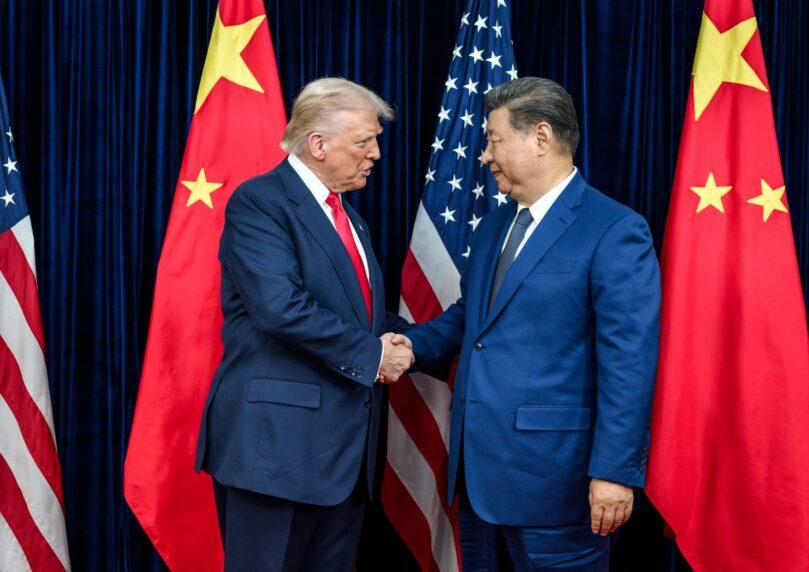

The administration of U.S. President Donald Trump is actively discussing the prospect of initiating reciprocal visits to sensitive nuclear facilities with China, planning to advance the initiative during upcoming diplomatic engagements. The discussions, which have so far been informal and exploratory, come amid escalating American concern regarding China’s rapidly expanding nuclear weapons program, particularly following the expiration of the final U.S.–Russia arms control treaty last year.
 2+
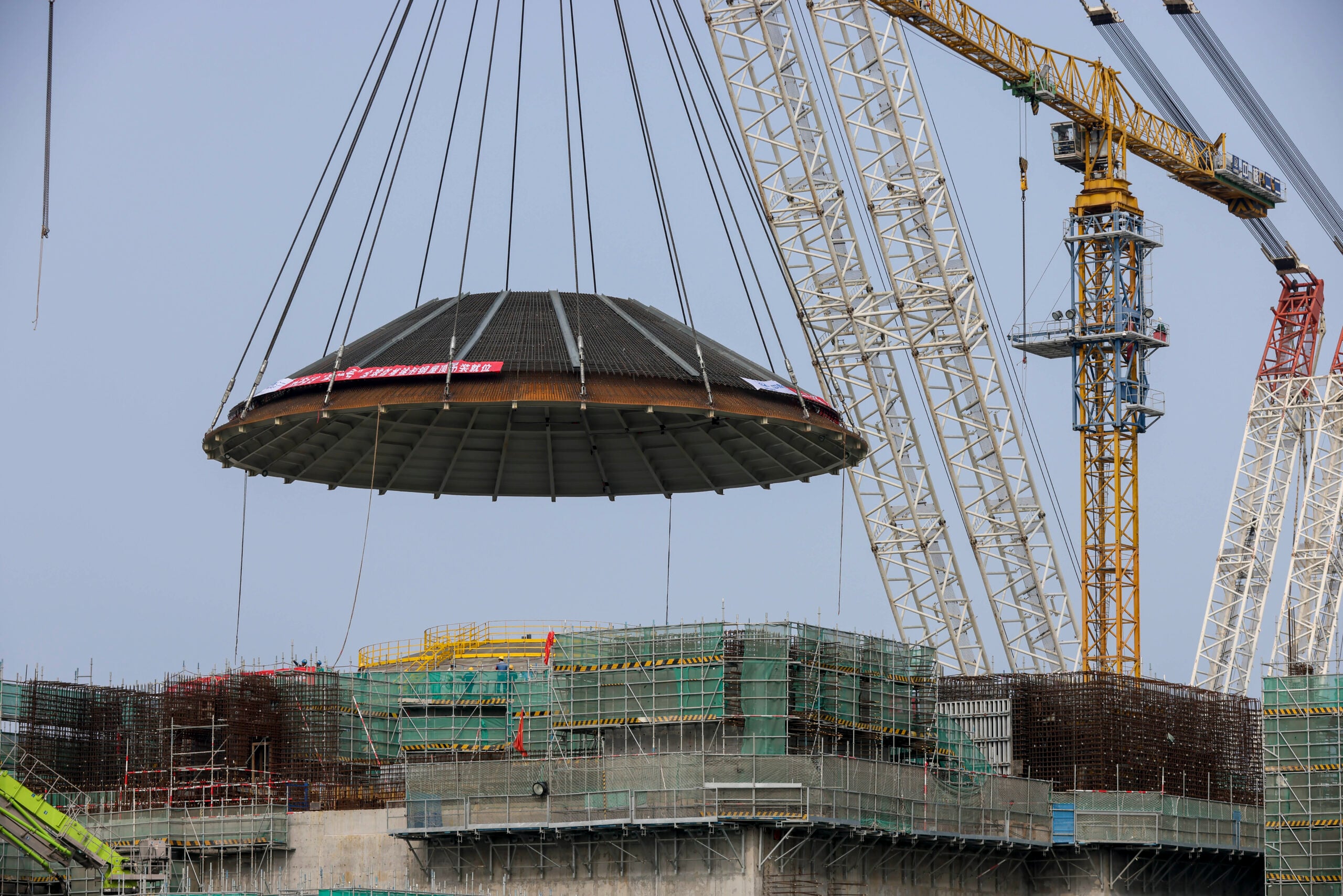
Chinese officials first broached the concept of reciprocal site access during bilateral engagements with American counterparts earlier this year, signaling the communissuperpower’s’s potential openness to targeted confidence-building measures. Dialogue has focused on reciprocal visits to U.S. Department of Energy national laboratories and their counterpart facilities in China, with Washington expressing willingness to expand the agenda to include historic nuclear testing grounds.
The United States has consistently sought to advance a comprehensive trilateral arms control pact involving Washington, Moscow, and Beijing. However, China has remained steadfast in its refusal to negotiate caps on its nuclear arsenal. While the U.S. maintains a substantially larger stockpile of approximately 5,000 warheads than China’s estimated 600, Beijing is expanding its strategic infrastructure at a record pace. It is projected to field hundreds of additional warheads over the next decade.
 2+
Paul Dean, former Principal Deputy Assistant Secretary of State handling U.S.S. arms control initiatives, noted that reciprocal visits would serve as an “extraordinarily valuable confidence-building mechanism” that could lay the groundwork for long-term nuclear risk reduction. Conversely, security skeptics warn that Beijing may have floated the proposal merely to project goodwill and present an appearance of engagement while harboring ulterior strategic intentions.
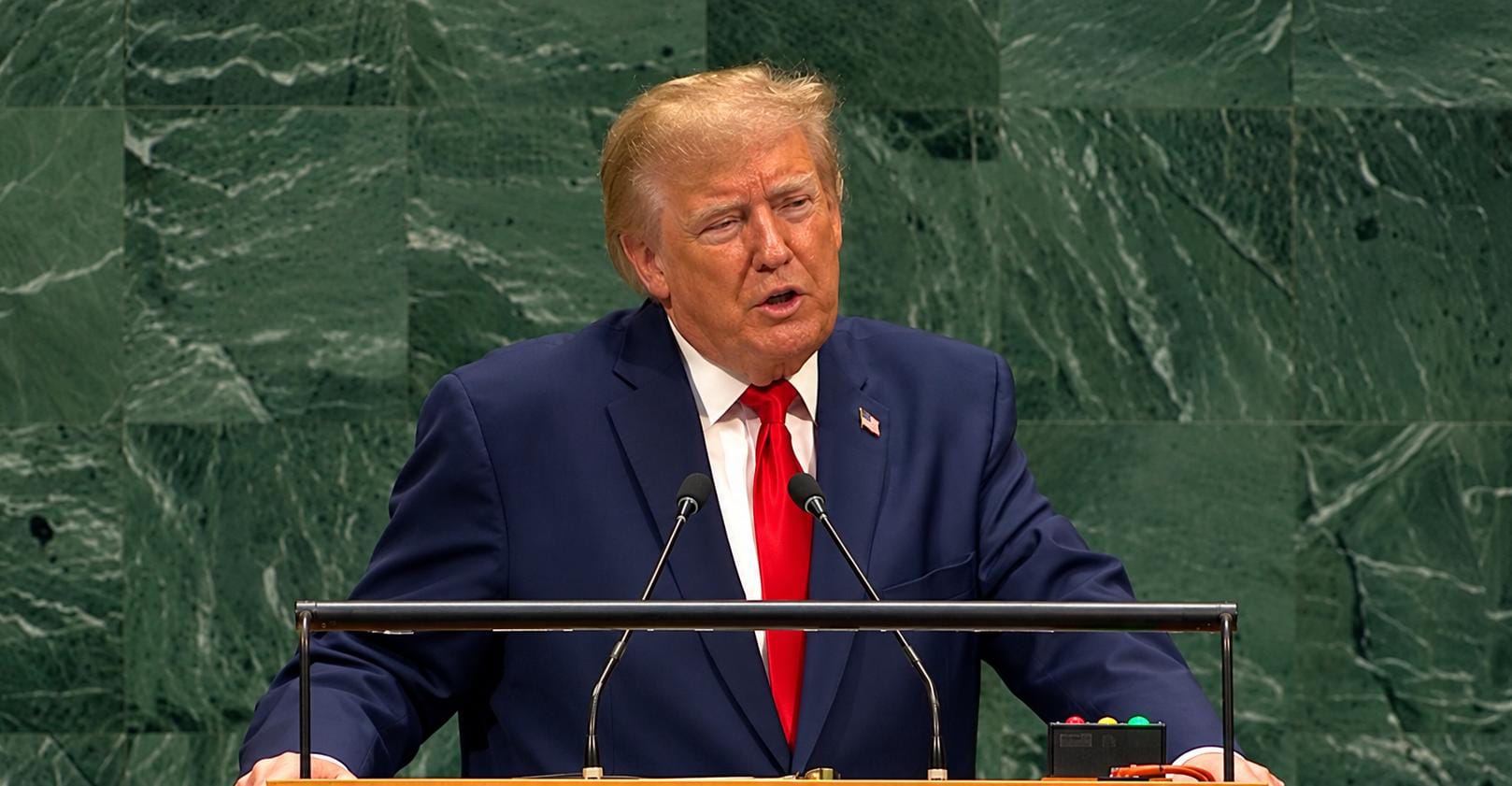
President Donald Trump reiterated his endorsement of trilateral nuclear arms negotiations among thU.S.US, Russia, and China during his meeting with Chinese leader Xi Jinping last month. Trump had previously declared that thU.S.US would resume nucl”ar testing “on an e”ual footing” with China and Russia if deterrence dictated. However, no explosive tests have been conducted since the statement.
 2+
Earlier this year, thU.S.US administration accused China of conducting a clandestine low-yield nuclear test in 2020 using specialized containment cavities—a technique known as decoupling designed to evade seismic detection. In response, the National Nuclear Security Administration (NNSA) conducted a controlled underground non-nuclear explosion last week—the second in a sequence of diagnostic experiments engineered to simulate the alleged Chinese test and calibrate next-generation detection sensors.
Gerald Brown, a defense analyst specializing in the Chinese military at the Council on Foreign Relations, said that China’s ongoing nuclear expansion is “deeply intertwined with core political objectives, most notably its aggressive ambitions regarding Taiwan.” He argued that Beijing has historically treated nuclear diplomacy not as an authentic disarmament “nd, but as “leverage to extract strategic and political concessions” regarding Taiwan. Dean underscored the immediate necessity of mitigating nuclear escalation pathways, drawing comparisons to the 1962 Cuban Missile Crisis, which catalyzed the initial bilateral risk-reduction treaties between the United States and the Soviet Union. “We should not wait for a full-scale crisis before taking actionable steps to reduce nuclear danger,” Dean emphasized. “And the risks right now are undeniably acute.”