



The United States significantly tightened its grip on Iran overnight across multiple strategic fronts: U.S. Central Command (CENTCOM) announced that 130 vessels have been diverted since the enforcement of the naval blockade on Iranian ports began, with 13 blockade-running ships destroyed; the U.S. Department of the Treasury warned international financial institutions that they risk immediate penalties without prior notice for maintaining ties with sanctioned Iranian entities; and Treasury Secretary Scott Bessent stated that Iran loaded zero crude oil onto tankers over the past month.

 6+
At the center of developments is the maritime campaign. CENTCOM confirmed that American naval forces have diverted 130 vessels since initiating the blockade on Iranian harbors. According to command figures, 13 additional vessels were targeted and destroyed after breaching the perimeter or being identified as assets within the Islamic Revolutionary Guard Corps’ (IRGC) illicit shadow fleet, which Washington estimates generates billions of dollars for state-sponsored terror.
Commander of U.S. Central Command, Admiral Brad Cooper, stressed that Washington has no intention of easing maritime interdictions: “The US military remains acutely focused on this mission,” Cooper said, warning: “We will act decisively against any vessel attempting to run the blockade. Our forces are highly trained, professional, and lethal.” Meanwhile, the Strait of Hormuz remains a flashpoint of severe friction, after a UKMTO report said a commercial tanker was struck by an unidentified projectile in the waterway—marking the third such incident within 48 hours, with no casualties reported.
 6+
Parallel to maritime interdiction, the U.S. Treasury Department is aggressively expanding Tehran’s financial isolation. The department issued a stern advisory to international financial institutions, making clear that banks engaging in transactions with designated Iranian counterparts risk being blacklisted by Washington without advance notification.
“Foreign financial institutions that continue to process transactions with sanctioned Iranian financial entities may become targets at any time and without notice, and must take immediate steps to sever these relationships and activities,” the Treasury advisory stated.
 6+
Treasury Secretary Scott Bessent asserted that these enforcement mechanisms are already crippling Tehran’s oil revenue streams. He stated that over the past month, Iran loaded zero crude oil onto export tankers, while the Iranian rial collapsed to historic lows. “The strategy is yielding definitive results: the rial has plummeted, and Iran loaded zero crude oil onto tankers last month.
Even Iran’s senior-most security officials have conceded that the nation is facing one of the most perilous periods in its history,” Bessent stated. He added: “The Iranian regime forces its own citizens to endure economic hardship while funneling vital national resources to terrorism,” pledging that operations will persist until Tehran internalizes that Washington “will never permit the regime to finance terror or develop nuclear weaponry.”
 6+
The economic squeeze unfolds alongside U.S. counter-threat operations abroad. The U.S. military redeployed at least 12 aircraft, including B-1 strategic bombers, from RAF Fairford in the United Kingdom amid an active investigation into a suspected terror plot targeting the installation. Security officials assessed the plot was a sophisticated conspiracy to strike stationed aircraft and kill U.S. personnel, including pilots, with suspected IRGC orchestration. Six suspects were detained in connection with the inquiry and subsequently released on bail.
President Donald Trump confirmed the bombers’ redeployment was deliberate, remarking when questioned regarding specific threat streams: “I think you could say that. I mean, they didn’t fly out of there by accident. There were several threats. And rather than tempt the enemy, we will catch the enemy and defeat them… but why would we leave them sitting there? So we moved them a bit. Not very far.”
 6+
When asked whether Iran had succeeded in smuggling attack drones into the UK, Trump refrained from confirming operational specifics: “I cannot share that knowledge with you,” but cautioned: “If they did that, they will suffer tremendously.” Trump further assessed that the confrontation with Iran “will end very soon. One way or another.”
U.S. Vice President JD Vance underscored the administration’s heightened protective posture at overseas installations: “What you witnessed there was the Secretary of War, acting out of an abundance of caution, moving to protect our personnel… We do assess, with a certain level of confidence, that the Iranians are attempting to do what the state of Iran has done for 49 years—engage in acts of terror against the United States and many others. That is why we are exercising extreme caution.”
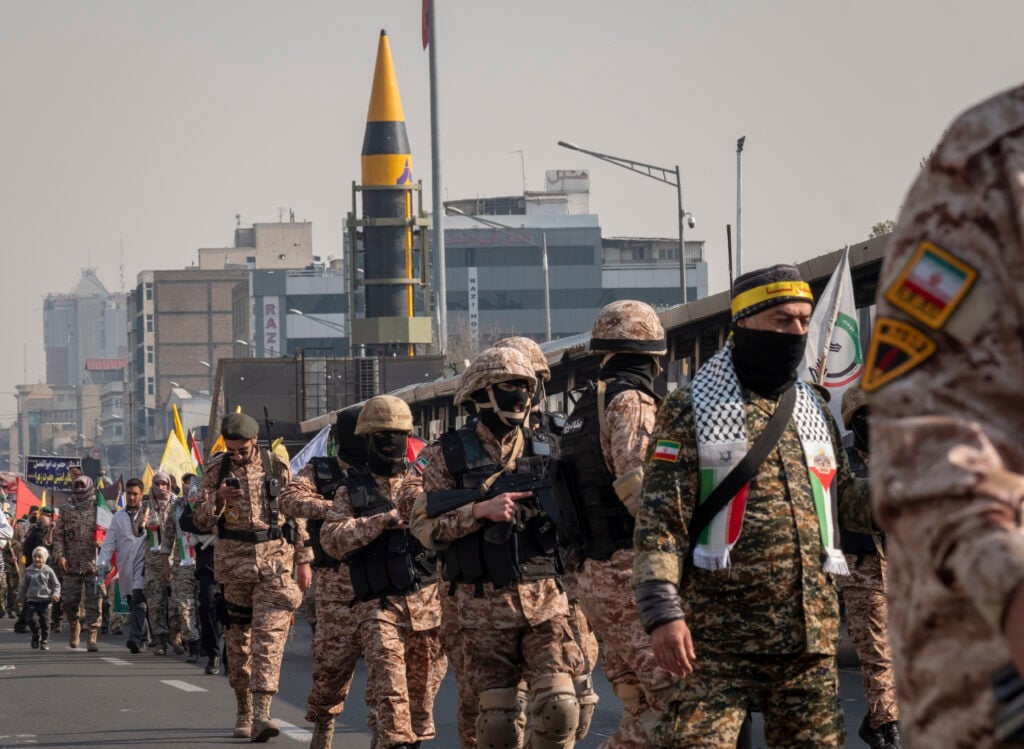 6+
Within the sequence of suspected extraterritorial plots, Trump also addressed the attempted hijacking aboard the flydubai flight to Tel Aviv. Asked by a Fox News correspondent if he believed Iran orchestrated the incident, Trump responded: “I think so. I personally think so.” Official public releases have not formally disclosed declassified evidence attributing direct operational responsibility to Tehran.
Iran, for its part, signaled no retreat. Chief of Staff of the Iranian Armed Forces, Amir Hatami, warned that armed units remain fully mobilized to retaliate against any further U.S. military aggression. “Having failed on the conventional military battlefield, the enemy has resorted to alternative methods, attempting through sanctions and economic coercion to pressure our populace while driving internal instability and unrest,” Hatami said, according to the Fars News Agency.
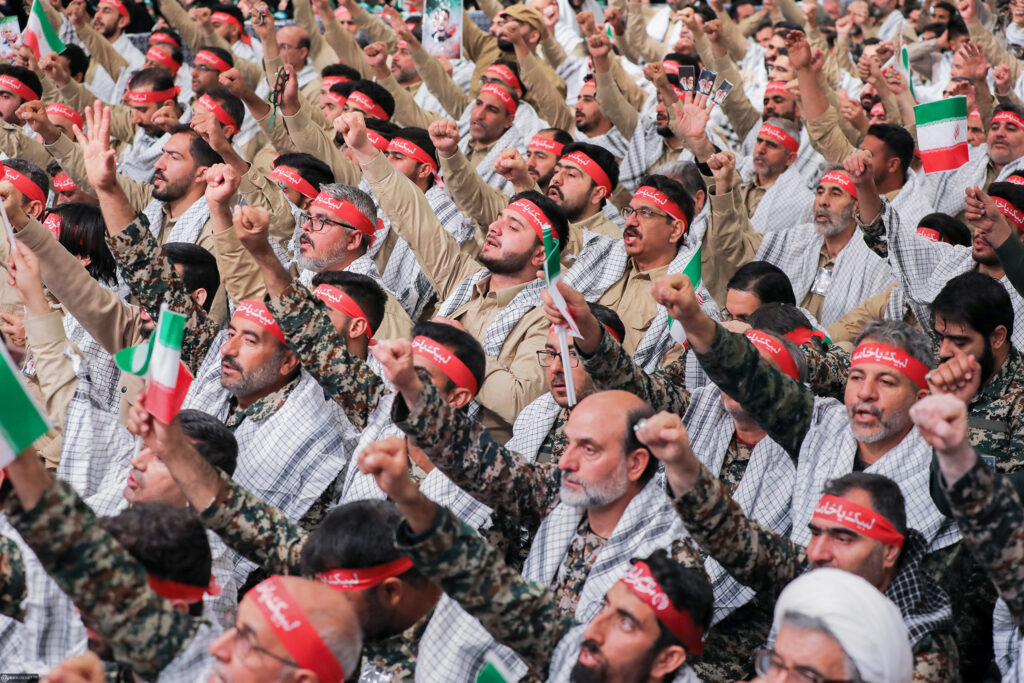 6+
Hatami warned that Tehran would deliver a “crushing and decisive response” should Washington commit another miscalculation. Iranian President Masoud Pezeshkian likewise adopted an unyielding posture, stating that negotiations with the United States are “meaningless” when dealing with an adversary that “imposes terror, levies sanctions, exerts pressure, and issues threats daily.”