




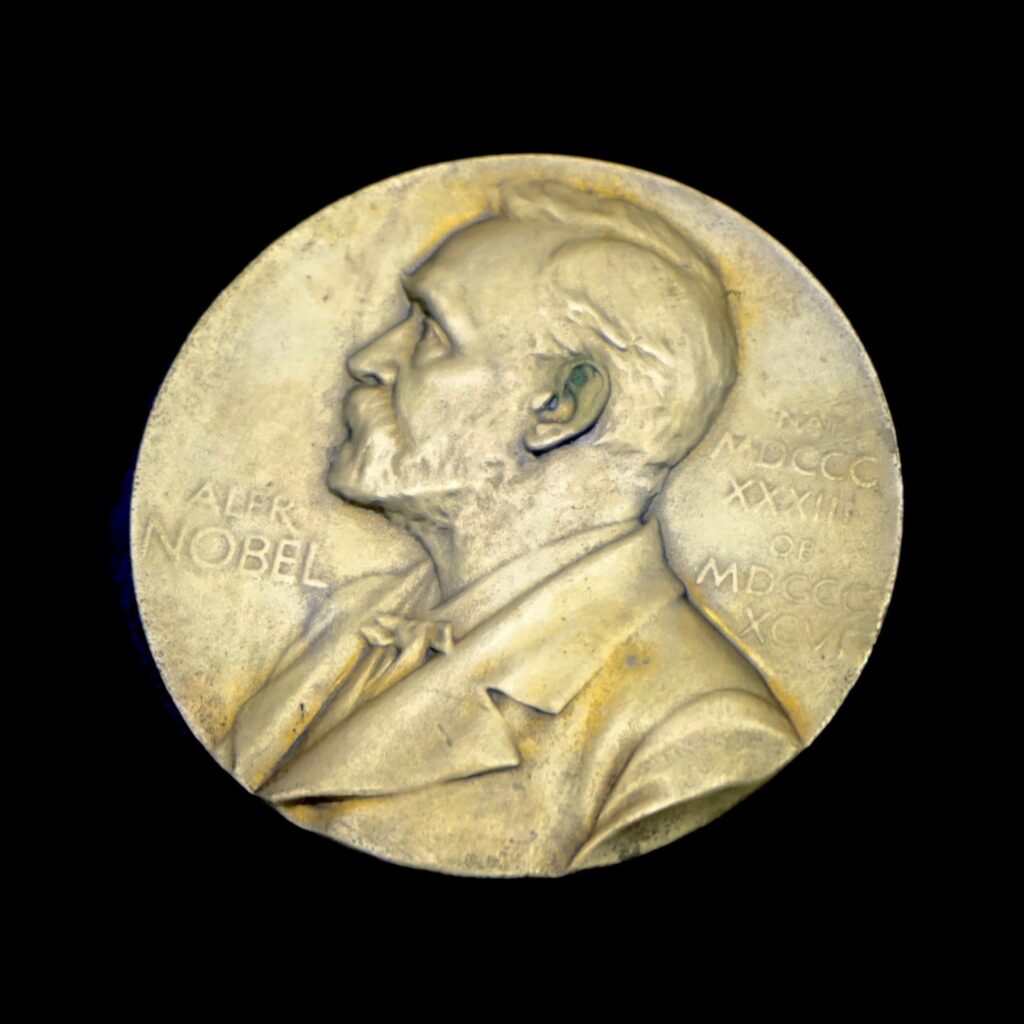
The 2026 Nobel Prize in Physiology or Medicine was awarded on Monday to three researchers—Karl Deisseroth, Peter Hegemann, and Georg Nagel—for developing optogenetics. This revolutionary technology transformed neuroscience by enabling scientists to control neuronal activity with light. The Nobel Assembly noted that their pioneering investigations laid the foundations for a transformative era in brain research, carrying profound implications for the study of memory, human emotion, behavior, and complex neurological disorders.
The award also highlights a prominent Israeli angle. Both Prof. Karl Deisseroth and Prof. Peter Hegemann received the Technion-Israel Institute of Technology’s prestigious Harvey Prize in 2016. Recognized as one of the world’s leading predictors of the Nobel Prize, the Harvey Prize honors breakthrough achievements in science, technology, and human health, and roughly 20% of its recipients later received the Nobel Prize.

 1+
1+The journey toward this landmark scientific discovery began with the work of Hegemann and Nagel, who identified a unique protein named channelrhodopsin—a light-gated ion channel found in single-celled green algae. Their discovery demonstrated that biological cells could be engineered to respond with extraordinary precision to light exposure, opening the possibility of introducing this light-sensitive mechanism into neuronal cells.
Karl Deisseroth later advanced the paradigm by integrating the algal protein into mammalian neurons, making them responsive to light. Using ultra-short pulses of light, researchers gained the unprecedented ability to activate or silence designated clusters of neurons with millisecond precision, while sparing surrounding cells. This breakthrough equipped scientists with an unrivaled experimental tool to decode how intricate neural circuits generate thoughts, store memories, modulate moods, and govern behaviors.
 1+
1+Over the past two decades, optogenetics has evolved into an indispensable pillar of modern brain research. Laboratories worldwide employ the technique to investigate neurodegenerative and psychiatric conditions, including Parkinson’s disease, epilepsy, depression, anxiety, chemical addictions, and Alzheimer’s, while mapping how the brain processes decisions and encodes memories. While primarily used in basic neuroscience research, the technology has paved the way for innovative clinical therapies centered on targeted modulation of neural activity.
In its official announcement, the Nobel Committee emphasized that the laureates’ work fundamentally transformed the ability to study the living brain, granting researchers real-time observation of neural circuitry to understand the biological foundations of human action. The committee underscored that optogenetics represents one of the most consequential milestones in neuroscience over recent decades, destined to shape biomedical research for generations to come.