


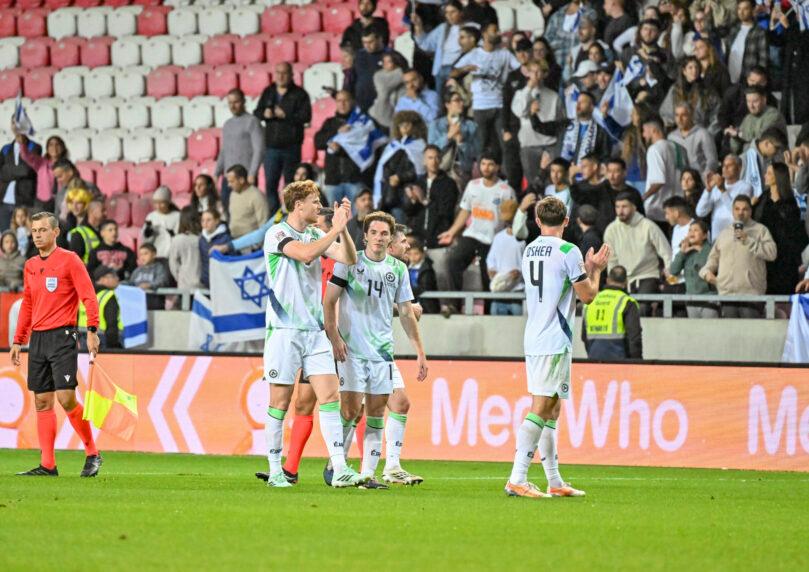
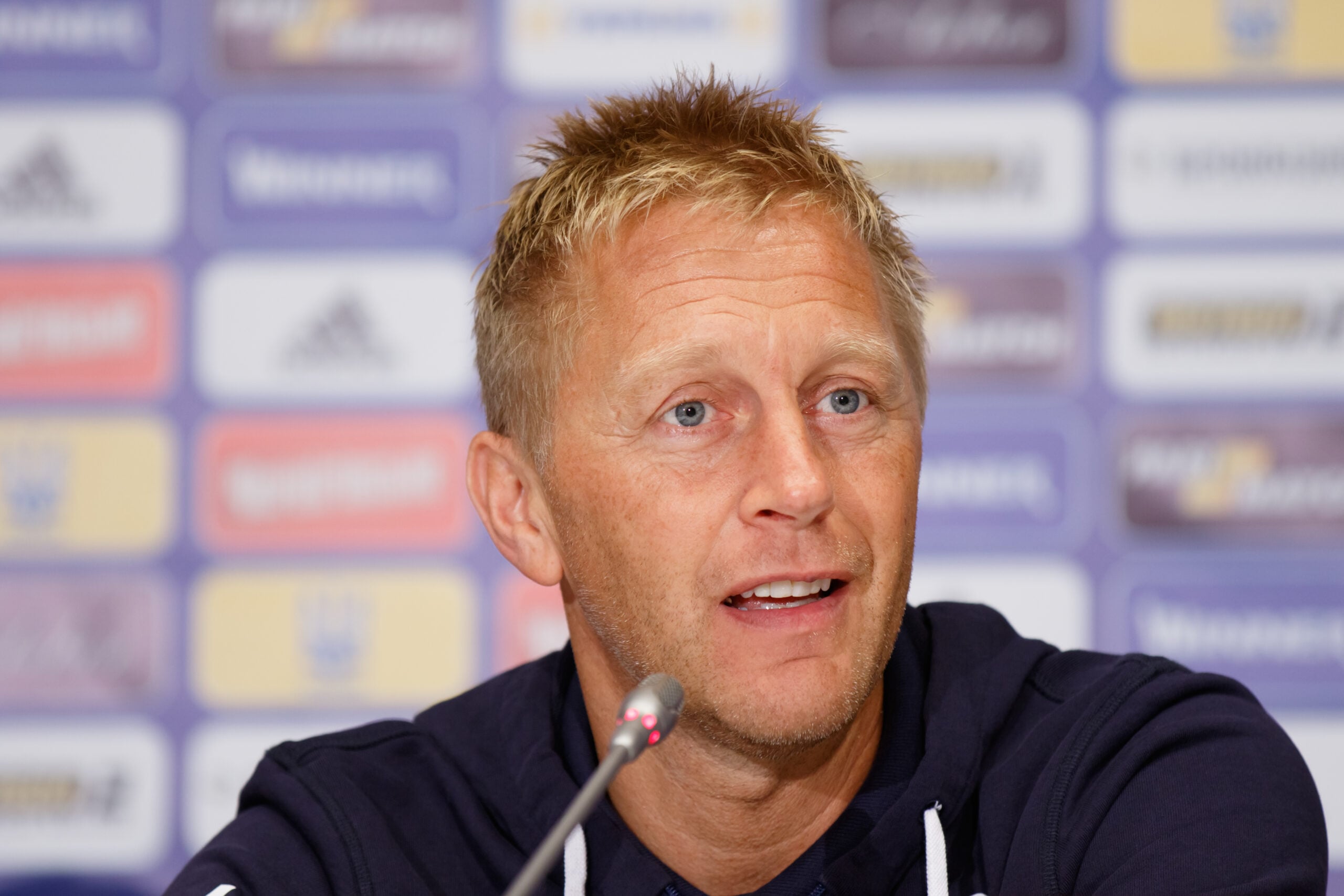
Political tensions surrounding the Nations League meetings between Israel and Ireland have reached a new peak, with the Irish Football Association and coaching staff now calling on UEFA to prevent the national teams from facing each other again. Following a disappointing 1-1 draw in Serbia, Ireland coach Heimir Hallgrímsson said he believes the two countries should not play one another in the future and called on European football’s governing body to intervene.

 1+
1+Speaking to Irish media, Hallgrímsson emphasized the charged atmosphere that accompanied the two recent meetings. The coach pointed to widespread public support in Ireland for the ‘Palestinian’ cause as one of the main factors creating unavoidable friction. According to Hallgrímsson, the emotional and political burden placed on the players and staff over the past two weeks was unprecedented, and there was no reason to put a national team through such circumstances again.
The Irish demand comes following a series of unusual incidents and heated confrontations off the pitch. In both Israel fixtures, Irish players bowed their heads during “Hatikvah,” refused the customary pre-match handshakes and pennant exchange, and wore black armbands for Gaza; goalkeeper Gavin Bazunu refused to participate in the fixtures altogether. There were also mutual accusations surrounding physical and verbal confrontations in the players’ tunnel and during press conferences.
 1+
1+In Ireland, officials have claimed that the matches became a stage for provocations. Hallgrímsson praised his players for, in his view, refusing to be drawn into those provocations, but made clear that a line had been crossed. The ball now moves to UEFA, which will have to determine whether meetings between Israel and Ireland should be added to the list of prohibited fixtures for political reasons, as has previously been done with countries involved in direct geopolitical conflicts. While Ireland hopes to receive a permanent exemption from facing the blue-and-white, Israeli critics have strongly condemned the attempt to mix politics with sport and are now awaiting the European football governing body’s decision.