


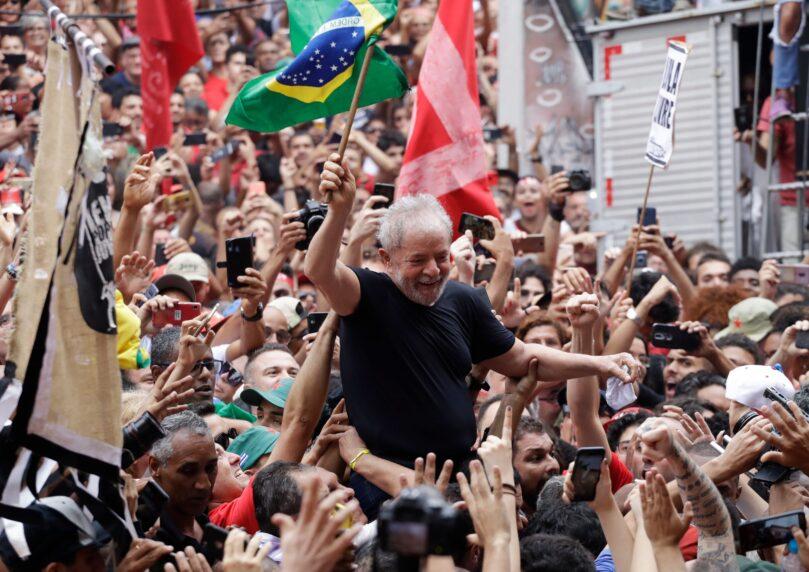

Citizens across Brazil headed to the polls on Sunday for the first round of the presidential election, capping a fiercely polarized campaign dominated by corruption scandals, economic anxieties, and allegations of American interference in the electoral process.
Video: Brazilian media
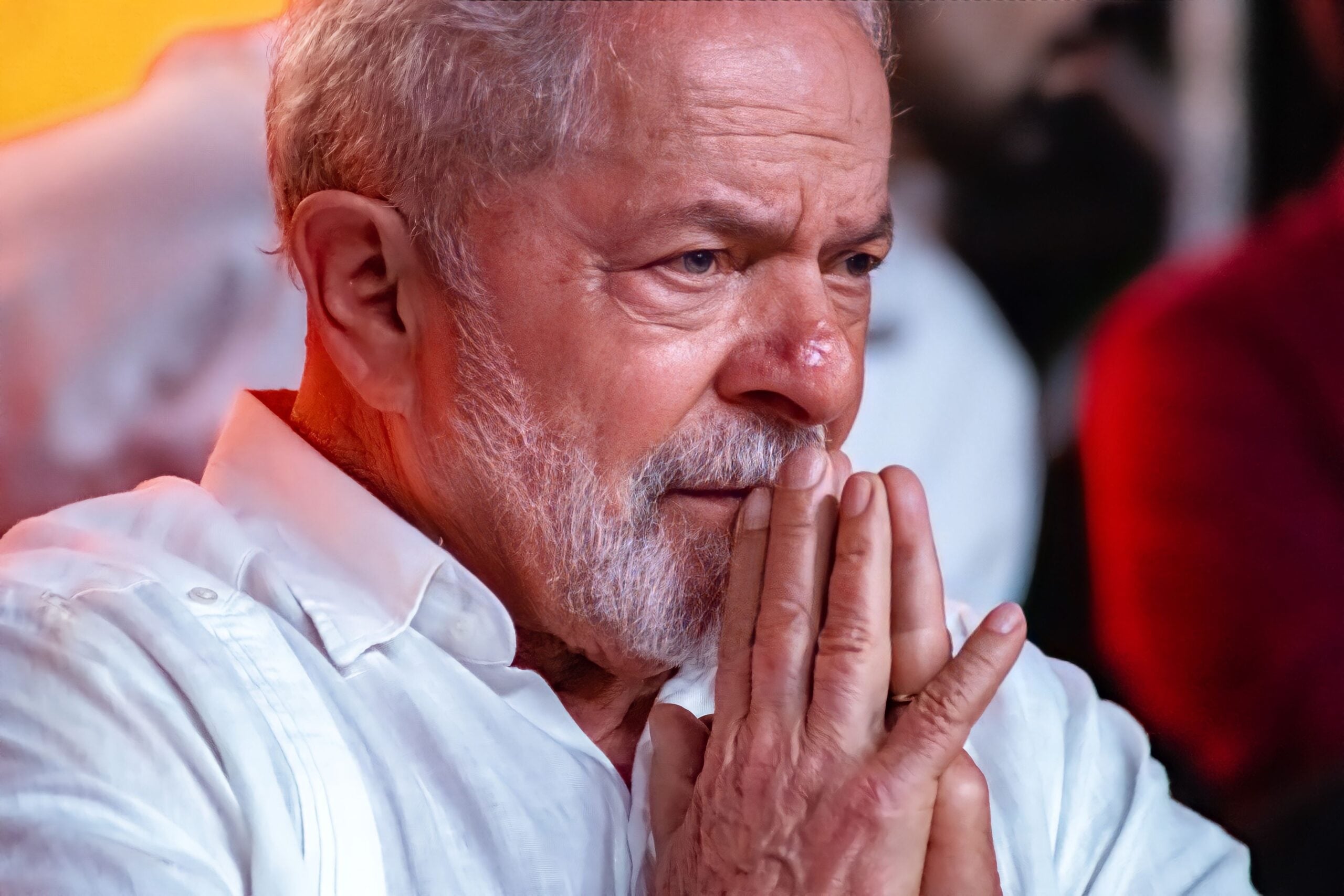
At the center of the race stand incumbent President Luiz Inácio Lula da Silva, 80, seeking an unprecedented fourth non-consecutive term, and Senator Flávio Bolsonaro, 45, the eldest son of former President Jair Bolsonaro, who is seeking to return his father’s conservative political movement to power.
According to a Reuters report, opinion polls indicate an exceptionally tight contest, currently projecting a virtual dead heat. If no candidate secures more than 50% of valid ballots, the top two finishers will advance to a decisive runoff scheduled for October 25. Polling data shows Lula and Flávio Bolsonaro running neck and neck in head-to-head runoff projections.

 2+
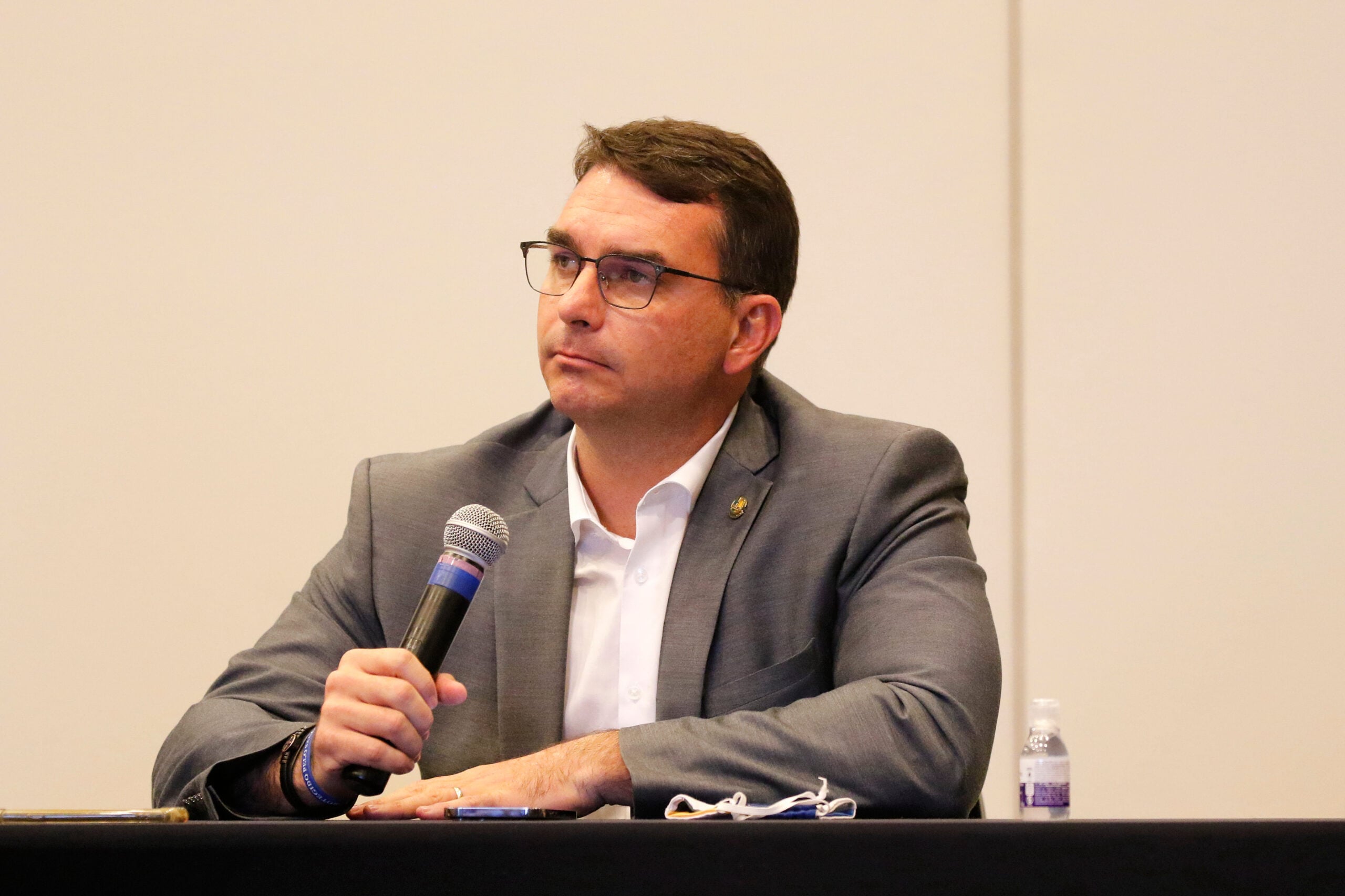
2+Flávio Bolsonaro has already pledged to pursue a presidential pardon for his father, who is serving a sentence of over 27 years in prison following his conviction for plotting a coup in the aftermath of his 2022 election defeat. Lula, by contrast, has framed the election as a fundamental choice between “democracy and reality denial,” repeatedly sounding alarms over alleged foreign interference.
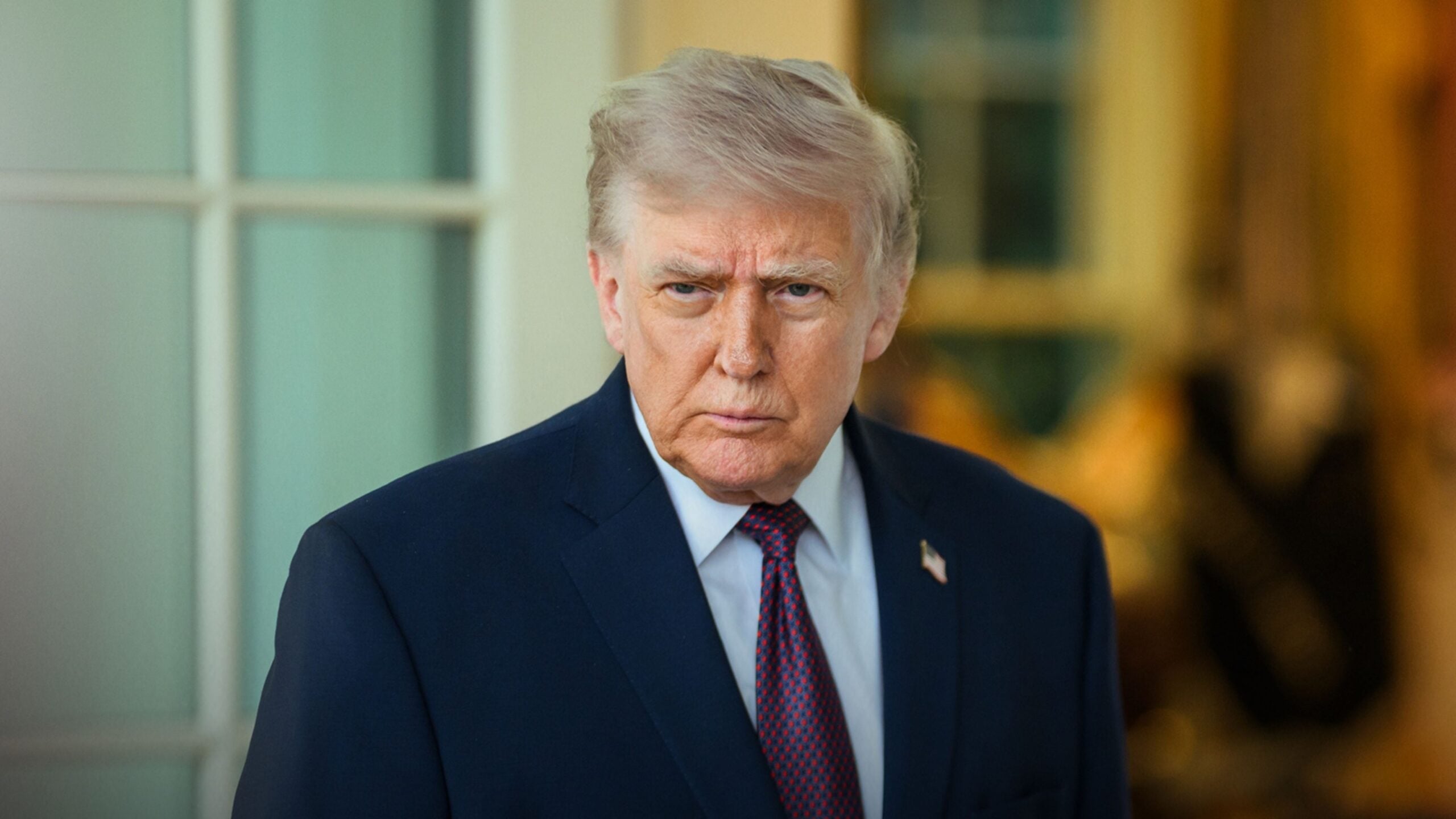
The shadow of U.S. President Donald Trump has loomed large over the campaign. Trump has previously condemned the judicial proceedings against Jair Bolsonaro, labeling them a “witch hunt,” and imposed heavy punitive tariffs on Brazilian imports, directly linking them to the legal actions against the former president.
 2+
2+Lula contended that American measures were designed to influence the race’s outcome, accusing the Bolsonaro family of excessive subservience to Washington. Conversely, Flávio Bolsonaro has vowed to forge much closer strategic ties with both the United States and Israel. While Trump stopped short of issuing an official endorsement, he hosted the younger Bolsonaro at the White House and praised him publicly.
Alongside political friction, the economy remains a dominant issue for voters. Despite recent declines in unemployment and inequality, millions of Brazilians continue to grapple with high living costs, surging household debt, and persistent concerns over street violence. Meanwhile, public debt has climbed above 82% of GDP, prompting authorities to revise national growth forecasts downward for the coming years.
 2+
2+Corruption allegations have cast a further pall over the contest. The “Banco Master” scandal, centered on allegations of multi-billion-dollar fraudulent schemes, has implicated numerous prominent figures across political and judicial establishments. Flávio Bolsonaro has faced scrutiny over alleged money laundering linked to the affair, though he has consistently denied any criminal wrongdoing.
Alongside the presidential vote, Brazilians are electing all 513 members of the Chamber of Deputies and two-thirds of the Federal Senate.
The final results will shape not only the identity of the next head of state, but also the broader balance of legislative power in Latin America’s largest nation for years to come.