


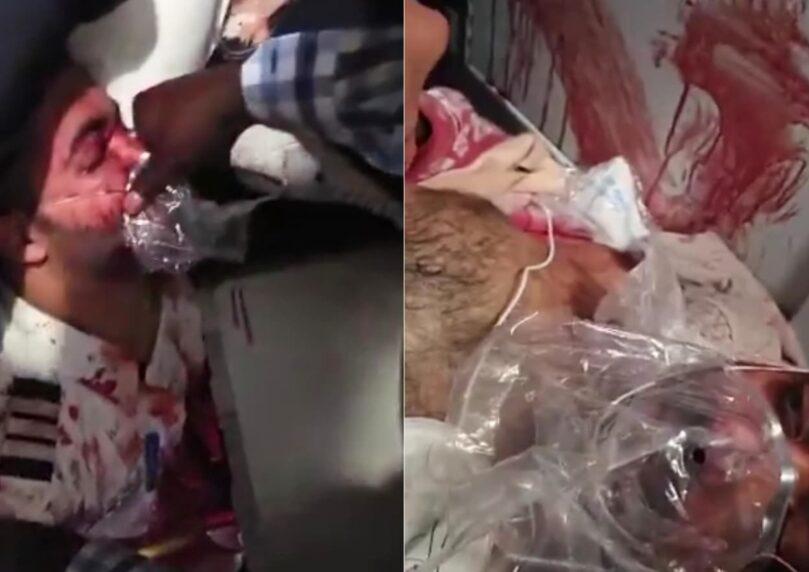

Fascinating and chilling new operational details have emerged surrounding the dramatic mid-air terror attempt aboard flydubai Flight FZ1073 bound for Tel Aviv. Prominent Italian daily Corriere della Sera published a comprehensive reconstruction on Sunday based on survivor testimonies, ADS-B radar tracks, intelligence assessments, and passenger cabin video recording.
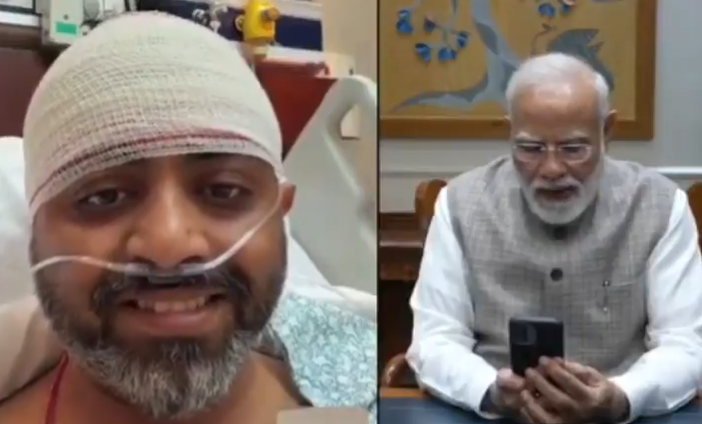
According to the reconstruction, two Boeing 737 captains tasked with analyzing interior cabin video identified a critical technical anomaly: cabin emergency lighting illuminated while the airliner was still airborne. The lighting shift typically signals an automated switchover to battery power caused by generator failure—strongly suggesting that both CFM LEAP engines may have been intentionally shut down during the struggle. Aviation authorities emphasize this remains an active technical investigative track rather than a conclusive determination.
The ill-fated itinerary began around 05:00 at Dubai International Airport’s Terminal 3, where 174 passengers—including 27 children—boarded the capacity flight aboard a Boeing 737 MAX. Captain Sumeet Machhar, 38, a highly experienced Boeing aviator, led the crew alongside 29-year-old Omani First Officer Hamam al-Hamami. Flight planning and pre-departure briefings proceeded without incident, and at 07:05 the airliner departed runway 30R.
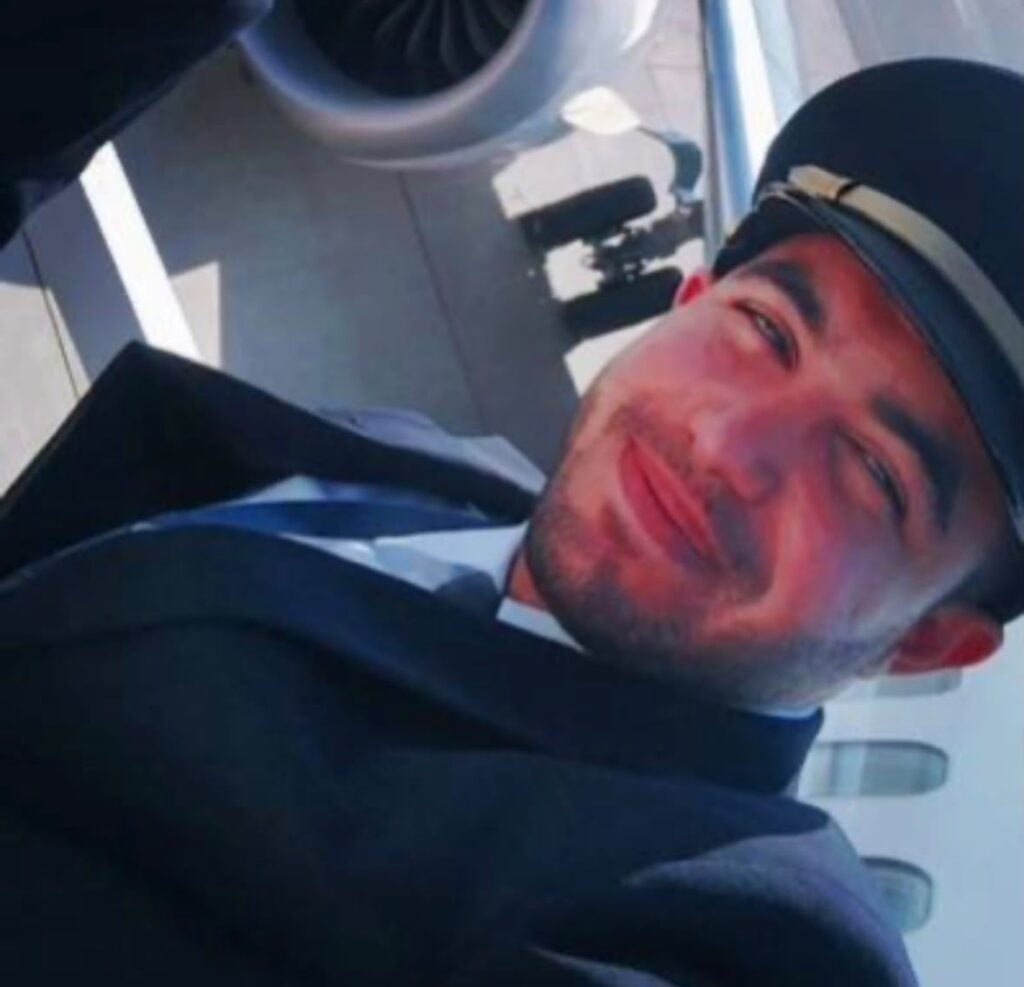
The flight progressed normally through its initial cruise phase, crossing 32,000 feet by 07:27 and reaching its assigned cruising altitude of 34,000 feet by 08:09 under autopilot command. Coincidentally, two off-duty flydubai pilots returning as deadhead crew were seated in the passenger cabin—a presence that ultimately altered the crisis’s course.
Around 09:15, at cruise altitude, the first officer asked permission to step away from his seat to pray—a routine operational courtesy that drew no suspicion from the captain. Approximately four to five minutes later, standing behind the captain’s seat, al-Hamami unholstered the cockpit crash axe—mandated for onboard emergency fire and extrication response—and struck Machhar viciously in the back of the head. Stunned and believing a structural hull failure had occurred, the captain realized he was under physical attack and engaged in hand-to-hand combat despite deep lacerations and severe blood loss.
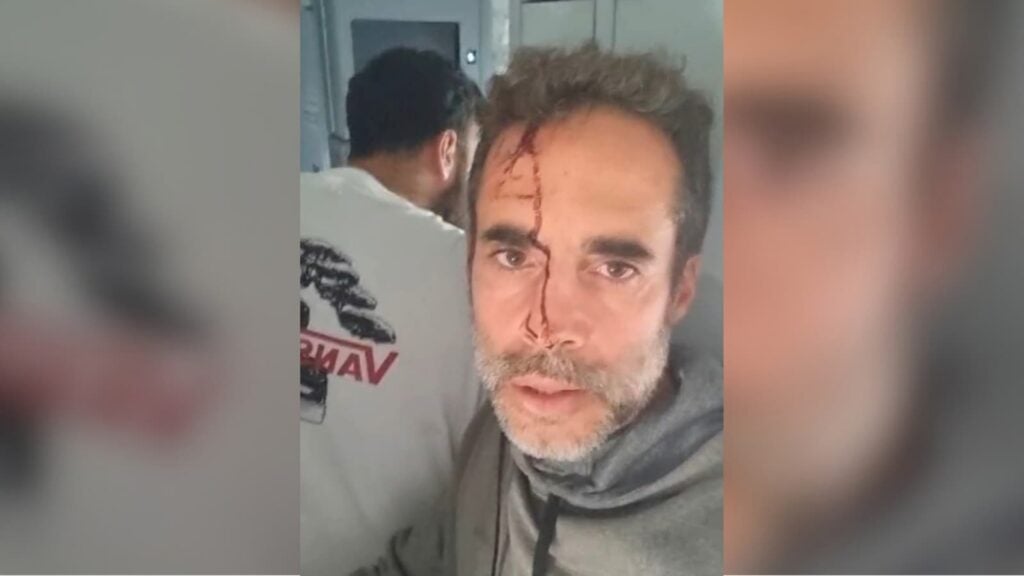
Throughout the struggle, the captain fought toward the emergency cockpit door release switch to allow cabin crew entry. The reinforced ballistic cockpit door, designed to prevent illicit breach from the passenger cabin, became an obstacle as al-Hamami fought to block its release latch. Meanwhile, cabin attendants outside repeatedly tried manual entry code sequences.
A chance occurrence altered the outcome: around 09:20, five-year-old Nina Manes asked her mother, Tali, to escort her to the lavatory. The mother heard violent thudding sounds inside the cockpit bulkhead and immediately alerted one of the off-duty captains seated nearby. When the off-duty pilot approached the reinforced door, the internal lock disengaged, exposing the violent struggle within. Additional passengers rushed forward, administering trauma aid to the bleeding captain while grappling to pin down the first officer.
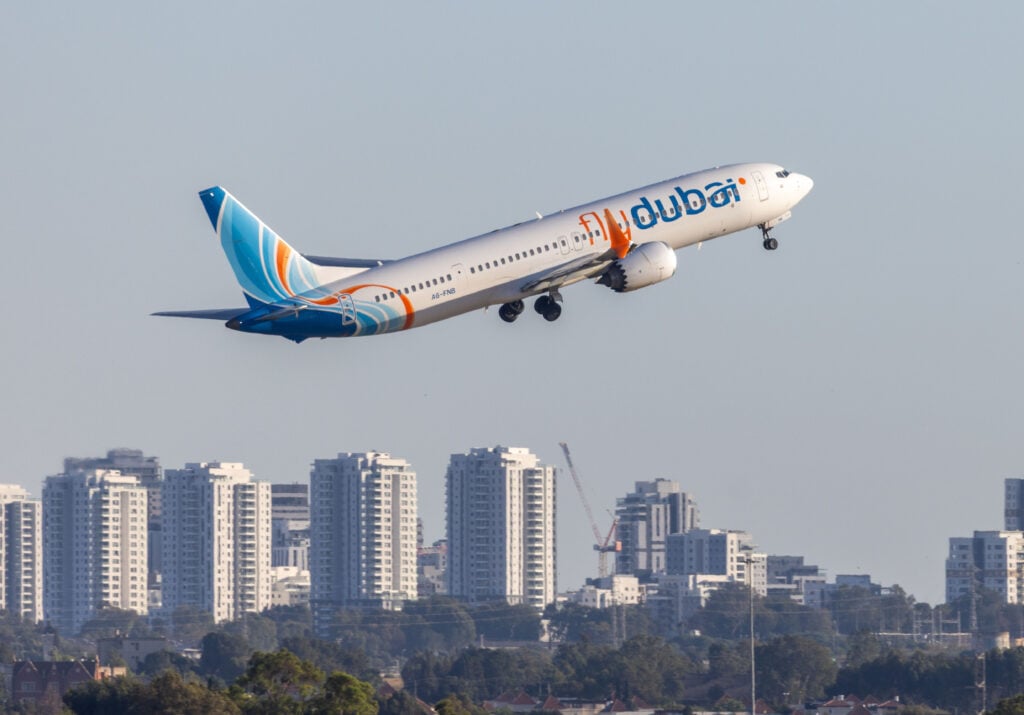
At approximately 09:21, al-Hamami disengaged the autopilot and forcefully pushed the control column forward into an extreme pitch-down attitude. Within just over 30 seconds, the airliner plunged roughly 16,000 feet (4.9 kilometers) at velocities exceeding 970 km/h (524 knots), exceeding structural airframe limits and causing physical stress damage to the vertical stabilizer and rudder assembly.
Consulting 737 captains who reviewed cabin footage noted the passenger emergency ceiling strips illuminating during the dive. This indicates the aircraft lost generator power, supporting the hypothesis that al-Hamami deliberately reached for the center pedestal and toggled both engine start levers from “Run” to “Cut” ff.”
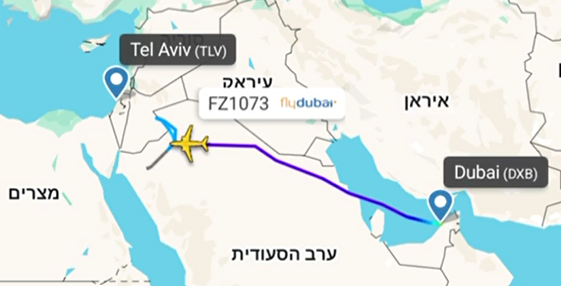
Simultaneously, Israeli passenger Yaniv Hayoun—drawing on rudimentary aerodynamic knowledge from watching the documentary series Mayday (Air Crash Investigation)—leaped onto the control column and pulled back with full force to arrest the vertical descent. Around 09:25, the airframe suffered a secondary altitude loss, consistent with a total lack of engine thrust. Shortly thereafter, the two off-duty captains gained full command of the flight deck, stabilized flight surfaces, initiated emergency in-flight restart procedures for the twin powerplants, and regained control.
At 09:31, one of the recovery pilots set transponder code 7700 indicating a general in-flight emergency. By 09:38, as al-Hamami was bound and immobilized on the cockpit floor, the crew escalated the squawk to 7500—the international aviation code denoting unlawful interference and aircraft hijacking. As they approached Jordanian airspace, Saudi air traffic control instructed the crew to divert immediately to Tabuk Regional Airport for an emergency landing. At 10:57, the Boeing touched down safely. Captain Machhar was evacuated to an intensive care unit with severe traumatic head wounds, while the first officer was transferred into Saudi military custody.
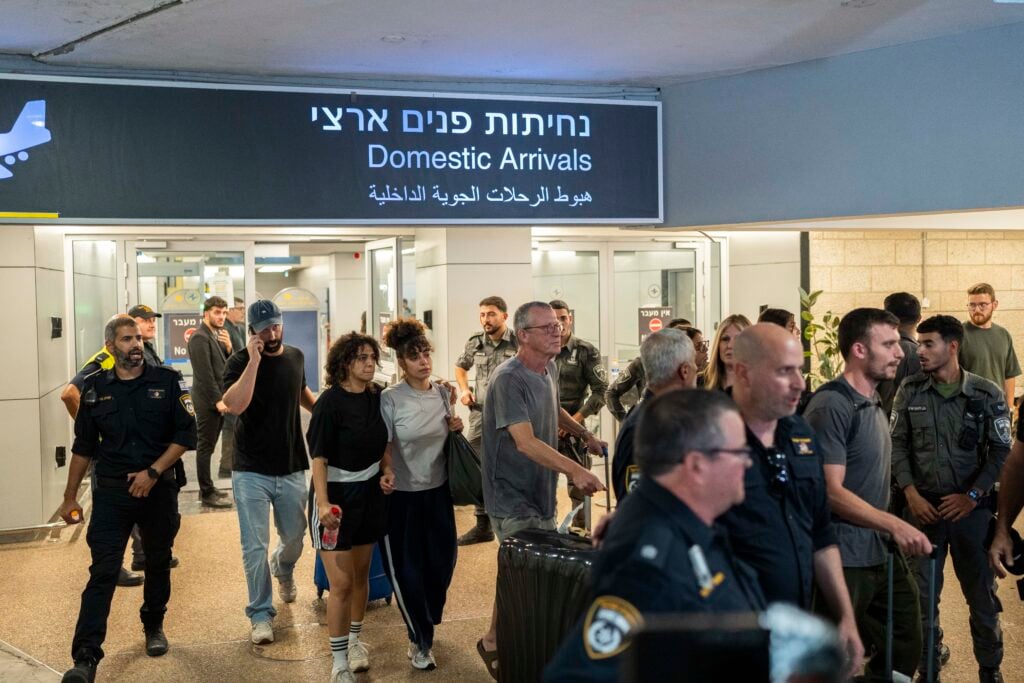
According to Corriere della Sera, Israeli intelligence assessments conclude al-Hamami plotted to eliminate the flight crew and plunge the airliner into a suicide crash inside Israeli territory. Background findings reveal al-Hamami had joined flydubai only eight months prior, having departed Oman Air under scrutiny over radicalized extremist ideology.
Intelligence agencies also identified linked social media accounts containing suspicious surveillance footage of Israeli commercial aircraft filmed in Dubai as early as October 2023.

The ongoing multilateral probe is focusing on several systemic vulnerabilities: pre-employment vetting protocols for flight crew, security risks around crash axes stored inside secure flight decks, ballistic door override logic during internal hijackings, and forensic flight data confirming whether the aircraft engines were manually shut down in flight.