


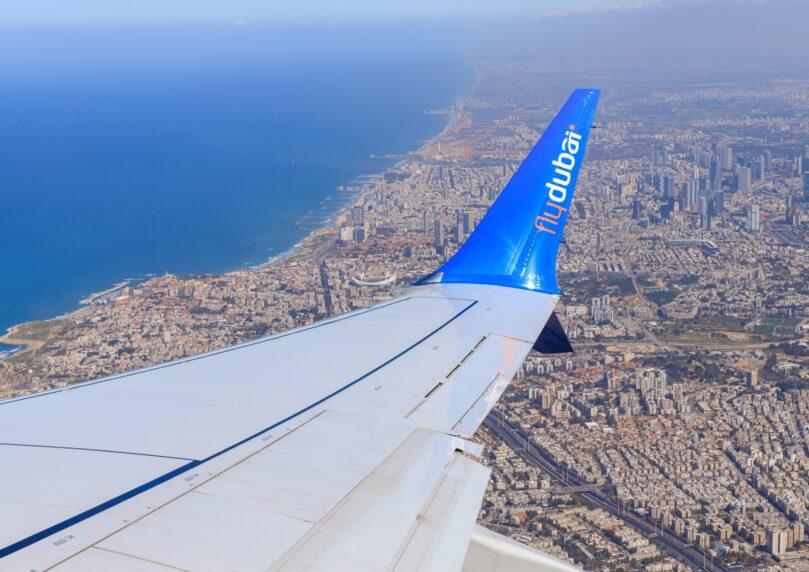

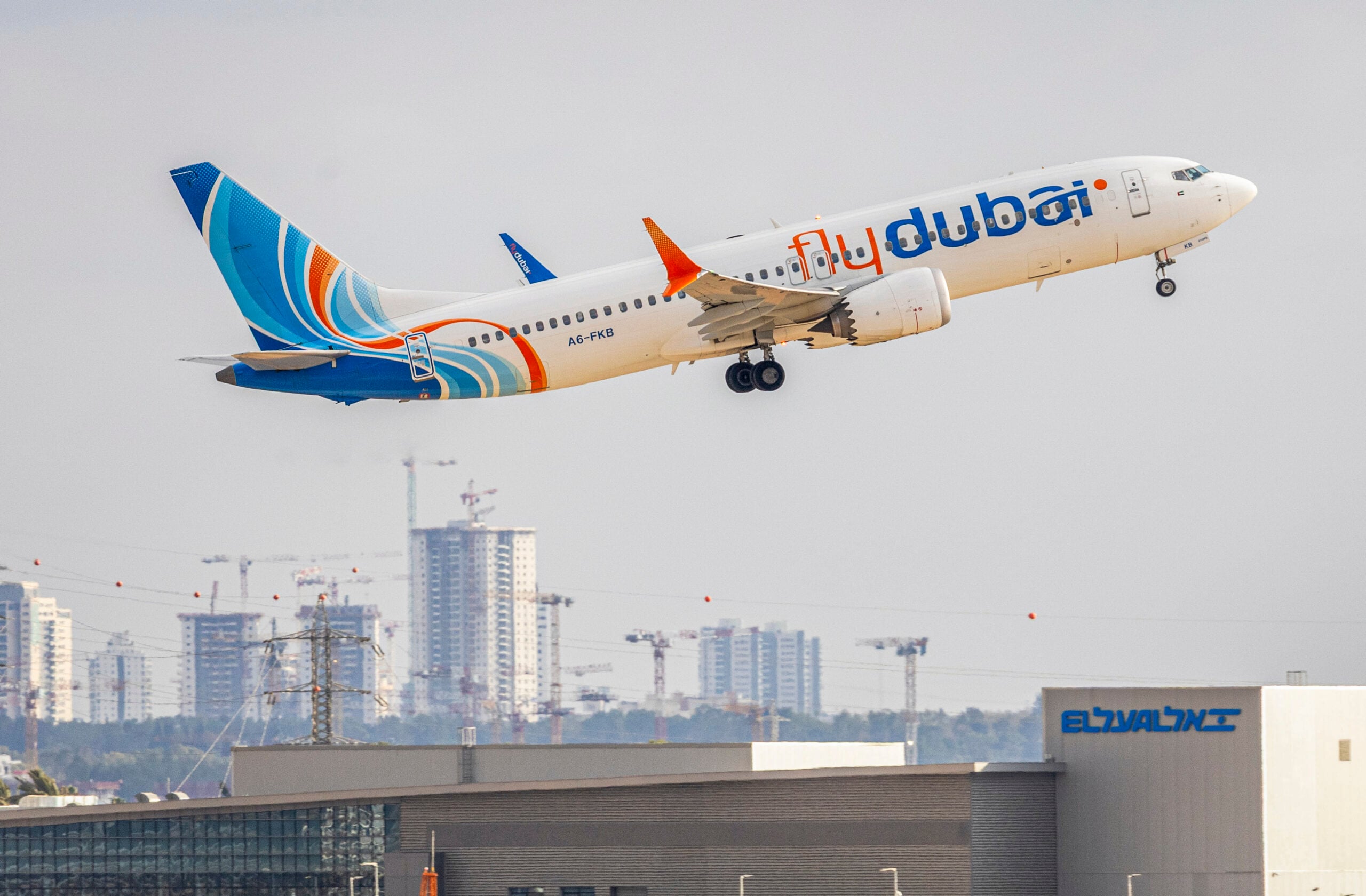
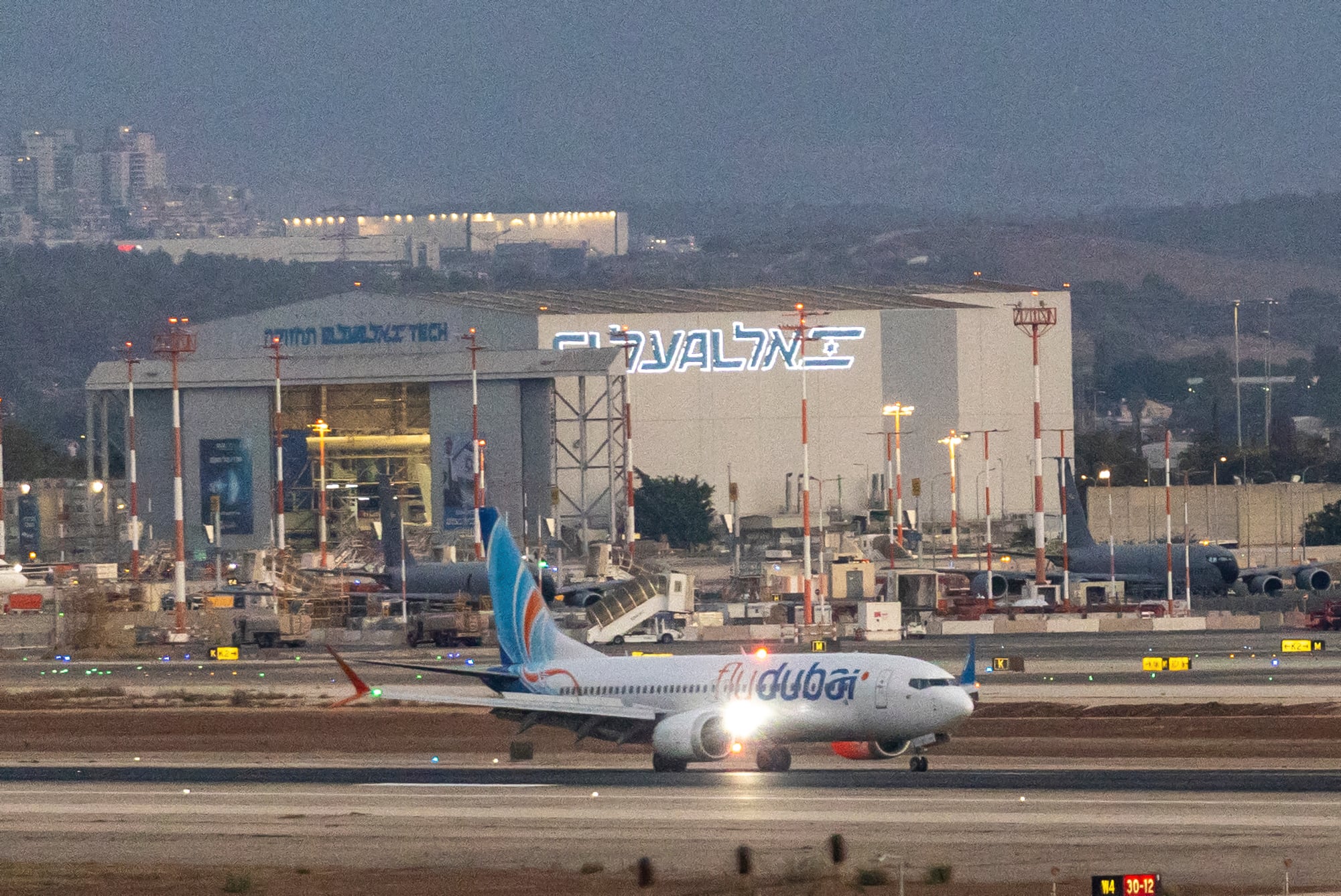
The harrowing mid-air terror attempt aboard flydubai Flight FZ1073 did not conclude with the Boeing 737’s emergency landing in Saudi Arabia and the repatriation of its passengers to Israel. A complex legal front is now opening, as passengers evaluate several distinct compensation tracks—ranging from statutory compensation for flight delays and disruptions to bodily and psychological injury claims against the airline, as well as potential state recognition as victims of hostile acts.

 3+
The primary legal track is expected to proceed directly against flydubai under the Montreal Convention, the international treaty governing commercial airline liability for damages passengers sustain during international carriage. Aviation law experts assess that in the extraordinary context of an airborne attack—where passengers faced imminent mortal peril inside the cabin—clear causes of action exist for bodily and psychological injuries, even for individuals who sustained no direct physical trauma.
Legal experts have pointed to potential claim evaluations reaching approximately $250,000 per passenger. However, practitioners stress that this figure represents an expert assessment of potential claim ceilings rather than an automatic entitlement. Actual liability and final awards will depend on each traveler’s circumstances, the quantifiable evidence of diagnosed harm, and the ability to establish a direct causal link to the mid-air trauma.
The legal groundwork for such claims has deep roots in Israeli jurisprudence. Following the 1976 Air France hijacking to Entebbe, Israeli courts established that an aircraft hijacking constitutes an “accident” under aviation liability law and that psychological injury falls squarely within actionable damages. This landmark precedent is directly applicable to the legal review of the flydubai crisis, though each claim must be adjudicated individually.
 3+
Parallel to mental trauma claims, an independent track addresses the acute commercial disruption. Under Israel’s Aviation Services Law (Tibi Law), passengers subject to prolonged delays and cancellations are entitled to statutory benefits and financial compensation, estimated at approximately 2,450 NIS per passenger for this route. Formal eligibility remains subject to statutory terms and exceptions.
Beyond direct cash compensation, the law mandates duty-of-care obligations during severe disruptions, including meals, refreshments, telecommunication access, and lodging accommodations. For flydubai passengers, conditions were unusually grueling: following the cockpit struggle, the aircraft made an emergency diversion to Tabuk, leaving passengers grounded for hours in a sovereign state lacking diplomatic ties with Israel, where conventional consular and commercial repatriation solutions could not be immediately deployed.
 3+
Additionally, passengers are reviewing individual private travel insurance policies, which may cover unforeseen out-of-pocket costs, baggage disruption, and urgent medical or psychological treatments, depending on policy terms.
Concurrently, Israeli authorities are weighing whether to designate the passengers as victims of hostile acts formally. If granted state recognition under Israel’s Victims of Hostile Actions Law, eligible travelers suffering severe psychological aftereffects would qualify for ongoing state assistance, therapy coverage, and disability stipends. This administrative review remains in progress.
3+
For the survivors of Flight FZ1073, the traumatic airborne ordeal now transitions into the courts and insurance claims offices. Beyond the emotional scars, proceedings will center on substantiating individual damages and identifying corresponding liability—whether from the airline, private insurers, the state, or an integrated multi-track remedy. Experts caution that major claims under the Montreal Convention carry a strict two-year statute of limitations, requiring passengers seeking redress to act within the statutory window.