


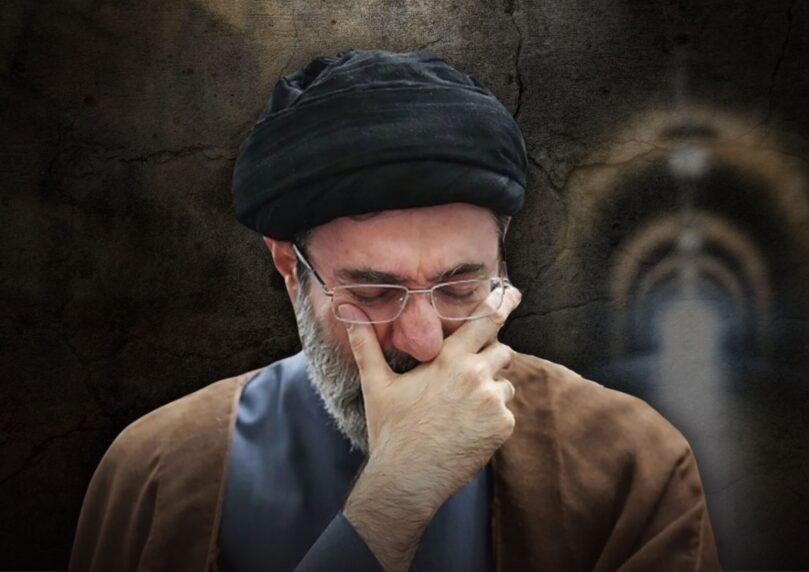

As Washington reports decisive progress in severing Tehran’s revenue streams, the State Department was compelled this week to take the extraordinary step of directly targeting regime operatives on American soil—expelling two Iranian diplomats who attempted to linger in New York in defiance of explicit instructions, Fox News reported on Sunday.

 3+
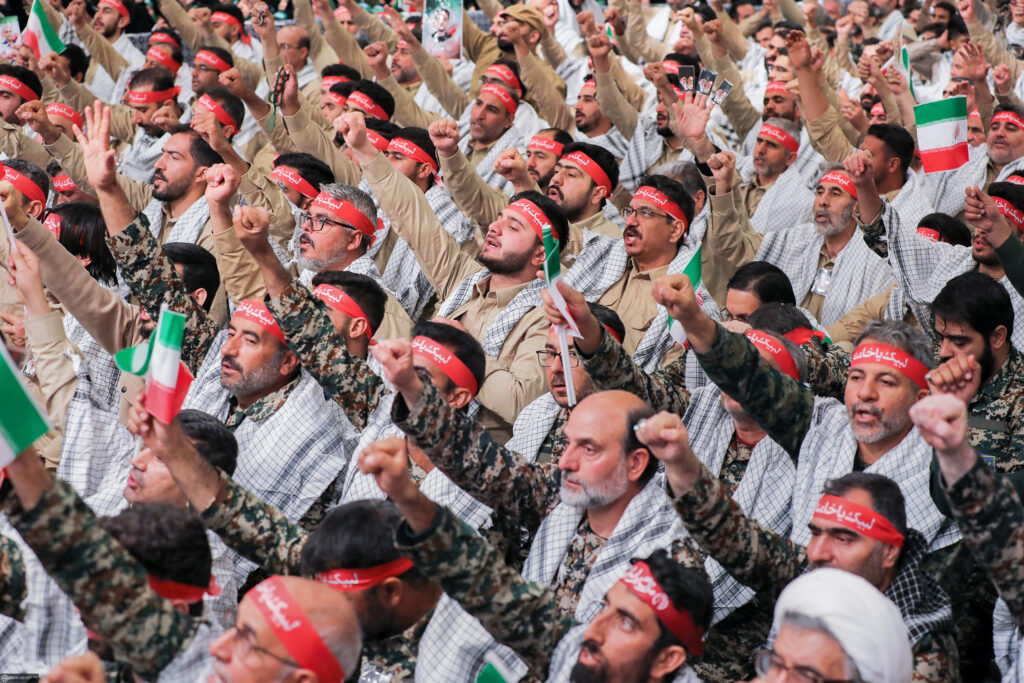
3+The diplomatic standoff erupted after the State Department ordered all members of the Iranian delegation attending the United Nations General Assembly to pack their belongings and leave U.S. territory immediately after proceedings concluded. However, American monitoring revealed that two delegation members deliberately ignored the directive and remained in the city for days.
Following a stern warning from the State Department, the pair were forced to board outbound flights—one on Friday night and the other on Saturday morning. A senior U.S. official underscored the administration’s zero-tolerance policy: “Secretary of State Marco Rubio means business. They were found in New York long after the UNGA had ended, and they have now been expelled from the country.”
 3+
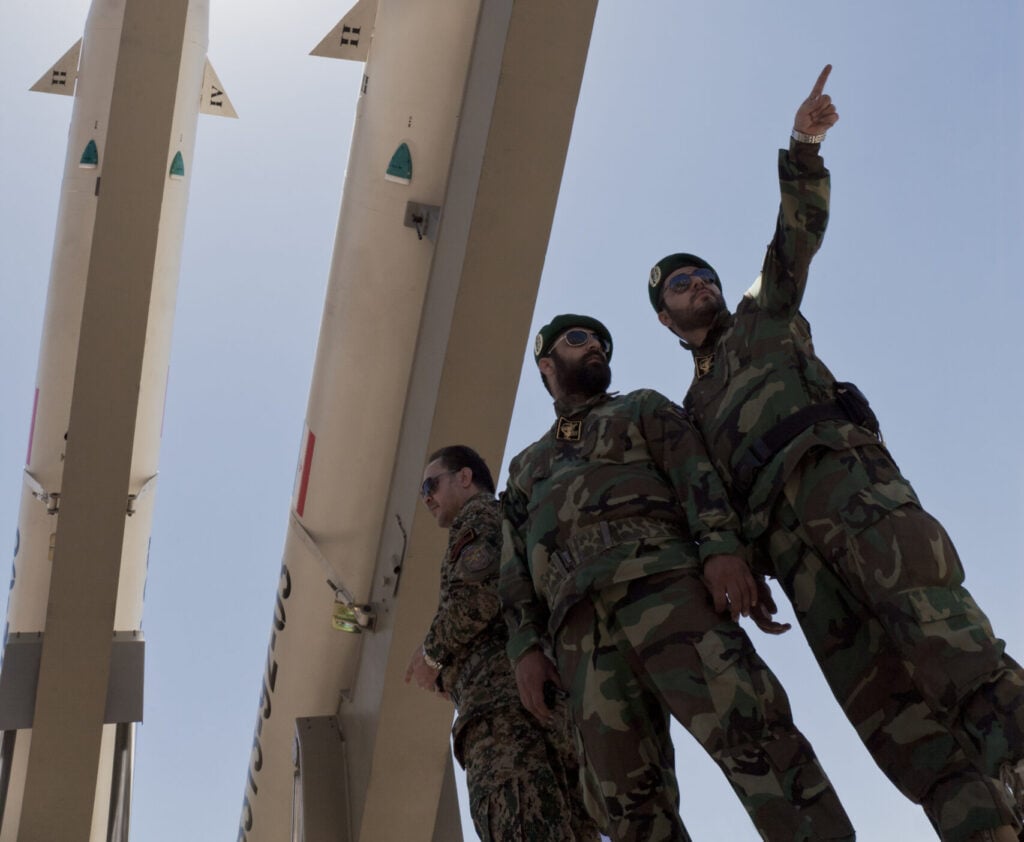
3+Alongside the expulsions, the White House unveiled updated metrics highlighting the sweeping impact of its economic chokehold against the Islamic Republic. White House Communications Director Steven Cheung declared that America is winning and that Iranian oil exports have been effectively silenced through a tight naval blockade maintained by the U.S. Navy, specifically across key waterways including the Strait of Hormuz.
The U.S. Treasury Department elaborated on the ground reality of the aggressive pressure: runaway inflation inside Iran is nearing 90%. At the same time, the national currency has plummeted to an unprecedented low of over 2.5 million rials per U.S. dollar. Under SecU.S.ry of the Treasury for International Affairs Erin Brown emphasized that Tehran’s leadership is feeling the crushing weight of its isolation, pledging that Washington will remain “completely ruthless” in cutting Iran off from the global financial grid throughout the standoff.
 3+
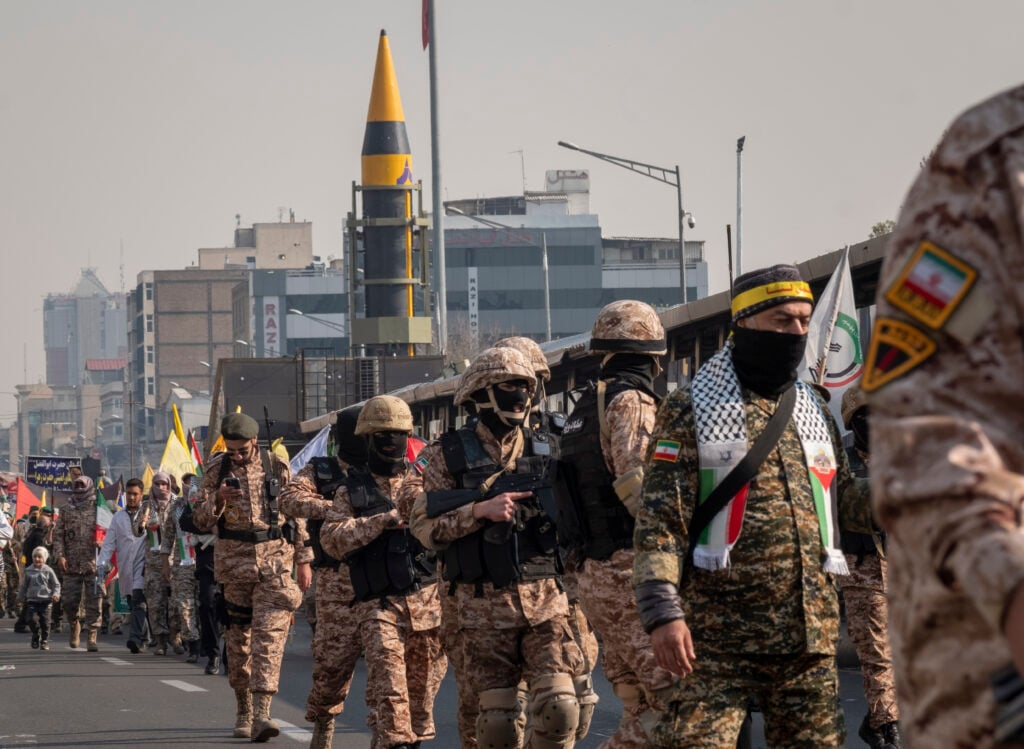
3+On the politico-security front, top-tier leadership in Washington issued further unambiguous warnings to the regime. En route to a rally in Ohio, President Donald Trump told reporters that Iran has been “largely beaten and destroyed” and has effectively walked back its nuclear ambitions. Trump made clear that the regime rests on its own choices: “We have a decision that I’ll be making about Iran. The only question is whether it’s going to be the easy way or the hard way.”
Secretary of State Hegseth delivered a matching warning from Colorado, declaring that “Iran will never, never have a nuclear weapon,” cautioning Tehran against underestimating Trump’s Trump’s. In Tehran, the Secretary of the Supreme National Security Council adopted a defiant tone, attacking the U.S. President on social media—a response the White House dismissed as the desperate posturing of a shattered regime left without functional leadership or a viable chain of command.
 3+
3+Alongside the punishing economic and diplomatic offensive, the United States military is dramatically escalating its physical posture across the Persian Gulf and the broader Middle East. Aircraft carrier strike groups, amphibious ready groups, and additional Marine expeditionary units are deploying to the region to secure total maritime control over strategic choke points—foremost among them the Strait of Hormuz—providing ironclad military enforcement for the administration’s views, whether executed “the easy way or the hard way.