


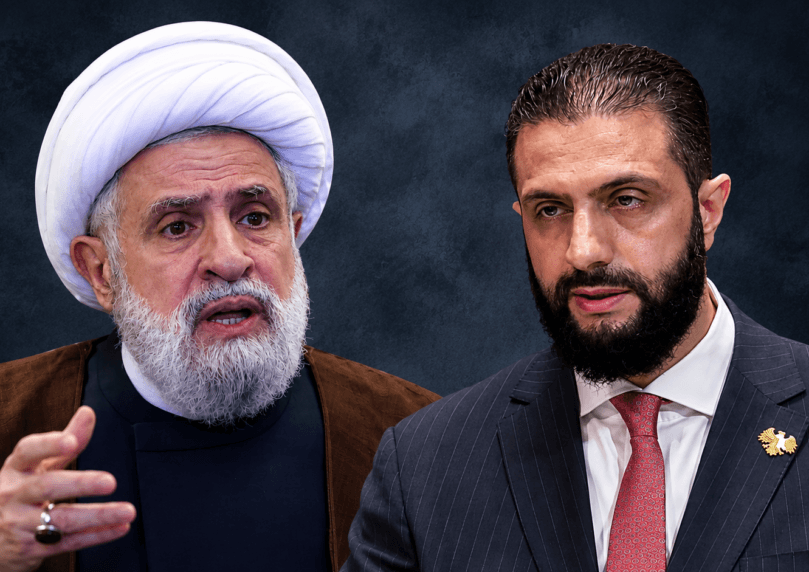

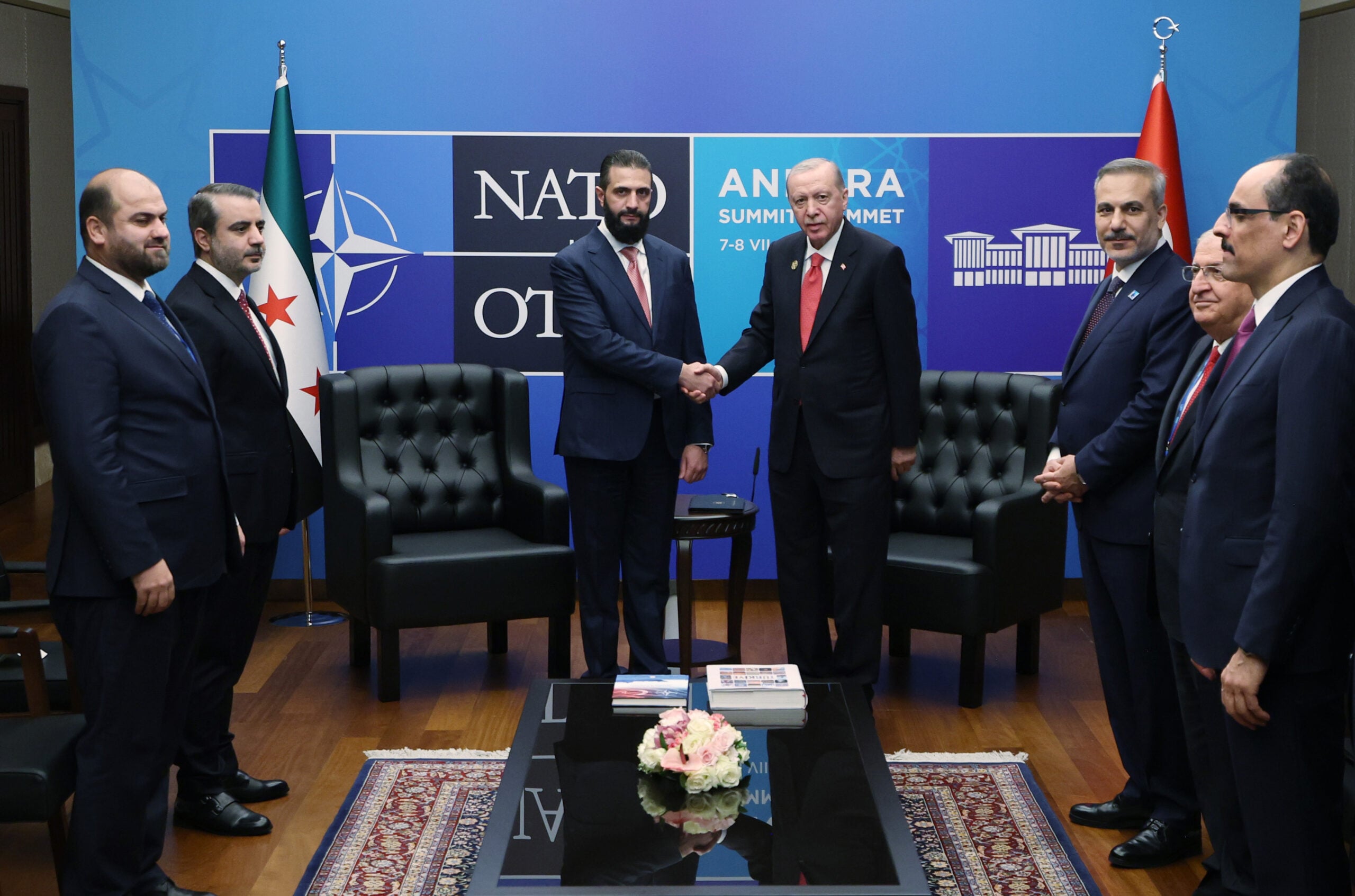
For the first time since the collapse of Bashar al-Assad’s regime and the rise of Ahmed al-Sharaa to power in Damascus, representatives of the new Syrian government met with senior Hezbollah commanders for clandestine negotiations in Turkey, Reuters reported on Thursday, citing six officials familiar with the discussions.
According to the report, the secret conclave was convened last month under the auspices of Turkey’s national intelligence and security services, the primary regional patron of the al-Sharaa administration. The delegations included senior representatives from Syria’s foreign and intelligence ministries alongside high-ranking Hezbollah officials, seeking to defuse escalating friction that erupted following the regime change in Damascus.

 1+
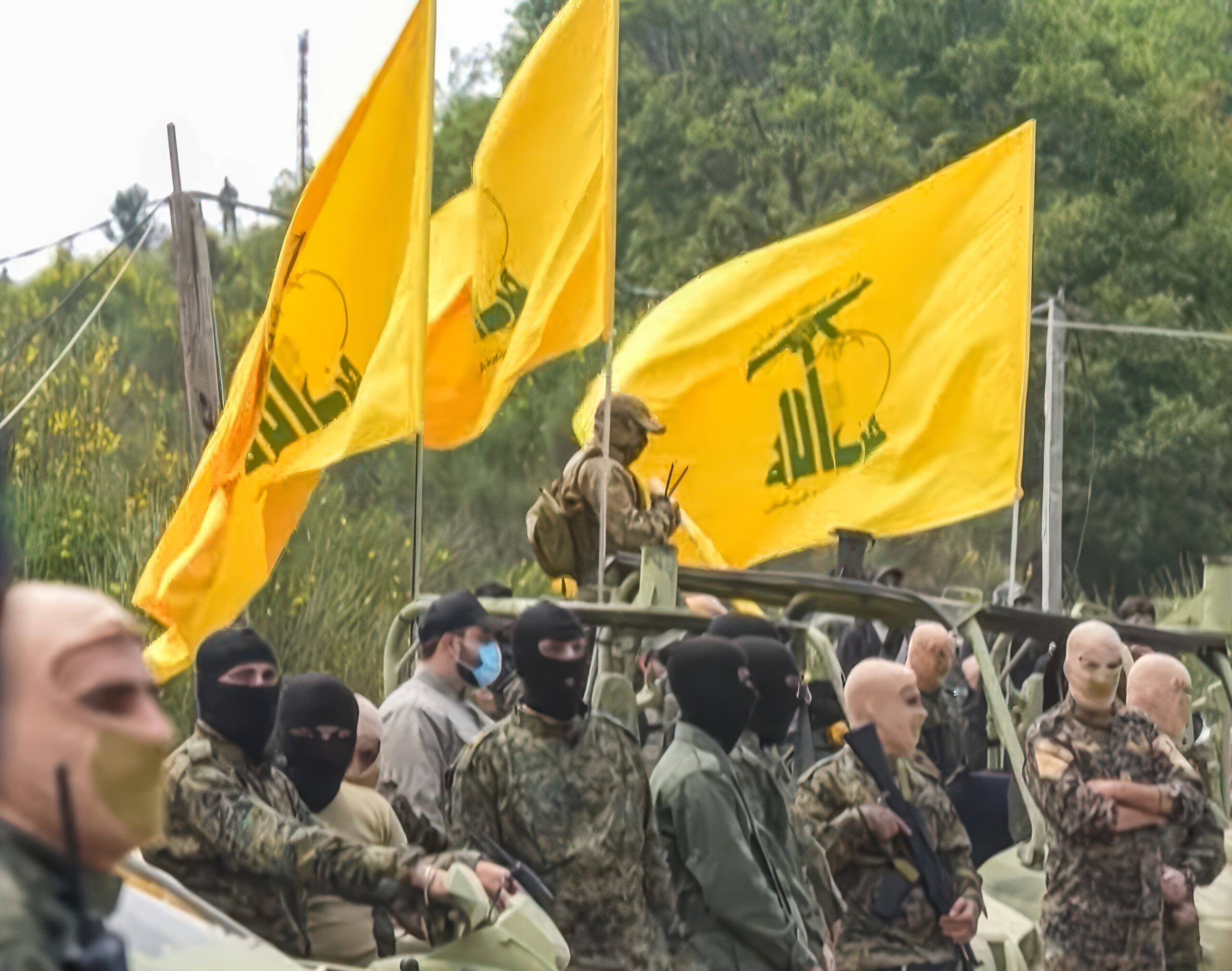
The summit marks an extraordinary operational shift: for more than a decade, al-Sharaa’s forces waged a bloody civil war against Hezbollah, while the Lebanese Shiite terror militia served as a vital ground pillar propping up Assad’s dictatorship. Since al-Sharaa assumed power in December 2024, relations between Damascus and Hezbollah have remained openly adversarial, with the new Syrian government repeatedly accusing the militia of continuing illicit arms smuggling across the Lebanese border.
According to Reuters, the Syrian delegation demanded that Hezbollah immediately cease weapons smuggling into Syrian sovereign territory and dismantle active sleeper cells, particularly throughout southern Syria adjacent to the Israeli border. In response, Hezbollah pledged not to meddle in internal Syrian domestic affairs, though it stopped short of directly acceding to Damascus’s security demands. While both sides reported incremental headway on core border security files, the talks concluded without a signed agreement. Sources close to the negotiations said positions moved closer, but core strategic disputes remain unresolved.
 1+
Noticeably barred from the negotiating table was Iran, Hezbollah’s primary state sponsor. According to sources, while Tehran was kept aware of the meeting’s convening, it was pointedly denied an invitation. A Lebanese security source told Reuters that Tehran expressed deep frustration at being sidelined from direct talks, noting that al-Sharaa continues to rebuff direct diplomatic and security engagement with the Iranian regime. The same source emphasized that Iranian chagrin was a primary obstacle to a formal accord and prevented any official public announcement of the talks.
Reuters said it could not independently verify the exact venue inside Turkey or confirm whether additional meetings had occurred, though sources said the Turkish-mediated channel began roughly two months ago. The diplomatic outreach underscores Turkey’s concerted push to project regional hegemony across post-Assad Syria and consolidate its patron status over the al-Sharaa regime—a geopolitical trend continuing to generate intense scrutiny in Jerusalem.