


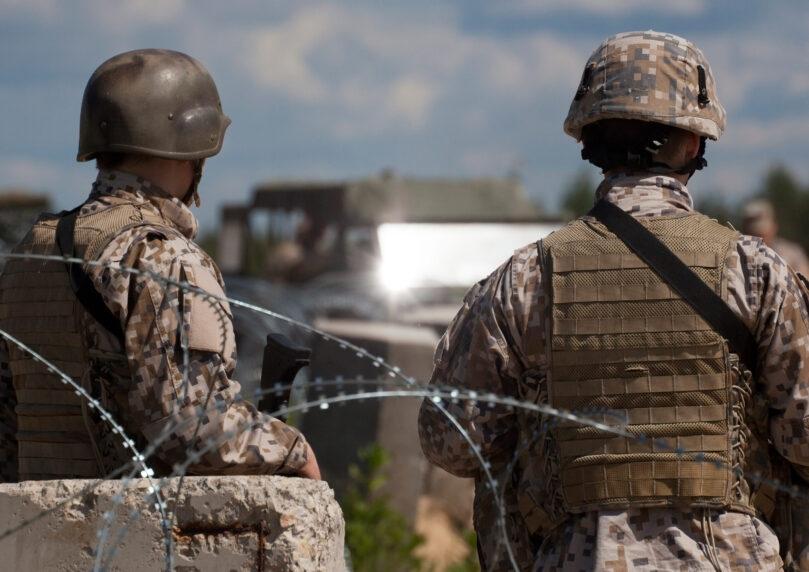

American and British military forces finalized their complete withdrawal from Iraq on Wednesday, concluding an active international combat deployment spanning more than a decade. Approximately 100 British service personnel departed Erbil in the northern Kurdistan Region in direct coordination with American forces vacating the country.
 1+
1+The departure follows a bilateral security accord concluded two years ago between Washington and the Iraqi government, which calls for the complete withdrawal of foreign combat units by the end of this month. Coalition forces have maintained a continuous presence on Iraqi soil since 2014 under the multilateral counter-terror framework that defeated ISIS (Islamic State), bringing a formal close to “Operation Inherent Resolve.” Iraqi Prime Minister Ali al-Zaidi said the termination of the coalition’s operational mandate marks “Iraq’s transition into a phase where it assumes total sovereign responsibility for its own national security and stability.” The British Ministry of Defense similarly stated that Iraqi and Kurdish security forces secured the “durable territorial defeat of Daesh (ISIS)” and are now “well-positioned to assume primary responsibility for the country’s security.”
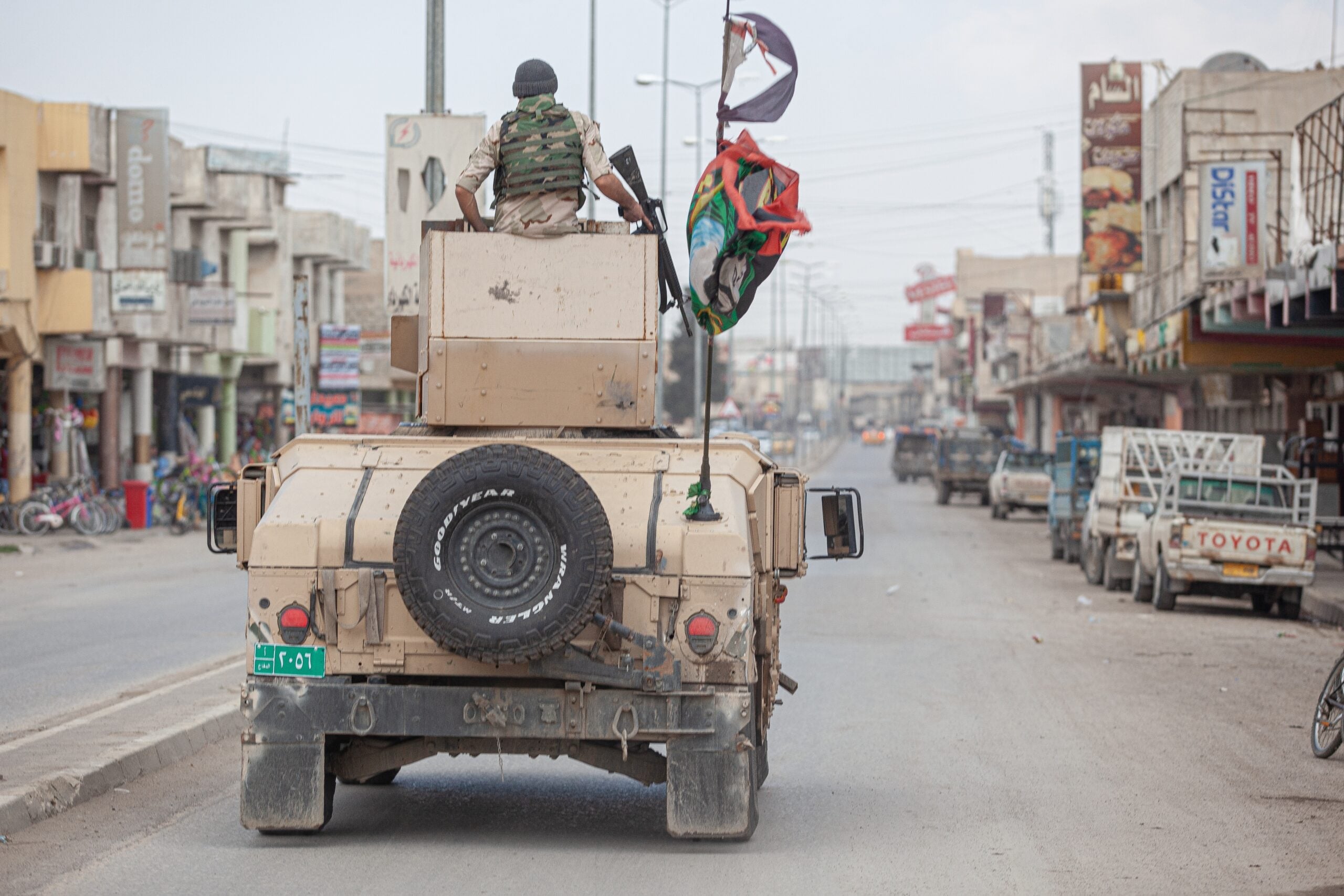
Nevertheless, Iraq confronts grave domestic and regional security challenges, led by residual ISIS sleeper networks and heavily armed Iranian-backed terror militias. While Prime Minister al-Zaidi pledged to disarm these militias and consolidate all weapons arsenals under exclusive state control, multiple powerful factions openly defied his directive and are widely anticipated to consolidate political and territorial influence in the absence of a Western military deterrent. Since the outbreak of broader regional military confrontations between the US, Israel, and Iran earlier this year, these Iranian proxies launched repeated ballistic and drone strikes against remaining American and British formations at Erbil Air Base. Royal Air Force Regiment gunners, among the last British forces deployed on site, intercepted more than 100 loitering suicide drones within the first six weeks of the conflict alone—many launched directly by Iranian-backed Iraqi terror cells.
 1+
1+The Pentagon said the United States will sustain “targeted advisory training and intelligence sharing” for its Iraqi security partners, noting that the coalition’s Combined Joint Task Force has moved its command operations to Jordan. American forces will likewise maintain ongoing counter-terror operations against ISIS cells inside neighboring Syria. Wednesday’s departure marks the third time American and British armed forces have pulled out of Iraq, following previous drawdowns in 1991 and 2011, before redeploying in 2014 to neutralize the ISIS caliphate.